Tags
aboriginal rights, aboriginal title, Bonaparte, Cache Creek 1974, Indian Status, Indigenous Peoples, Indigenous-focused grad requirement, Jeannette Corbiere-Lavell, Kelowna Accord, Native Peoples Caravan, on-reserve housing, Transformative Change Agreement
Featuring:
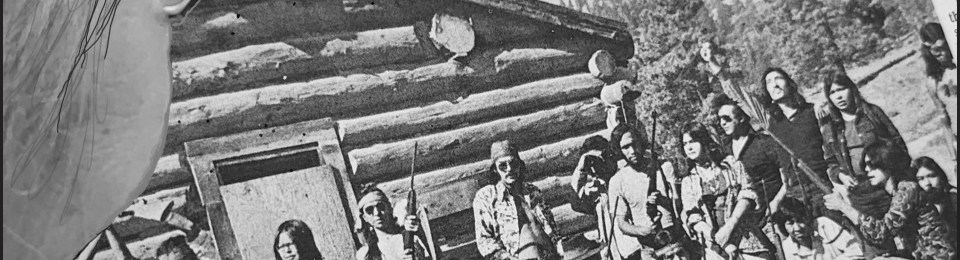
A special investigation of the 1974 blockade of Highway 12, at Bonaparte, Secwepemc.
After Elder James Morgan’s house burned down, and there was no access to funds or building materials to rebuild it, the Chief and dozens of others held down a narrow strip of the main transportation artery between Lillooet and the Interior – to levy a $5-per-traveller toll, raising funds to rebuild themselves.
With new interviews and a compilation of reports from the time, the coverage leads into a wider background for the on-reserve housing crisis. With a deep dive into on-reserve housing development since the Peoples were displaced from their usual homes.
The Native Peoples’ Caravan
The people at Cache Creek were soon joined by members of the Ojibway Warriors Society, the American Indian Movement in Canada, and allied that worked quickly together to coordinate the Native Peoples’ Caravan to Ottawa that Fall.
“Tsilhqot’in Nation v. British Columbia”
Tracking the first ever Supreme Court of Canada Declaration of Aboriginal title lands.
– Excerpts from the court rulings; Interviews with the Tsilhqot’in neighbouring nationals whose recognition of Tsilhqot’in title long predates the existence of Canada; Book review: “Lha Yudit’ih We Always Find A Way – Bringing the Tsilhqot’in Title case home” by Lorraine Weir with Chief Roger William; Maps and Timeline.
Celebrating fifty years of Native Women’s Associations
Jeannette Corbiere-Lavell joins us to discuss her legendary case to regain Indian Status after sexist provisions in the Indian Act – and being sued by the Attorney General – withdrew it.
Grandmothers Healing Journey, Honouring the Grandmothers on the Fraser River, and those who lived and died without their rights or recognition, far from their homes, in the cities. Artists reac out in an exhibition at the New Westminster gallery at the Anvil Building.
Excerpts from the Indian Act, as its amendments impacted women and children’s right to Indian Status.
BC’s Indigenous-focused graduation requirement
One year into BC’s Indigenous-focused graduation requirement: a class profile with one course in Sto:lo that thrived. “That class had the perfect combination of sxwōxwiyám – stories from long ago, and sqwélqwel – news from today.”
More:
20 years since the Kelowna Accord: why didn’t it work? Committing to “Closing the gap” in housing,
health, economies and education, felled the federal government.
The Department of Indian Affairs (Minister of the Interior), describes the conditions of landlessness and displacement that have led to today’s crises, in its first Annual Report, 1874.
The “biggest demonstration in BC history” – Indigenous march on the Victoria Legislature, June 25, 1974.
44 pages 8.5×11 black and white
Honouring the indomitable spirit of Indigenous Peoples west of the Rocky Mountains.

 The West Wasn't Won