Indian Act
Introduction
From 1841 to 1867, what are today Ontario and Quebec were “The Province of Canada” – a British colony.
There were laws “for the better protection of the lands and property of the Indians in Lower Canada,” and so on. Nova Scotia and New Brunswick were separate colonies, with treaties with the Mi’gmaq and Wolastoquey.
The 1867 British North America Act united those four colonies and established the Dominion of Canada, and constructed federal powers within a constitution.
One of the Dominion’s first Acts was the 1868 creation of the Department of the Secretary of State, transferring the duties of the British office of the Indian Commissioner to Canada.
In the transfer, Canada assumed a level of sovereignty that had only ever been claimed by Britian – but never achieved in terms of land rights and the right to govern Indigenous Peoples.
Through the accumulated Indian Act 1876, which consolidated some laws and added a lot more, Canada used its new power of legislation to unilaterally confine Indigenous Peoples to “wardship” under administration, while taking over their economic and political roles on the land.
The Indian Act provided the legislative machinery to operationalize Canada’s effective, illegal occupation of what had been “His Majesty’s Allies,” just a few years before.
Canada’s unilateral actions have been ignored, resisted, and confronted on the ground and in courts by Indigenous Peoples from coast to coast to coast.
The Canadian Constitution Act 1982 was passed as written by the Canadian government, over the objections of Indigenous Peoples, and even over the objections of many in the United Kingdom Parliament – some of whom attempted to attach an “Aboriginal Rights Commission” to the Canada Bill, to ensure the new Constitution would be subject to the investigation and repeal of the Indian Act and restoration of Peoples’ rights recognized under the International Covenant on Civil and Political Rights.
In Section 35, the constitution affirmed “existing Aboriginal and treaty rights” – but these were not defined or even identified.
To this day, the Canadian courts have taken the position that “aboriginal rights will be defined on a case-by-case basis.” Only such rights as have been defined by the courts, or defined in agreements with the government, are constitutionally protected as “existing” Aboriginal rights.
Of all the extensive civil, political, economic, social, cultural, and land rights which Indigenous Peoples possess under their own and international laws, the Government of Canada considers these “undefined aboriginal rights” and does not recognize them: not until they are defined by Canadian courts or Canadian-made agreements.
Canada recognizes the provisions of the Indian Act – while racing to replace each section of that unilateral, illegal legislation with piecemeal agreements and “accommodation legislation” that Indigenous Peoples consent to, usually in funding agreements, thereby legitimizing governance by Canada.
Today, the government’s modern approach is to continue Indian Act control of activities on reserves, which is oppressive and punitive, until such time as individual First Nations consent to be governed by Canadian law.
This is a sectoral approach to replacing the Indian Act, section by section, with Canadian legislation that is consented to by a First Nation. In British Columbia, the BC treaty process was an approach to entirely replacing the Indian Act with a Final Agreement – but it was overwhelmingly rejected – so stand-alone agreements consenting to the BC courts and to uphold the Acts of Canada’s Parliament are made to implement agreements on Land Codes, Health, Education, Governance, Taxation, Children and Families, and natural resources.
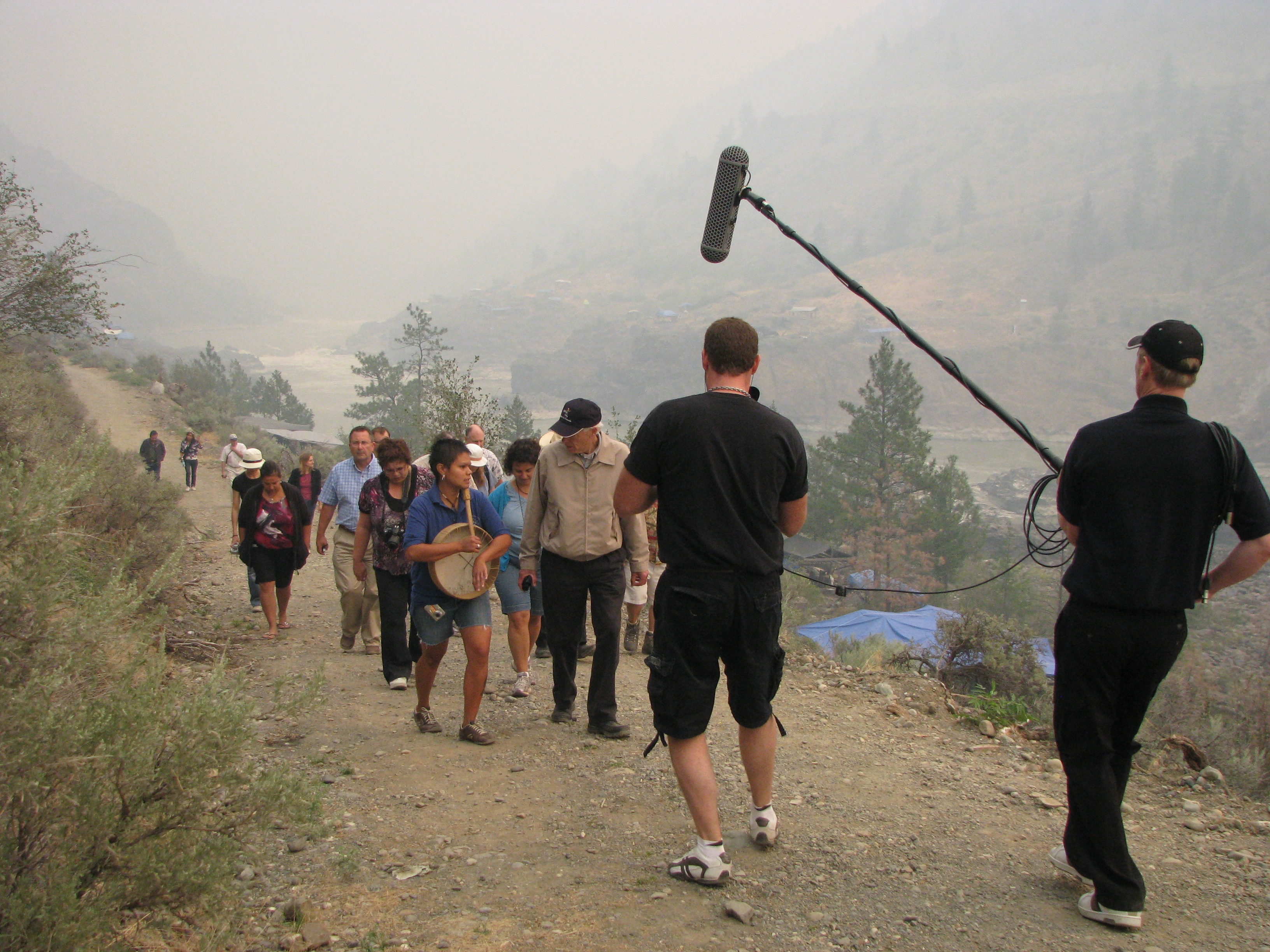
“We are not Indian Act Indians. We never were and we never will be.“
“Our communities are responsible for our fishing grounds, so if we can get that straight with the government of Canada, there will be a change.”
- Spokesperson for the St’át’imc Chiefs Council, Speaking to Commissioner Bruce Cohen of the 2010 Commission of Inquiry into the decline of Fraser River sockeye.
- Photo: at Bridge River where it enters the Fraser: Sandra Terry, Nxwisten, with Commissioner Cohen and several fisheries technicians and community leaders.
This page continues to be updated during the 150th anniversary of the Indian Act on April 12, 2026.
See Indian Reserves to augment this section
Legislation for Occupation – Acts concerning Indians
1850 An Act for making more effectual Provision for the Government of the Province of Quebec in North America,
and to make further Provision for the Government of the said Province
CAP. 42
“WHEREAS it is expedient to make better provision for preventing encroachments upon and injury to the lands appropriated to the use of the several Tribes and Bodies of Indians in Lower Canada, and for the defence of their rights and privileges:
Be it therefore enacted by the Queen’s Most Excellent Majesty, by and with the advice and consent of the Legislative Council and of the Legislative Assembly of the Province of Canada, constituted and assembled by virtue of and under the authority of an Act passed in the Parliament of the United Kingdom of Great Britain and Ireland, and intituled, An Act to re-unite the Provinces of Upper and Lower Canada [1840],
and for the Government of Canada, and it is hereby enacted by the authority of the same,
That it shall be lawful for the Governor to appoint from time to time a Commissioner of Indian Lands for Lower Canada, in whom and in whose successors by the name aforesaid, all lands or property in Lower Canada which are or shall be set apart or appropriated to or for the use of any Tribe or Body of Indians, shall be and are hereby vested, in trust for such Tribe or Body,
and who shall be held in law to be in the occupation and possession of any lands in Lower Canada actually occupied or possessed by any such Tribe or Body in common, or by any Chief or Member thereof or other party for the use or benefit of such Tribe or Body,
and shall be entitled to receive and recover the rents, issues and profits of such lands and property, and shall and may, in and by the name aforesaid, be subject to the provisions hereinafter made, exercise and defend all or any of the rights lawfully appertaining to the proprietor, possessor or occupant of such land or property:
Provided always, that this section shall extend to any lands in Lower Canada now held by the Crown in trust for or for the benefit of any such Tribe or Body of Indians, but shall not extend to any lands now vested in any Corporation or Community legally established and capable in law of suing and being sued, or in any person or persons of European descent, although held in trust for or for the benefit of any such Tribe or Body.
1850 An Act for the protection of the Indians in Upper Canada from imposition, and the property occupied or enjoyed by them from trespass and injury
CAP. 74
“WHEREAS it is expedient to make provision for the protection of the Indians in Upper Canada, who, in their intercourse with the other inhabitants thereof, are exposed to be imposed upon by the designing and unprincipled, as well as to provide more summary and effectual means for the protection of such Indians in the unmolested possession and enjoyment of the lands and other property in their use or occupation:
Be it therefore enacted by the Queen’s Most Excellent Majesty, by and with the advice and consent of the Legislative Council and of the Legislative Assembly of the Province of Canada, …
That no purchase or contract for the sale of land in Upper Canada, which may be made of or with the Indians or any of them, shall be valid unless made under the authority and with the consent of Her Majesty, Her Heirs or Successors, attested by an Instrument under the Great Seal of the Province, or under the Privy Seal of the Governor thereof for the time being.
II. And be it enacted, That if any person, without such authority and consent, shall in any manner or form, or upon any terms whatsoever, purchase or lease any lands within Upper Canada of or from the said Indians, or any of them, or make any contract with such Indians, or any of them, for or concerning the sale of any lands therein, or shall in any manner, give, sell, demise, convey or otherwise dispose of any such lands, or any interest therein, or offer so to do, or shall enter on, or take possession of, or settle on any such lands, by pretext or colour of any right or interest in the same, in consequence of any such purchase or contract made or to be made with such Indians or any of them, unless with such authority and consent as aforesaid, every such person shall, in every such case, be deemed guilty of a misdemeanor, and shall, on conviction thereof before any Court of competent jurisdiction, forfeit and pay to Her Majesty, Her Heirs or Successors, the sum of Two Hundred Pounds, and be further punished by fine and imprisonment, at the discretion of the Court.
X. …That it shall not be lawful for any person or persons other than Indians, and those who may be inter-married with Indians, to settle, reside upon or occupy any lands or roads or allowances for roads running through any lands belonging to or occupied by any portion or Tribe of Indians within Upper Canada, and that all leases, contracts and agreements made or to be made, purporting to have been or to be made, by any Indians, or by any person or persons inter-married with any Indian or Indians whereby any person or persons other than Indians shall be permitted to reside upon such lands, shall be absolutely void; and if any person or persons other than Indians, or those who may be inter-married with Indians as aforesaid, shall without the license of the said Commissioners or any or either of them, settle, reside upon or occupy any such lands, it shall be the duty of the Commissioners … to remove all such persons…
1851 An Act to repeal and in part amend an Act, entitled, An Act for the better protection of the Lands and Property of the Indians in Lower Canada, s.c. 1851, c.59.
This act adopted a definition of “Indians” without the second section “all persons intermarried with such Indians” and without including adoptions. A new section was added, permitting nonnative women who married male Indians and their descendants to be considered Indians – but not so for spouses of female Indians.
“Whereas it is expedient to designate more accurately the persons who have and shall continue to have a right of property, possession or occupation in the lands and other immoveable property belonging to or appropriated to the use of the various Tribes or Bodies of Indians residing in Lower Canada:
II. And be it declared and enacted, That for the purpose of determining what persons are entitled to hold, use or enjoy the lands and other immoveable property belonging to or appropriated to the use of the various Tribes or Bodies of Indians in Lower Canada, the following persons and classes of persons, and none other, shall be considered as Indians belonging to the Tribe or Body of Indians interested in any such lands or immoveable property:
Firstly. All persons of Indian blood, reputed to belong to the particular Tribe or Body of Indians interested in such lands or immoveable property, and their descendants:
Secondly. All persons residing among such Indians, whose parents were or are, or either of them was or is, descended on either side from Indians, or an Indian reputed to belong to the particular Tribe or Body of Indians interested in such lands or immoveable property, and the descendants of all such persons: And
Thirdly. All women, now or hereafter to be lawfully married to any of the persons included in the several classes hereinbefore designated; the children issue of such marriages, and their descendants.
1851 An Act to authorize the setting apart of Lands for the use of certain Indian Tribes in Lower Canada.
30th August, 1851. 14 & 15 Victoria – Chapter 106
“Whereas it is expedient to set apart certain Lands for the use of certain Indian Tribes resident in Lower Canada: Be it therefore enacted by the Queen’s Most Excellent Majesty, by and with the advice and consent of the Legislative Council and of the Legislative Assembly of the Province of Canada, constituted and assembled by virtue of and under the authority of an Act passed in the Parliament of the United Kingdom of Great Britain and Ireland, and intituled, An Act to re-unite the Provinces of Upper and Lower Canada, and for the Government of Canada, and it is hereby enacted by the authority of the same,
That tracts of Land in Lower Canada, not exceeding in the whole two hundred and thirty thousand Acres, may, under orders in Council to be made in that behalf, be described, surveyed and set out by the Commissioner of Crown Lands, and such tracts of Land shall be and are hereby respectively set apart and appropriated to and for the use of the several Indian Tribes in Lower Canada, for which they shall be respectively directed to be set apart in any order in Council, to be made as aforesaid, and the said tracts of Land shall accordingly, by virtue of this Act, and without any price or payment being required therefor, be vested in and managed by the Commissioner of Indian Lands for Lower Canada, under the Act passed in the Session held in the thirteenth and fourteenth years of Her Majesty’s Reign, and intituled, An Act for the better protection of the Lands and Property of the Indians in Lower Canada.
Act for the Gradual Civilization of Indian Tribes, Canada, June 10 1857

“WHEREAS it is desirable to encourage the progress of Civilization among the Indian Tribes in this Province, and the gradual removal of all legal distinctions between them and Her Majesty’s other Canadian Subjects, and to facilitate the acquisition of property and of the rights accompanying it, by such Individual Members of the said Tribes as shall be found to desire such encouragement and to have deserved it:
III. The Visiting Superintendent of each Tribe of Indians, for the time being, the Missionary to such Tribe for the time being, and such other person as the Governor shall appoint from time to time for that purpose, shall be Commissioners for examining Indians who may desire to avail themselves of this Act, and for making due inquiries concerning them: and such Commissioners …shall have full power to make such examination and inquiry: and if such Commissioners shall report in writing to the Governor that any such Indian of the male sex, and not under twenty-one years of age, is able to speak, read and write either the English or the French language readily and well, and is sufficiently advanced in the elementary branches of education and is of good moral character and free from debt, then it shall be competent to the Governor to cause notice to be given in the Official Gazette of this Province, that such Indian is enfranchised under this Act; …and all other enactments making any distinction between the legal rights and liabilities of Indians and those of Her Majesty’s other subjects, shall cease to apply to any Indian so declared to be enfranchised, who shall no longer be deemed an Indian within the meaning thereof.
VII. Every Indian enfranchised under this Act shall be entitled to have allotted to him by the Superintendent General of Indian affairs, a piece of land not exceeding fifty acres out of the lands reserved or set apart for the use of his Tribe, and also a sum of money equal to the principal of his share of the annuities and other yearly revenues receivable by or for the use of such tribe; …and such sum of money shall become the absolute property of such Indian, and such land shall become his property, subject to the provisions hereinafter made, but he shall by accepting the same forego all claim to any further share in the lands or moneys then belonging to or reserved for the use of his Tribe, and shall cease to have a voice in the proceedings thereof:…
VIII. The wife, widow, and lineal descendants of an Indian enfranchised under this Act, shall be also enfranchised by the operation thereof, and shall not be deemed members of his former tribe, unless such widow or any such lineal descendant being a female, shall marry an Indian not enfranchised and a member of such tribe, in which case she shall again belong to it and shall no longer be held to be enfranchised under this Act.
X. An Indian enfranchised under this Act, to whom any of the lands reserved for the use of his Tribe shall be allotted as aforesaid, shall have a life estate only therein, but he shall have power to dispose of the same by will to any of his children or lineal descendants, and if he dies intestate as to any such lands, the same shall descend to his children or lineal descendants according to the laws of that portion of the Province in which such lands are situate, and the said children or lineal descendants to whom such land shall be so devised or shall descend, shall have the fee simple thereof; but if such Indian die without leaving any child or lineal descendant but leaving a widow, she shall, instead of Dower to which she shall not be entitled, have the said land for life or until her re-marriage, but upon her death or re-marriage it shall escheat to the Crown: and if any child or lineal descendant of such Indian shall take such land or any part thereof and die leaving no lineal descendant and without having disposed of such land or part thereof by will or otherwise, it shall escheat to the Crown.
XIV. Lands allotted under this Act to an Indian enfranchised under it shall be liable to taxes and all other obligations and duties under the Municipal and School Laws of the section of this Province in which such land is situate, as he shall also be in respect of them and of his other property; and his estate therein shall be liable for his bona fide debts, but he shall not otherwise alienate or charge such land or his estate therein ; and if such land be legally conveyed to any person, such person or his assigns may reside thereon, whether he be or be not of Indian blood or intermarried with any Indian ; any thing in the Act first cited to the contrary notwithstanding.
1867 British North America Act
This Imperial Act of Britain constituted the Dominion of Canada, and served as Canada’s first constitution.
It created federal and provincial powers, and determined the process for more provinces to join “Canada.”
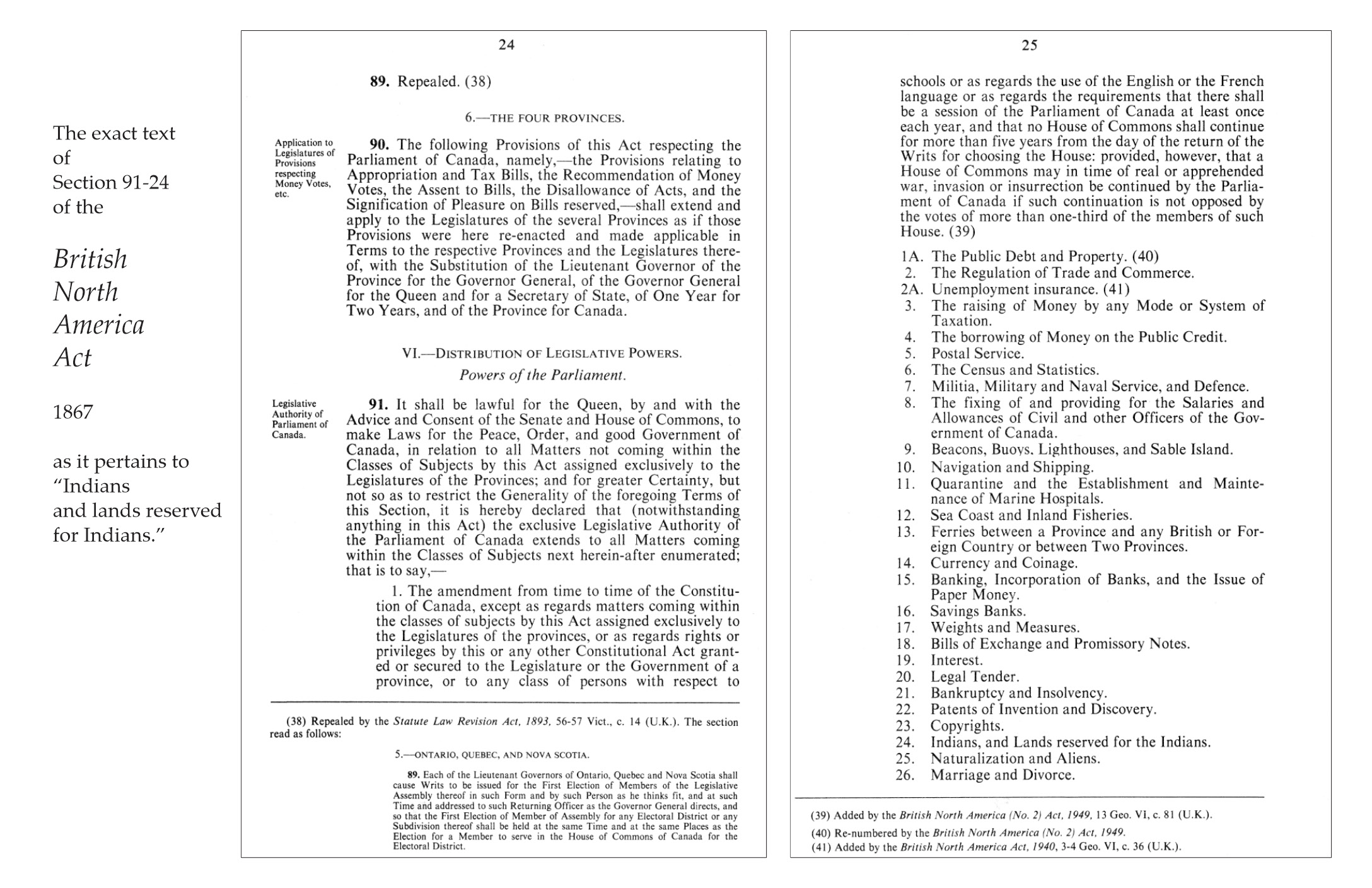
The BNA Act reserved exclusive legislative authority to address “Indians and land reserved for Indians” to the federal government – exclusive of provincial governments – in Section 91(24).
and clarified that the Interests of Provinces are subject to Other Interests – meaning here, the Indian interests:
Section 109, “All Lands, Mines, Minerals and Royalties belonging to the several provinces of Canada, Nova Scotia and New Brunswick at the Union, and all such Lands, Mines, Minerals or Royalties, shall belong to the several provinces of Ontario, Quebec, Nova Scotia and New Brunswick in which the same are situate or arise, subject to any Trusts existing in respect thereof, and to any Interests other than that of the Province in the same.”
The British monarch remained the Head of State, through the Office of the Governor General, as it continues to do today.
“Canada” 1867-1870
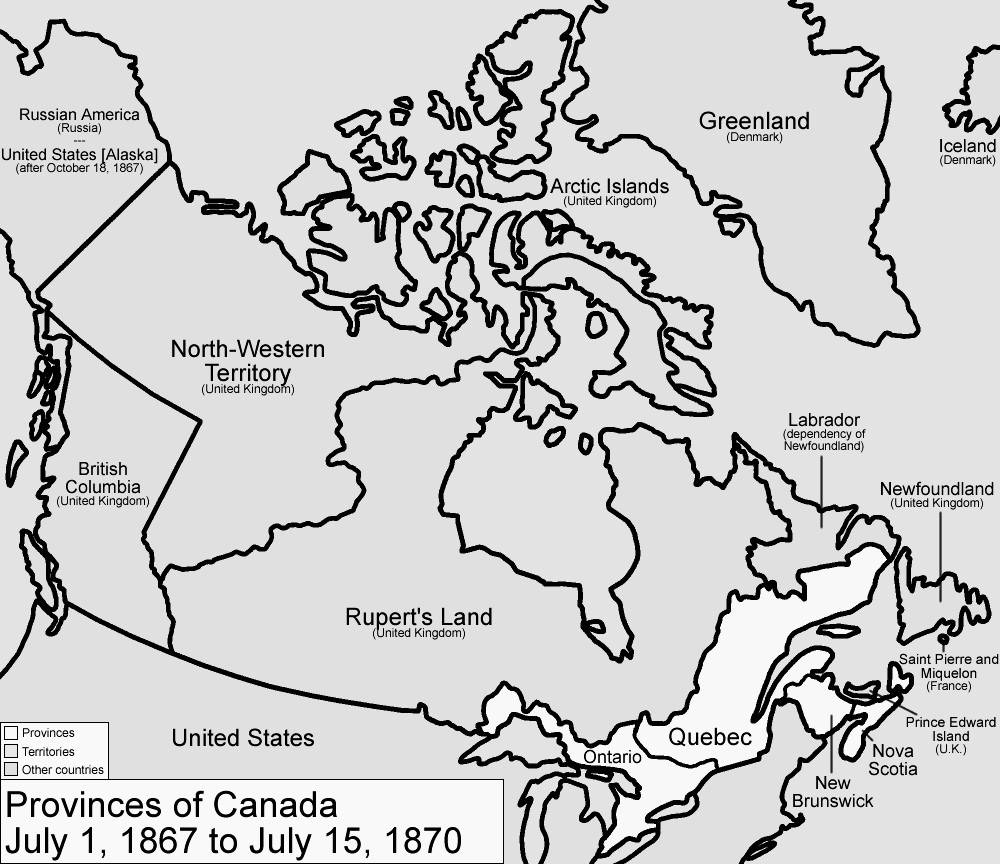
1868 Secretary of State replaces British Indian Commissioner
May 22. An Act providing for the organization of the Department of the Secretary of State of Canada, and for the management of Indian and Ordnance Lands, S.C. 1868, c. 42 (31 Vict.), s. 15.
The 1868 Act mobilized the transfer of British authority to the Dominion. At the same time, this legislation enacted that:
1. There shall be a department to be called “The Department of the Secretary of State of Canada,” over which the Secretary of State of Canada for the time being, appointed by the Governor General by commission under the Great Seal, shall preside; and the said Secretary of State shall have the management and direction of the Department, and shall hold office during pleasure.
5. The Secretary of State shall be the Superintendent General of Indian affairs, and shall as such have the control and management of the lands and property of the Indians in Canada.
15. “…provided that the following persons and none other were to be considered Indians:
Firstly. All persons of Indian blood, reputed to belong to the particular tribe, band or body of Indians interested in such lands or immoveable property, and their descendants;
Secondly. All persons residing among such Indians, whose parents where or are, or either of them was or is, descended on either side from Indians or an Indian reputed to belong to the particular tribe, band or body of Indians interested in such lands or immoveable property, and the descendants of all such persons; And
Thirdly. All women lawfully married to any of the persons included in the several classes hereinbefore designated; the children issue of such marriages, and their descendants.”
Section 15 stated that only persons who met the statutory criteria were entitled to hold, use, or enjoy lands and property belonging to or appropriated to the use of bodies of Indians, tribes, or bands.
- The fifty-seventh chapter of the Revised Statutes of Nova Scotia, Third Series, is hereby repealed, and the chief Commissioner and Deputy Commissioners under the said chapter, shall forthwith pay over all monies in their hands arising from the selling or leasing of Indian lands, or otherwise under the said chapter, to the Receiver General of Canada by whom they shall be credited to the Indian Fund of Nova Scotia;
and all such monies in the hands of the Treasurer of Nova Scotia, shall be paid over by him to the Receiver General of Canada, by whom they shall be credited to the said Indian Fund.
And all Indian lands and property now vested in the said Chief Commissioner, Deputy Commissioner, or other person whomsoever, for the use of Indians, shall henceforth be vested in the Crown and shall be under the management of the Secretary of State.
From that time forward, the Government of Canada has utilized the construct of the Status Indian in relation to the exercise of its s. 91(24) powers under the BNA Act 1867.
Enfranchisement 1869, elaborated
1869 An Act for the gradual enfranchisement of Indians, the better management of Indian affairs, and to extend the provisions of the Act 31st Victoria, Chapter 42 S.C. 1869, c. 6. (32-33 Vict.)
The 1869 Act amended the definition of Indian by adding a provision that any Indian woman marrying a non-Indian man lost her Indian identity. So too did the children of the marriage. The 1869 Act also provided that when an Indian woman married an Indian man of a different tribe or band, she ceased to be a member of her own band or tribe and became a member of her husband’s band or tribe. The children of the marriage became members of only the father’s tribe or band.
4. In the division among the members of any tribe, band, or body of Indians, of any annuity money, interest money or rents, no person of less than one-fourth Indian blood, born after the passing of this Act, shall be deemed entitled to share in any annuity, interest or rents, after a certificate to that effect is given by the Chief or Chiefs of the band or tribe in Council, and sanctioned by the Superintendent General of Indian affairs.
6. Section 15 is amended by adding the following proviso :
“Provided always that any Indian woman marrying any other than an Indian, shall cease to be an Indian within the meaning of this Act, nor shall the children issue of such marriage be Indians, not to considered as Indians within the meaning of this Act ; Provided also, that any Indian woman marrying an Indian of any other tribe, band or body shall cease to be a member of the tribe, band or body to which she formerly belonged, and become a member of the tribe, band or body of which her husband is a member, and the children, issue of this marriage, shall belong to their father’s tribe only.”
51st Victoria, Chapter 42. S.C. 1869, c. 6. (32-33 Vict.)
Note: This section was confirmed in every Indian Act until it was amended in 1985.
“Canada” after 1871
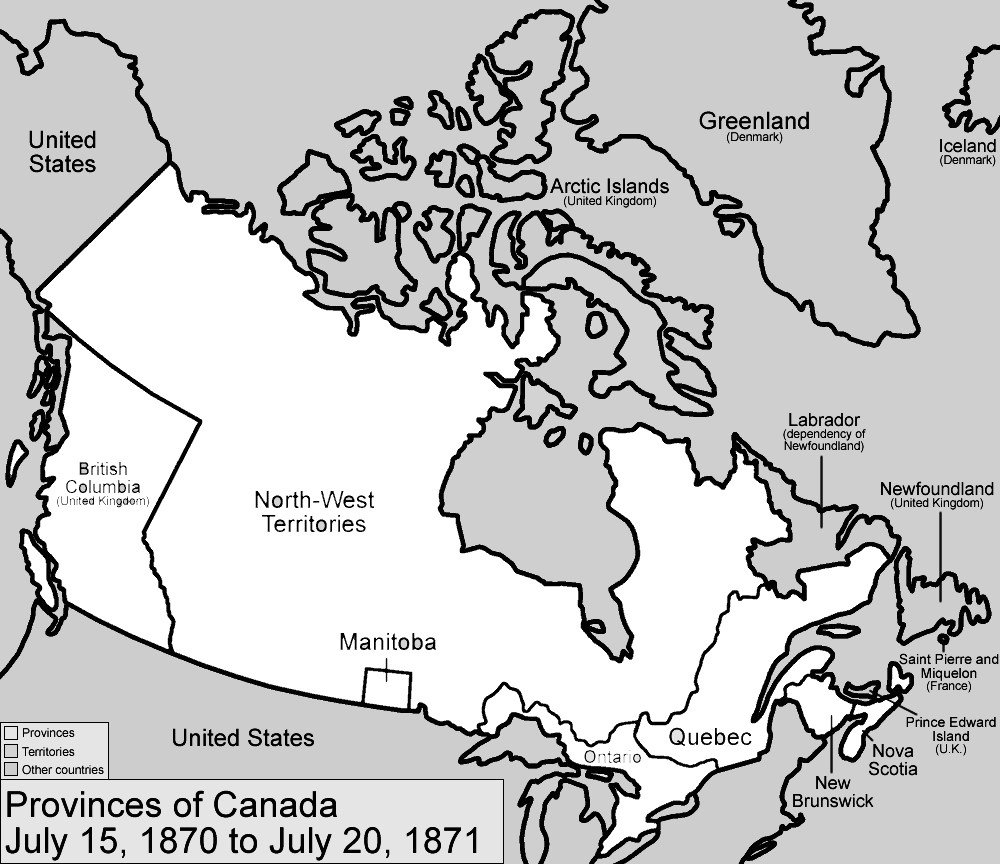
With the addition of Manitoba and the Northwest Territories in 1870, and British Columbia in 1871, “Canada” now stretched from coast to coast to coast.
New legislation regarding the non-treaty Indians in British Columbia, Manitoba, and the Inuit area called “Keewatin” was soon created.
1872 Grand Council reject legal encroachment
As quoted from the ruling of BC Supreme Court in McIvor v. The Registrar, 2007:
“In 1872, the Grand Council of Ontario and Quebec Indians (founded in 1870) sent the minister in Ottawa a strong letter that contained the following passage:
“They [the members of the Grand Council] also desire amendments to Sec. 6 of the Act of 1869 so that Indian women may have the privilege of marrying when and whom they please, without subjecting themselves to exclusion or expulsion from their tribes and the consequent loss of property and rights they may have by virtue of their being members of any particular tribe.”
(NAC RG10, Red Series, Vol. 1934, file 3541)
1873 An Act to provide for the establishment of “The Department of the Interior”
2. The Minister of the Interior shall have the control and management of the affairs of the North West Territories.
3. The Minister shall be the Superintendent General of Indian affairs, and shall, as such, have the control and management of the lands and property of the Indians in Canada.
8. The several clauses of “An Act providing for the organization of the Department of the Secretary of State of Canada, and for the management of Indian and Ordnance Lands,” relating to the management of Indian affairs and lands, and of Ordnance Lands, shall govern the Minister of the Interior.
9. The Governor in Council may, exempt from the operation of this Act, …Indians, or any tribe of them, or the Indian Lands, or any portion of them, in the North West Territories, or in the Province of Manitoba, or in the Province of British Columbia, and may again, by like proclamation, from time to time, remove such exemption.
1874 An Act to amend certain Laws respecting Indians, and to extend certain Laws relating to matters connected with Indians to the Provinces of Manitoba and British Columbia
May 26
Note: This Act came at the time of the BC Lands Act, which assumed control of all Indian lands within British Columbia.
By the Terms of Union with BC, 1871, however, the Dominion had promised in Article 13 never to follow a policy less “liberal” than that which had governed the Colony’s original mandate.
This Act contradicted those terms, and the terms of the 1763 Royal Proclamation, October, by imposing force of governance over nontreaty Peoples who were “not to be molested or disturbed.”
Excerpt:
4. It shall be lawful for any constable, without process of law, to arrest any Indian whom he may find in a state of intoxication, and to convey him to any common gaol, house of correction, lock-up or other place of confinement, there to be kept until he shall have become sober; and such Indian shall, when sober, be brought before any Judge, Stipendiary Magistrate, or Justice of the Peace, and if convicted of being so found in a state of intoxication, shall be liable to imprisonment in any common gaol [jail], house of correction, lock-up or other place of confinement, for any period not exceeding one month.
And if any Indian having been so convicted as aforesaid, shall refuse, upon examination, to state or give information of the person, place, and time from whom, where and when he procured intoxicating liquor, and if from any other Indian, then, if within his knowledge, from whom, where and when such intoxicating liquor was originally procured or received, he shall be liable to imprisonment as aforesaid for a further period not exceeding fourteen days.
9. Upon, from and after the passing of this Act, the Acts and portions of Acts hereinafter mentioned of the Parliament of Canada shall be and are hereby extended to and shall be in force in the Provinces of Manitoba and of British Columbia: and all enactments and laws theretofore in force in the said Provinces, inconsistent with the said Acts, or making any provision in any matter provided for by the said Acts, other than such as is made by the said Acts, shall be repealed on and after the passing of this Act.
1874 Petition of the Douglas Tribes
Protesting the imposition of small “postage stamp” reserves and the dispossession and settlement of traditional territories without permission or compensation.
“For many years we have been complaining of the land left us being too small. We have laid our complaints before Government officials nearest to us; they sent us to some others; so we had no redress up to the present; and we have felt like men trampled on, and are commencing to believe that the aim of the white men is to exterminate us as soon as they can, although we have always been quiet, obedient, kind and friendly to the whites.
“Discouragement and depression have come upon our people. Many of them have given up the cultivation of land, because our gardens have not been protected against the encroachment of the whites. Some of our best men have been deprived of the land they had broken and cultivated with long and hard labour, a white man enclosing it in his claim, and no compensation given. Some of our most enterprising men have lost part of their cattle, because white men had taken the place where those cattle were grazing, and no other place left but the thickly timbered land, where they die fast. Some of our people are now obliged to cut rushes along the bank of the river with their knives during winter to feed their cattle.”
See the full Petition on the Indian Reserves page of this site.
Indian Act, April 12 1876
“An act to amend and consolidate the laws respecting Indians.” – Canada
The first statute to be named “The Indian Act,” it incorporated every article of legislation concerning Indians.
But it wasn’t just a consolidation. The 1876 legislation was extended across all of Canada, and added many dozens of paragraphs prescribing rules of governance on Indian Reserves; extensive restrictions of individual and collective rights – unless individuals surrendered their Indian Status and “enfranchised” as a Canadian citizen; or as groups release their “undefined Aboriginal rights” in favour of municipal incorporation and assimilation in the body politic of Canada.
Excerpt:
“WHEREAS it is expedient to amend and consolidate the laws respecting Indians:
This Act shall be known as the “Indian Act, 1876” and shall apply to all the Provinces, and the North West Territories, including the Territory of Keewatin.
3. Terms. 1.) The term “band” means any tribe, band or body of Indians who own or are interested in a reserve or in Indian lands in common, of which the legal title is vested in the Crown, or who share alike in the distribution of any annuities or interest moneys for which the Government of Canada is responsible; the term “the band” means the band to which the context relates; and the term “band,” when action is being taken by the band as such, means the band in council.
2. The term “irregular band” means any tribe, band or body of persons of Indian blood who own no interest in any reserve or lands of which the legal title is vested in the Crown, who possess no common fund managed by the Government of Canada, or who have not had any treaty relations with the Crown.
3. The term “Indian” means
First. Any male person of Indian blood reputed to belong to a particular band.
Secondly. Any child of such person;
Thirdly. Any woman who is or was lawfully married to such a person:
a) Provided that any illegitimate child, unless having shared with the consent of the band in the distribution moneys of such band for a period exceeding two years, may, at any time, be excluded from the membership thereof by the band, if such proceeding be sanctioned by the Superintendent-General:
b) Provided that any Indian having for five years continuously resided in a foreign country shall with the sanction of the Superintendent-General, cease to be a member thereof and shall not be permitted to become again a member thereof, or of any other band, unless the consent of the band with the approval of the Superintendent-General or his agent, be first had and obtained; but this provision shall not apply to any professional man, mechanic, missionary, teacher or interpreter, while discharging his or her duty as such:
(c) Provided that any Indian woman marrying any other than an Indian or a non-treaty Indian shall cease to be an Indian in any respect within the meaning of this Act, except that she shall be entitled to share equally with the members of the band to which she formerly belonged, in the annual or semi-annual distribution of their annuities, interest moneys and rents; but this income may be commuted to her at any time at ten years’ purchase with the consent of the band:
(d) Provided that any Indian woman marrying an Indian of any other band, or a non-treaty Indian shall cease to be a member of the band to which she formerly belonged, and become a member of the band or irregular band of which her husband is a member:
(e) Provided also that no half-breed in Manitoba who has shared in the distribution of half-breed lands shall be accounted an Indian; and that no half-breed head of a family (except the widow of an Indian, or a half-breed who has already been admitted into a treaty), shall, unless under very special circumstances, to be determined by the Superintendent-General or his agent, be accounted an Indian, or entitled to be admitted into any Indian treaty.
4. The term “non-treaty Indian” means any person of Indian blood who is reputed to belong to an irregular band, or who follows the Indian mode of life, even though such person be only a temporary resident in Canada.
6. The term “reserve” means any tract or tracts of land set apart by treaty or otherwise for the use or benefit of or granted to a particular band of Indians, of which the legal title is in the Crown, but which is unsurrendered, and includes all the trees, wood, timber, soil, stone, minerals, metals, or other valuables thereon or therein.”
- The Governor in Council may order that the chiefs of any band of Indians shall be elected, as hereinbefore provided, at such time and place, as the Superintendent-General may direct, and they shall in such case be elected for a period of three years, unless deposed by the Governor for dishonesty, intemperance, immorality, or incompetency; and they may be in the proportion of one head chief and two second chiefs or councillors for every two hundred Indians;
but any such band composed of thirty Indians may have one chief:
Provided always, that all life chiefs now living shall continue as such until death or resignation, or until their removal by the Governor for dishonesty, intemperance, immorality, or incompetency.
Powers of Chiefs on reserve:
63. The chief or chiefs of any band in council may frame, subject to confirmation by the Governor in Council, rules and regulations for the following subjects, viz.:
- The care of the public health;
- The observance of order and decorum at assemblies of the Indians in general council, or on other occasions;
- The repression of intemperance and profligacy;
- The prevention of trespass by cattle;
- The maintenance of roads, bridges, ditches and fences;
- The construction and repair of school houses, council houses and other Indian public buildings;
- The establishment of pounds and the appointment of pound-keepers;
- The locating of the land in their reserves, and the establishment of a register of such locations.
70. No Indian or non-treaty Indian, resident in the province of Manitoba, the North-West Territories or the territory of Keewatin, shall be held capable of having acquired or acquiring a homestead or pre-emption right to a quarter section, or any portion of laud in any surveyed or unsurveyed lands in the said province of Manitoba, the North-West Territories or the territory of Keewatin, or the right to share in the distribution of any lands allotted to half-breeds, subject to the following exceptions:…
81. When it is proved before any judge, stipendiary magistrate or two justices of the peace that any vessel, boat, canoe or conveyance of any description upon the sea or sea coast, or upon any river, lake or stream in Canada, is employed in carrying any intoxicant, to be supplied to Indians or non-treaty Indians, such vessel, boat, canoe or conveyance so employed may be seized and declared forfeited, as in the next preceding section, and sold, and the proceeds thereof paid to Her Majesty for the purposes hereinbefore mentioned.
85. No prosecution, conviction or commitment under this Act shall be invalid on account of want of form, so long as the same is according to the true meaning of this Act.
There were over 100 articles in the first Indian Act.
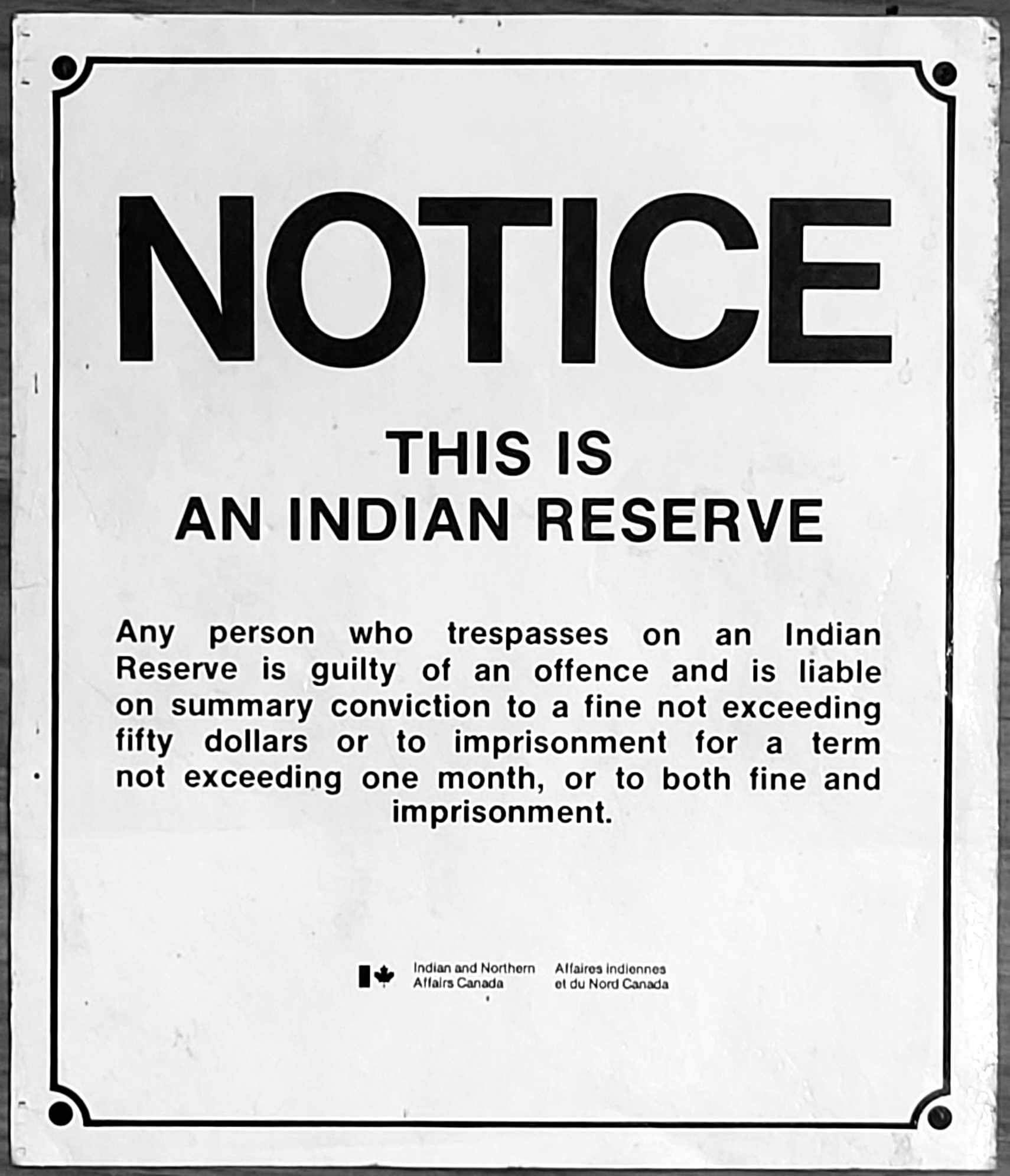
11. No person, or Indian other than an Indian of the band, shall settle, reside or hunt upon, occupy or use any land or marsh, or shall settle, reside upon or occupy any road, or allowance for roads running through any reserve …
12. The term “person” means an individual other than an Indian, unless the context clearly requires another construction.
- Indian Act 1876
1879 An Act to amend The Indian Act
[Powers of Chiefs extended]: 4. “ also for the protection of sheep”… And (9) The repression of noxious weeds; and (10) The imposition of punishment, by fine or penalty, or by imprisonment, or both, for infraction of any of such rules or regulations,—the fine or penalty in no case to exceed thirty dollars, and the imprisonment in no case to exceed thirty days.
16. If any person or Indian, other than an Indian of the band to which the reserve belongs, without the license in writing for
…cutting, carrying away, or removing therefrom any of the trees, saplings, shrubs, underwood, timber or hay thereon, or by removing any of the stone, soil, minerals, metals or other valuables, …shall, on conviction thereof …forfeit and pay the sum of twenty dollars…
1880 – The Indian Act 1880
7. …the Department of the Interior as relates to Indian Affairs, and which has hitherto been conducted in what is usually known as the “ Indian Branch” of that Department, shall fall under the management, charge and direction of the Department of Indian Affairs;…
1881 An Act to Amend The Indian Act 1880
1. The Governor in Council may make such provisions and regulations as may, from time to time, seem advisable for prohibiting or regulating the sale, barter, exchange or gift, by any band or irregular band of Indians, or by any Indian of any band or irregular band, in the North-West Territories, the Province of Manitoba, or the District of Keewatin, of any grain or root crops, or other produce grown upon any Indian Reserve in the North-West Territories, the Province of Manitoba, or the District of Keewatin;
and may further provide that such sale, barter, exchange or gift shall be absolutely null and void unless the same be made in accordance with the provisions and regulations made in that behalf. All provisions and regulations made under this Act shall be published in the Canada Gazette.
2. Any person who buys or otherwise acquires from any such Indian, or band, or irregular band of Indians, contrary to any provisions or regulations made by the Governor in Council under this Act, is guilty of an offence, and is punishable, upon summary conviction, by fine, not exceeding one hundred dollars, or by imprisonment for a period not exceeding three months, in any place of confinement other than a penitentiary, or by both fine and imprisonment.
3. If any such grain or root crops or other produce as aforesaid be unlawfully in the possession of any person, within the intent and meaning of this Act, and of any seizure of provisions or regulations made by the Governor in Council, under this Act, any person acting under the authority, either general or special, of the Superintendent General may, with such assistance in that behalf as he may think necessary, seize and take possession of the same, and he shall deal therewith as the Superintendent General or any officer or person thereunto by him authorized, may direct.
1882 An Act to further amend The Indian Act, 1880
1. The sixth sub-section of the second section of The Indian Act, 1880, is hereby amended by striking out of fourth line thereof the words “but which is unsurrendered,” and inserting in lieu thereof the words “and which remains a portion of the said Reserve. ”
3. “Wherever, in The Indian Act 1880, or in this Act, power is given to any Stipendiary Magistrate or Police Magistrate to dispose of cases of infraction of the provisions of the said Acts brought before him, any Indian Agent shall have the same power as a Stipendiary Magistrate or a Police Magistrate has in respect to such cases.
4. The seventy-eighth section is hereby amended by adding: “But in any suit between Indians no appeal shall lie from an order made by any District Magistrate, Police Magistrate, Stipendiary Magistrate or two Justices of the Peace, when the sum adjudged does not exceed ten dollars.”
Indian Act 1884 – An Act to Amend the Indian Act 1880
The infamous Potlatch Laws are added to the Indian Act, as well as criminalization of Indian protests.
Automatic enfranchisement follows university graduation or legal practice.
The law prohibited anyone from participating in, holding, or receiving gifts from these governance and spiritual proceedings.
1. Whoever induces, incites or stirs up any three or more Indians, non-treaty Indians, or half-breeds apparently acting in concert,—
(a.) To make any request or demand of any agent or servant of the Government in a riotous, disorderly or threatening manner, or in a manner calculated to cause a breach of the peace ; or—
(b.) To do an act calculated to cause a breach of the peace, –
Is guilty of a misdemeanor, and shall be liable to be imprisoned for any term not exceeding two years, with or without hard labor.
2. The Superintendent General may, when he considers it in the public interest to do so, prohibit, by public notice to that effect, the sale, gift or other disposal, to any Indian in the Province of Manitoba or in any part thereof, or in the North West Territories or in any part thereof, of any fixed ammunition or ball cartridge; …a penalty of not more than two hundred dollars, or shall be liable to imprisonment for a term of not more than six months, or to both fine and imprisonment …and every offender against the provisions of this section may be tried in a summary manner by two Justices of the Peace or by any stipendiary or other magistrate having the power of two Justices of the Peace.
3. Every Indian or other person who engages in or assists in celebrating the Indian festival known as the “Potlach,” or in the Indian dance known as the “Tamanawas” is guilty of a misdemeanor, and shall be liable to imprisonment for a term of not more than six nor less than two months in any gaol or other place of confinement; and any Indian or other person who encourages, either directly or indirectly, an Indian or Indians to get up such a festival or dance, or to celebrate the same, or who shall assist in the celebration of the same is guilty of a like offence, and shall be liable to the same punishment.
99. 4) Every Indian who is admitted to the degree of doctor of medicine, or to any other degree by any university of learning, or who is admitted in any Province to practise law … or who enters holy orders, or who is licensed by any denomination of Christians …,
ipso facto become and be enfranchised under this Act, and he shall then be entitled to all the rights and privileges to which any other member of the band to which he belongs would be entitled if he was enfranchised under the provisions of this Act ; and the Superintendent General may give him a suitable allotment of land from the lands belonging to the band…
Chief William Scow of Alert Bay, on the Potlatch Laws:
From the appendice to the 1971 Submission to the Prime Minister and Government of Canada by the Union of British Columbia
Indian Chiefs as to the Claim Based on Native Title to the Lands Now Forming British Columbia and the Waters Contained Therein or Adjacent Thereto
“When Parliament passed the Potlatch Law in 1884, there were about 17,765 Indians in the coastal region directly affected by it. The Indian population of the province was declining at the time, and it continued to decline until 1929 when it reached its lowest point – an estimated 12,366 in that part of the province. In 1938, the year that Parliament directed its attention to the potlatch issue for the last time, the population trend had just been reversed, and by 1939 the Indian population had increased to 13,303.
“The Southern Kwakiutl of the central Coast region, though only a relatively small portion of the total Indian population, provided the leaders who mobilized and sustained the opposition to the law and its enforcement. Figures for 1917 (the closest year to the first arrest in the Alert Bay trials, 1914-22, for which there are available figures) show an estimated 1,890 in the total Kwakiutl population, and by 1929, the next year for which figures are available, there were only 1,088 in the Southern group. Although the Southern Kwakiutls were the focus of the prosecutions between 1914 and 1922, the Potlatch Law controversy became, for all coastal Indians, a memorable experience.”
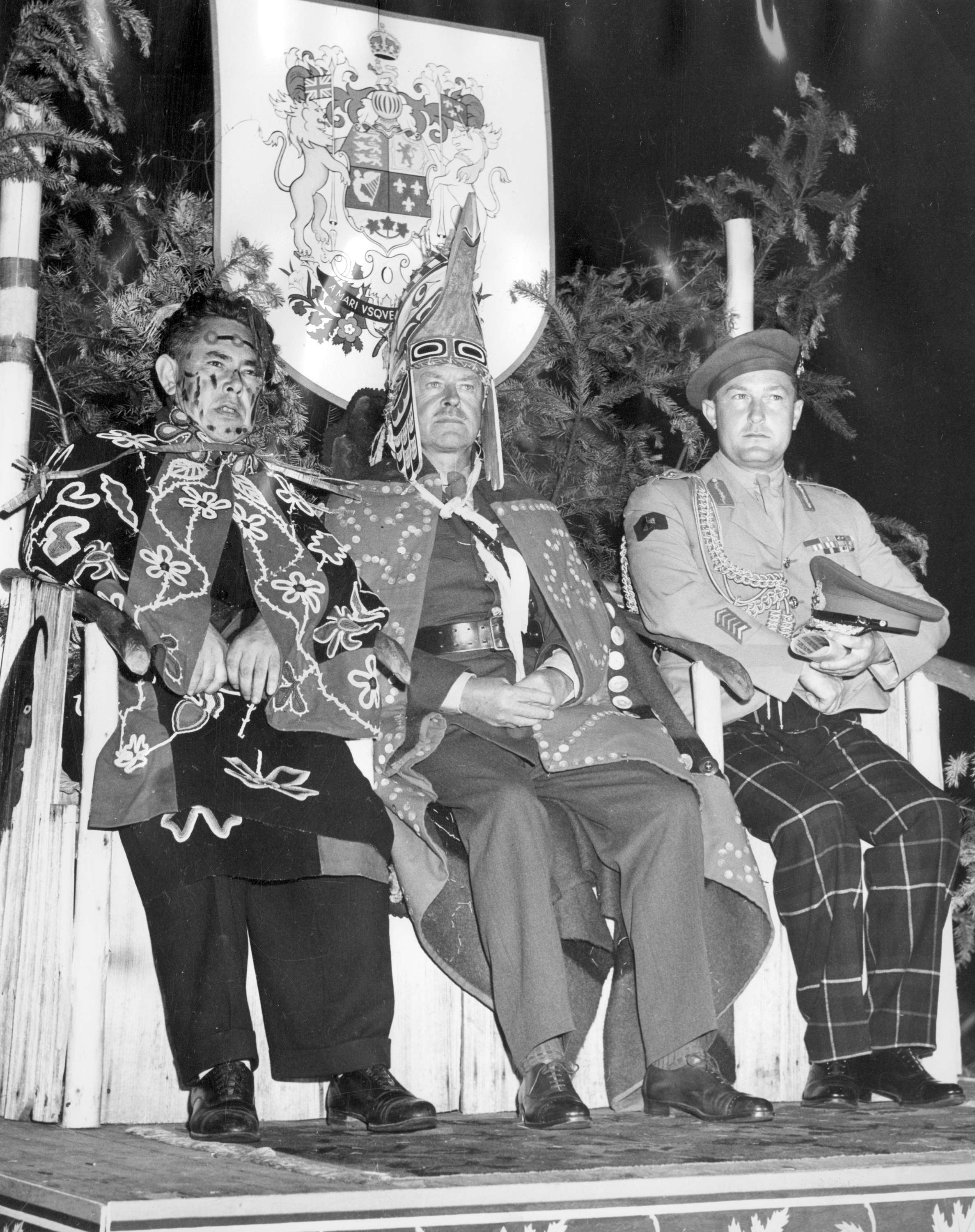
“Chief William Scow, left, with Vicount Alexander of Tunis as honourary Chief Nakapunkim and Brigadier Hoffeister at Diamond Jubilee celebration at Kitsilano Beach.” July 13,1946. City of Vancouver Archives, Major J.S. Matthews collection, Public Domain. Chief Scow was among many leaders arrested for a potlatch given in December 1921.
1884 The Indian Advancement Act
An Act for conferring certain privileges on the more advanced Bands of the Indians of Canada, with the view of training them for the exercise of municipal powers.
Note: Bands may opt to be governed by this statute, instead of the wholly imposed Indian Act.
The Advancement Act further defines the mode of governance and election on reserve, giving the elected Council additional powers.
Excerpts:
3. Whenever any band or bands of Indians shall be declared by Order of the Governor in Council to be considered fit to have this Act applied to them, it shall so apply from the time appointed in such Order, …
4. Any reserve to which this Act is to apply shall, be divided into sections,—the number of which shall be not less than two nor more than six, having in each a number of male Indians of full age, equal as nearly as may be found convenient to such proportion of the male Indians of full age resident on the reserve, as one section of the reserve will bear to all the sections; each section shall be distinguished by a number from one upwards; …
5. The agent of the Superintendent General for the reserve shall preside at the election…take and record the votes of the electors, and have full power, …to admit or reject the claim of any Indian to be an elector, and determine the councillors ,…
6. On a day, and at a place, and between hours to be designated by the Superintendent General … within eight days from the date the councillors were elected), the said councillors shall meet and elect one of their number to act as chief councillor;…
9. The council shall meet for the despatch of business, at such place on the reserve, and at such times as the agent for the reserve shall appoint, not being less than four nor more than twelve times in the year…
10. The council shall have power to make by-laws, rules and regulations… [including]:
11) The raising of money for any or all of the purposes for which the council is empowered to make by-laws, by assessment and taxation on the lands of Indians enfranchised, or in possession of lands by location ticket in the reserve…
12) The appropriation and payment to the local Agent as Treasurer by the Superintendent General of so much of the moneys of the band as may be required for defraying expenses necessary for carrying out the by-laws, including those incurred for assistance absolutely necessary for enabling the council or the agent to perform the duties assigned to them by this Act;
13) The imposition of punishment by fine or penalty or by imprisonment or both, for any infraction of or disobedience to any by-law… by any Indian of the reserve…
13. The provisions of “The Indian Act, 1880,” and of any Act amending it, shall continue to apply to any band to which this Act has been declared to apply, in so far, but in so far only, as they are not inconsistent with this Act.
1886 – The Indian Act 1886
The Indian Act now contains 141 sections.
Indian Agents are de facto police officers and have the power of two judges.
Excerpts:
75. (2) Life chiefs and councillors or headmen now living may continue to hold rank until death or resignation, or until their removal by the Governor in Council for dishonesty, intemperance, immorality or incompetency ; but in the event of the Governor in Council providing that the chief and councillors or headmen of a band shall be elected, the life chiefs and councillors or headmen shall not exercise powers as such unless elected under the provision aforesaid.
99. Any constable or peace officer may arrest without warrant any person or Indian found gambling, or drunk, or with intoxicants in his possession, on any part of a reserve, and may detain him until he can be brought before a justice of the peace, and such person or Indian shall be liable upon summary conviction to imprisonment for a term not exceeding three months or to a penalty not exceeding fifty dollars and not less than ten dollars, with costs of prosecution, half of which penalty shall belong to the informer.
The terms of the Potlatch Law are extended:
114. Every Indian or other person who engages in, or assists in celebrating or encourages either directly or indirectly another to celebrate, any Indian festival, dance or other ceremony of which the giving away or paying or giving back of money, goods or articles of any sort forms a part, or is a feature, whether such gift of money, goods or articles takes place before, at, or after the celebration of the same, and every Indian or other person who engages or assists in any celebration or dance of which the wounding or mutilation of the dead or living body of any human being or animal forms a part or is a feature, is guilty of an indictable offence and is liable to imprisonment for a term not exceeding six months and not less than two months; but nothing in this section shall be construed to prevent the holding of any agricultural show or exhibition or the giving of prizes for exhibits thereat.
117. 2) In the North-west Territories and Manitoba and British Columbia every Indian agent shall for all such purposes and with respect to any such offence be ex officio a justice of the peace and have the power and authority of two justices of the peace anywhere in the said territories or provinces, whether or not the territorial limits of his jurisdiction as a justice …extend to the place where he may have occasion to act as such justice or to exercise such power or authority, and whether the Indians charged with or in any way concerned in or affected by the offence, matter or thing to be tried, investigated or otherwise dealt with, are or are not within his ordinary jurisdiction, charge or supervision as Indian agent.
137. The Governor in Council may make regulations, either general or affecting the Indians of any province or of any named band, to secure the compulsory attendance of children at school.
(2.) Such regulations, in addition to any other provisions deemed expedient, may provide for the arrest and conveyance to school, and detention there, of truant children and of children who are prevented by their parents or guardians from attending: and such regulations may provide for the punishment, upon summary conviction, by fine or imprisonment, or both, of parents and guardians, or persons having the charge of children, who fail, refuse or neglect to cause such children to attend school.
“In the North-west Territories and Manitoba and British Columbia every Indian agent shall for all such purposes and with respect to any such offence be ex officio a justice of the peace and have the power and authority of two justices of the peace anywhere in the said territories or provinces, whether or not the territorial limits of his jurisdiction as a justice …extend to the place where he may have occasion to act as such justice or to exercise such power or authority, and whether the Indians charged with or in any way concerned in or affected by the offence, matter or thing to be tried, investigated or otherwise dealt with, are or are not within his ordinary jurisdiction, charge or supervision as Indian agent.”
- Indian Act 1886, S.117
1887 An Act to Amend The Indian Act 1880
1. The Superintendent General, may, from time to time, upon the report of an officer, or other person specially appointed by him to make an inquiry, determine who is or who is not a member of any band of Indians entitled to share in the property and annuities of the band ; and the decision of the Superintendent General in any such matter shall be final and conclusive, subject to an appeal to the Governor in Council.
2. The Superintendent General, his deputy, or other person specially authorized by the Governor in Council, shall have power, by subpoena issued by him, to summon any person before him and to examine such person under oath in respect to any matter affecting Indians, and to compel the production of papers and writings before him relating to such matters; and if any person duly summoned neglects or refuses to appear at the time and place specified in the subpoena upon such person duly served, or refuses to give evidence or to produce the papers or writings demanded of him, may, by warrant under his hand and seal, cause such person, so refusing or neglecting, to be taken into custody and to be imprisoned in the nearest common gaol, as for
contempt of court, for a period not exceeding fourteen days.
1906 – The Indian Act 1906
Now with 199 sections,
this version of the Indian Act incorporated the Advancement Act and the Soldier Settlement Act.
3. The Governor in Council may, by proclamation, from time to time, exempt from the operation of this Part, or from the operation of any one or more of the sections of this Part, Indians or non-treaty Indians, or any of them, or any band or irregular band of them, or the reserves or special reserves, or Indian lands, or any portions of them, in any province or in the Territories, or in any of them ; and may again, by proclamation, from time to time, remove such exemption. R.S., c. 43, s. 3.
The Superintendent General of Indian Affairs shall have charge of Eskimo affairs.
Powers of Chiefs, added:
- (d) The subdivision of the land in the reserve, and the distribution of the same amongst the members of the band; also, the setting apart, for common use, of land for other purposes
11. a. The Governor in Council may take the land of an Indian held under location ticket or otherwise for school purposes upon payment to such Indian of the compensation agreed upon, or in case of disagreement such compensation as may be determined in such manner as the Superintendent General may direct.
111. The Minister shall, within fifteen days after the Parliament, opening of each session of Parliament, submit to both Houses of Parliament a list of the Indians enfranchised under this Act during the previous fiscal year, and the amount of land and money granted and paid to each Indian so enfranchised.
1906 Chiefs take grievances to King Edward VII in London
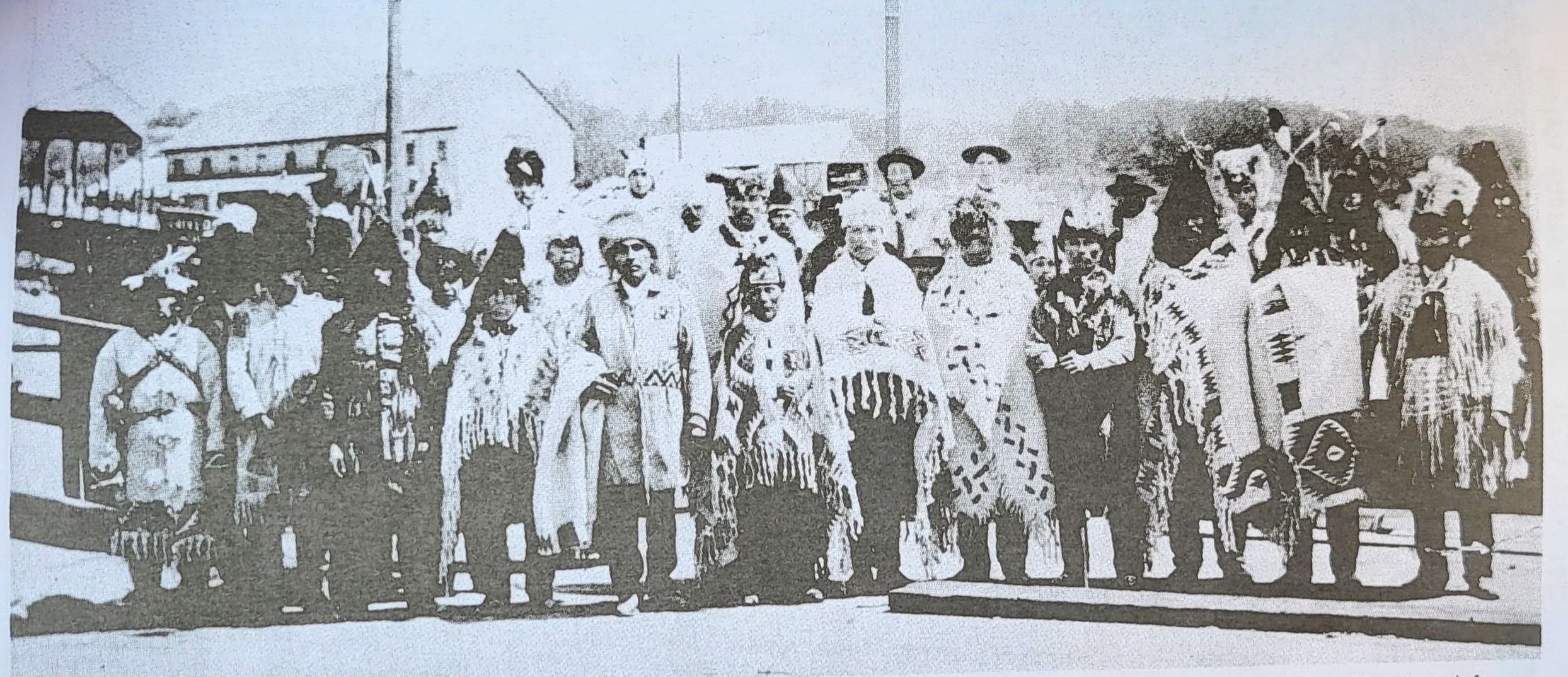
The story as told, is that Chief Capilano Joe proceeded to Buckingham Palace arrayed in formal Indian attire. He spoke of his People’s grievances to King Edward VII, who listened attentively. The Chief then asked,
“There is another matter too. The Policemen fine my people for doing wrong, and they make the Indians pay. Now what we want to know is, do you get the money?”
His Majesty replies, “Yes. I do. And thank you very much.”
In the photo: Chief Capilano Joe is leaving for London to see King Edward VII, 1906. The crowd pf people sending him off are assembled at the North Vancouver Ferry wharf. Wallace Shipyard is behind them at left, and McRae’s Sawmill. Chief Joe fifth from left, a robe on his right arm.
Image 216A from, “Conversations with Khahtsahlano 1932-1954.” The City Archivist, Vancouver, British Columbia, 1955.
1913 Indian Reserve Commission, British Columbia
Indian Reserves in BC are reviewed by a Joint Committee of the Province and Dominion: the McKenna-McBride Commission.
Chiefs testify that the effects of the Indian Act are shocking and widespread. They also testify to the province’s settlers and government violating terms of cooperation that were established by Hudson’s Bay Company Governors, including Governor Simpson; and Colonial Governors’ setting out of Indian Reserves, including at Neskonlith and Skwelkwekwelt; and Governor Seymour’s promises of a 30/30/30 split of the proceeds of development – one third to the Indians, one third to the Crown, ansd one third to be invested in infrastructure for the benefit of all residents; and abandonment of Reserve Commissioners’ promises, such as G.M. Sproat, who assured the Chiefs that nothing nor no one would ever interfere in their fishing and hunting.
Central themes are presented by all Chiefs and witnesses to the Commission:
– questioning the Commissioners on the Crown’s claim to their lands;
– objection to the original designation of the reserves, notably in the absence of most of the people – particularly the Chiefs;
– the betrayal of the original stated purpose of bringing all the people together to one settlement, for education and religious purposes, which the government later relied on as evidence that the People had abandoned other lands and villages;
– Indian Agent rule over activities and residents on the reserve;
– the idea that the People expected their original arrangements with the Queen would be upheld by the Queen’s subjects, but were not;
– the idea that the People expected to be treated equally to other subjects, but were not; – objection to the encroachment of foreign settlers on their lands, without permission or compensation;
– rejection of the ongoing sale of their lands with no notice to, consent by, or benefit to themselves;
– note of the damages to the lands carried out by newcomers;
– note of overwhelming interference in fisheries and hunting;
– the expectation of compensation and/or restoration of sold or dispossessed lands;
– shock at the realization that the government now expected all the villages and their Chiefs to live on a single reserve together;
– note of the humiliating treatment of the People by government and settlers;
– sadness and depression among the People since being confined to the reserve, dispossessed of their rights to all the other lands, and seeing the desecration of those lands;
– the failed expectation that peaceful cooperation with the new government would ensure justice;
– distrust of the underlying purpose of the Commission, and of the Commissioners’ own speeches;
– note that the People had no representation on the Commission;
– that the overall land question was before the Privy Council;
– reluctance to engage in discussion of the reserves, in case this would prejudice their legal case or be used as evidence of willing consultation and acceptance of decisions.
Also, the threatening language used by the Commissioners, attempting to coerce participation concerning the reserves, was common to most meetings.
An example from Masset, Haida Gwaii:
Massett,
September 9, 1913
The address of welcome was read by Chief Councilor A. Adams, for the Haida Nation of Queen Charlotte Islands:
“… Since the coming of our White friends, we have been Wards of the government, and the limits of our land have been drawn, giving to us an interest in six acres apiece of the many thousands over which we formerly roamed, and held against invaders.
As you are aware, each of our separate tribes had places of their own and were governed by their Chiefs. The missionaries came among us, and the government took charge of us. We were asked to centralize, to be Christianized and educated, and we came here, to Massett, and built our homes, returning, now and then, to our old homes, where we fished and where the bodies of our forefathers laid.
At the mouth of every river and stream, you will find our old camping grounds. All along the coastline are our former hunting grounds and the places where we fished, hunted and made our boats and canoes. These places are now covered by coal and timber licenses and occupied by pre-emptors. Year by year, the limits have been drawn, and we are now restricted to a small piece of land, here and there, the whole Band not having as much land as one prospector can cover with coal licenses. Where a foreigner can obtain 160 acres, we are allowed six, and we have always been British subjects since the flag of Britain was raised on our Islands.”

“If you do not wish
to testify as to the reserves, don’t run away with the idea
that the Commission is without power
to act,
because we could order witnesses
to be summoned
to give evidence
before us,
and if they refused
to come
we could arrest them, and bring them here, and when we got them before us,
if they refused
to testify, we could imprison them,
but we don’t intend
to take that course
at all.”
- Commission Chair N. W. White, at Masset, addressing the Chiefs and witnesses. 1913.
Commission Chair N. W. White, 1913. Photo from Haida Laas journal of the Haida Nation, September 2001.
1916 British Columbia Indian Conference
Excerpt from the Statement from the Conference:
“All the Indians of the Province have for many years desired that this land question should be decided, and to that end in the year 1909 sent a petition to the late King Edward VII., and his Imperial Minister, the Secretary of State for the Colonies, asking that the Imperial Government refer the land question to the Judicial Committee of His Majesty’s Privy Council.
When, by reason of refusal of British Columbia to agree to a reference, and the McKenna Agreement afterwards entered into by the Governments of Canada and British Columbia, it seemed that the door of the Judicial Committee had been closed against the Indians, the Nishga Tribe was advised that if one tribe presented a direct and independent petition to the King’s Great Court, His Majesty’s Privy Council, the door of the Judicial Committee might in that way be opened, not only for that one tribe, but for all other tribes. The Nishgas therefore decided to take the responsibility of presenting such a petition for the benefit of all the tribes.
With the approval of the Counsel for the Indian Rights Association, and after full consultation with the Government of Canada, the Petition of the Nishga Tribe was lodged in the Privy Council in May, 1913. That action was taken by the Nishgas with the earnest hope that the other tribes would unite in recognizing their petition as a test case relating to the claims of all the tribes.
After the Nishga Petition had been lodged, the London lawyers of the Nishga Tribe received from the Lord President of the Privy Council a letter stating as reason for not referring it to the Judicial Committee the supposed fact that the Royal Commission appointed under the McKenna Agreement was considering the aboriginal claims, which are the subject of the Petition. Soon afterwards the Nishgas presented to the Royal Commission a memorial in answer to which they were informed that the Commissioners were not considering , and had no power to consider these claims.
Subsequently the Nishga Petition was very fully considered at Ottawa, and as result in June, 1914, the Government passed an Order-in-Council asking that the Indian Tribes accept the findings of the Royal Commission, and agree to surrender their rights if the courts should decide that they have any, taking in place of them benefits to be granted by the Government of Canada.
The Nishga Tribe and the Interior Tribes allied with them, were unwilling to accept these conditions, but made proposals of their own, suggesting that the matter of lands to be reserved be finally dealt with by the Secretary of State for the Colonies and that the matter of fixing compensation for lands to be surrendered be dealt with by the parliament of Canada.
These counter proposals the Government of Canada rejected by Order-in-Council passed in June, 1915, mainly upon the ground that the Government was precluded by the McKenna Agreement from accepting them.
The Nishga and Interior Tribes being still unwilling to accept the Government’s terms, and believing that all or nearly all of the tribes of the Province would be unwilling to accept them, in April last sent delegations to Ottawa.”
1918-20 compulsory enfranchisement
The following from
“Indian Women and the law in Canada – Citizens Minus,”
by Kathleen Jamieson, 1978:
“The Superintendent could unilaterally commute a non-status female band member’s annuities, cutting off her last connection with her band. In discussion of the amendment, a department official stated:
“When an Indian woman marries outside the band, whether a non-treaty Indian or a white man, it is in the interests of the Department, and in her interests as well, to sever her connection wholly with the reserve and the Indian mode of life, and the purpose of this section was to enable us to commute her financial interests. The words ‘with the consent of the band’ have in many cases been effectual in preventing this severance as some bands are selfishly interested in preventing the expenditure of their funds. The refusal to consent is only actuated by stupidity because the funds are not really in any way impaired. The amendment makes in the same direction as the proposed Enfranchisement Clauses, that is it takes away the power from unprogressive bands of preventing their members from advancing to full citizenship.”
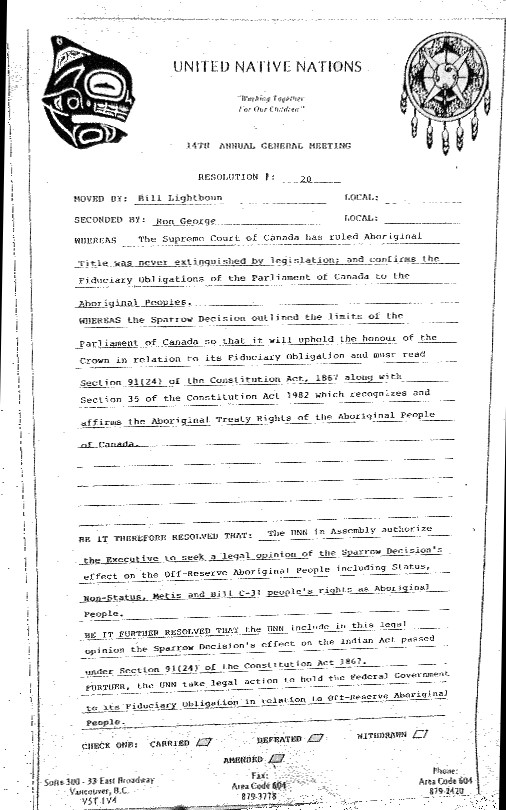
The following from the United Native Nations presentation to Standing Committee on Bill C-31, March 19, 1985, evening session, read into the record by Bill Lightbown, UNN President:
In 1918, D.C. Scott, Superintendent-General of Indian Affairs, reported only 65 families had enfranchised between Confederation and 1918. He felt this number inadequate, blaming some of the requirements imposed by the Indian Act for the failure to achieve more.
These requirements were described to the House of Commons by Prime Minister Meighen in his introduction of an amendment to simplify the procedure of enfranchisement:
“The Indian must not only be willing to surrender his interests and receive his share of the capital funds, but he must make application to be enfranchised; he must have ceased to follow the Indian mode of life, and, most important of all, he must satisfy the Superintendent-General that he is self supporting and fit to be enfranchised.
“Similar provision was made in the Act heretofore: but it was hedged around by the restraint: that before an Indian could have the privilege of enfranchisement, he had to be a landed Indian: to be in possession of a share of the landed estate of the band… This provision is to remove that restraint.”
Fear of carving up or losing their reserves altogether had led many bands to refuse their consent to enfranchisement. This obstacle was a major factor in the introduction of compulsory enfranchisement two years later. The proposed amendment became S. 122(a) with the amendment Bill of 1918.
At that time, MacKenzie King read into the record the statement of the Allied Tribes put before the Special Committee, expressing concern that compulsory enfranchisement would break up tribes and their reserves and prevent them from pursuing their Aboriginal Rights Claims, and “…forcibly separate from the Tribes by enfranchisement any Indian who takes an independent stand or is active against the autocratic decrees of the Indian Department or its agents.”
Scott confided as much in a memorandum to Meighen: “It would also check the intrigues of smart Indians on the reserves, who are forming organizations to foster these aboriginal feelings, and to thwart the efforts and policy of the Department.”
He gave Mr. F.O. Lofts of the Six Nations as an example: “Such a man should be enfranchised.”
1920 – Indian Residential School compulsory
It is now a criminal act, punishable by jail time, for Indigenous people not to send their children to Indian Residential School.
In the same suite of amendments, the Minister of Immigration and Indian Affairs, Duncan Campbell-Scott, passed a paragraph which enabled the Minister to unilaterally enfranchise individuals who were known to be political leaders in Indigenous communities. Enfranchisement would make these people Non-Status Indians, and therefore liable for charges of trespass if they visited and Indian Reserve. This amendment lasted only until 1921, but it was in relation to this amendment that Campbell-Scott famously said:
“I want to get rid of the Indian problem. Our object is to continue until there is not a single Indian in Canada that has not been absorbed into the body politic, and there is no Indian question, and no Indian department, that is the whole object of this Bill.”
As for the enforcement of attendance at Residential Schools (which was decriminalized in 1951, but remained in effect until a Private Member’s Bill in Parliament removed it in 2014), 75 years later, Scott’s later reflection on the “schools” was quoted in the 1996 report of the Royal Commission on Aboriginal Affairs:
“It is quite within the mark to say that fifty percent of the children who passed through these schools did not live to benefit from the education which they had received therein.”
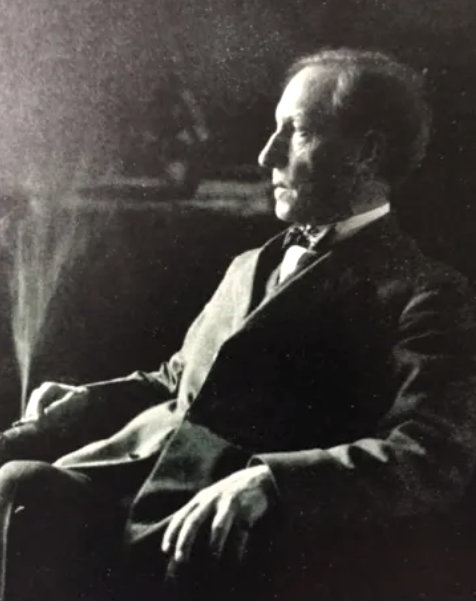
“I want to get rid of the Indian problem. …until there is …no Indian question,
and no Indian department”
- D.C. Scott, 1920.
Duncan Campbell Scott
joined Canada’s Civil Service
at the age of 17, in 1879.
He started in the Department of Indian Affairs and spent the next 52 years there.
Scott was Superintendent of Indian Affairs for two decades.
1921 DIA memo – Re. Indian Dances
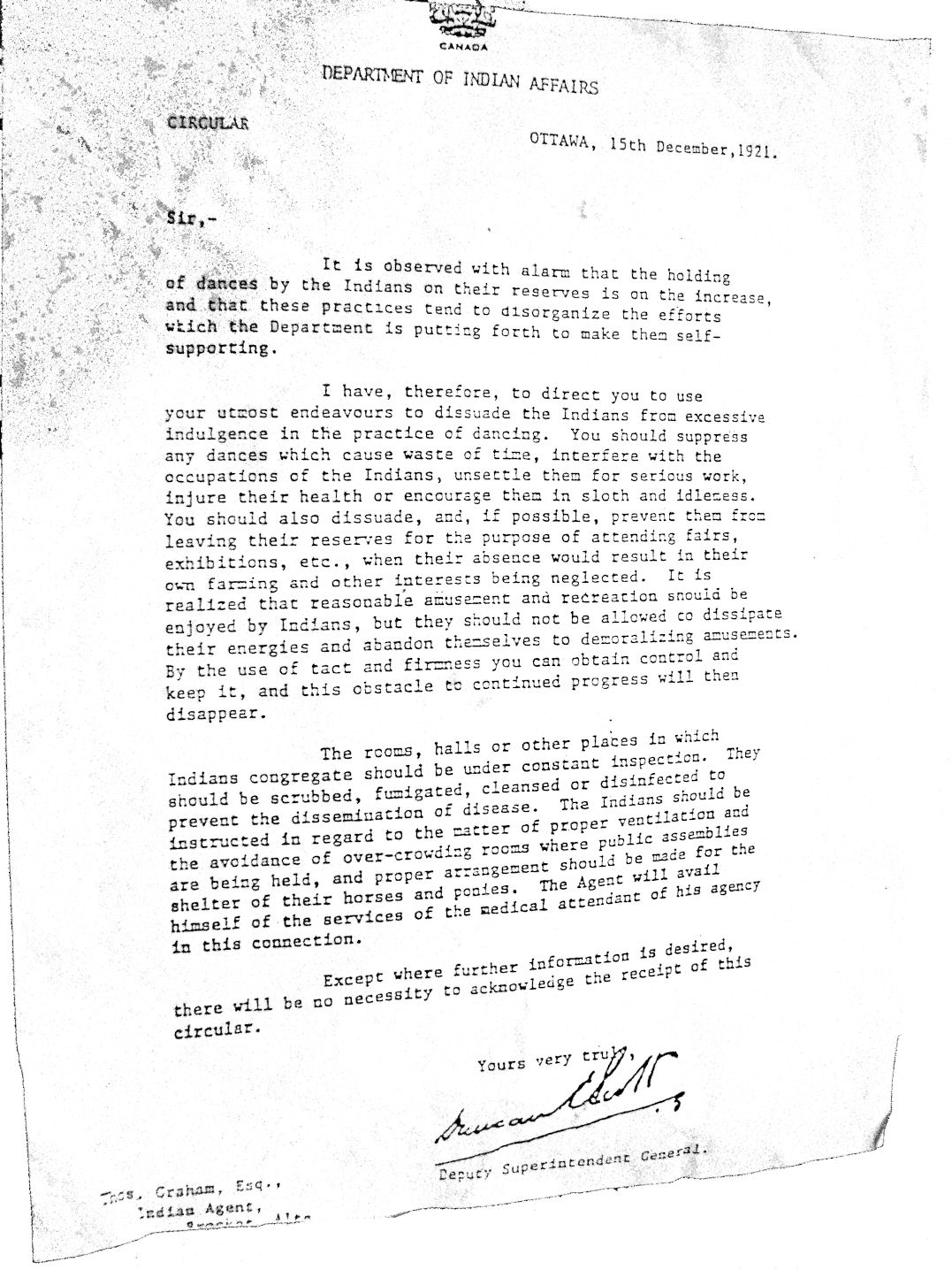
“The department is confronted with
serious problems in the slow process of weaning the Indian from his primitive state…
It may seem arbitrary on our part to interfere with the native culture.
The position of our department, however, can be readily understood:
Indians will spend a fortnight preparing for a Sundance, another fortnight
engaging in it, and another fortnight to get over it.
Obviously, this plays havoc with summer
ploughing.”
- Report by D.C. Scott, 1931
From Kathleen Jamieson, “Indian Women and the Law in Canada,” 1978, referencing “The Rebirth of Canada’s Indians,” by Harold Cardinal, 1977.
1924 Allied Tribes Petition to Parliament
In 1924, every community and tribal nation adhered to a petition to Parliament to fight adoption of the McKenna-McBride BC “Indian Reserve Commission” report.
That petition continued half a century of an Indigenous defense movement which included delegations to Ottawa and England, Declarations of outright ownership, Notices of dispute, addresses to the Privy Council court; meetings where hundreds of chiefs attended at Fort Rupert, Kamloops, Vancouver, Hope, Spences Bridge, and New Westminster.
And in 1924, with supreme indifference, Canada legislated the disputed Indian Reserve land boundaries as made by its own Commission.
The Allied Tribes petitioned Parliament, again, to correct the travesty of the Reserve Commission and demand an honourable, impartial tribunal to hear the land problem and address the injustice.
The Petition of the Allied Indian Tribes of British Columbia humbly showeth as follows:
- This Petition is presented on behalf of the Allied Indian Tribes of British Columbia by Peter R. Kelly, Chairman duly authorized by resolution unanimously adopted by the Executive Committee of Allied Tribes on 19th December, 1925.
- When British Columbia entered Confederation Section 109 of the British North America Act was made applicable to all public lands with certain specific exceptions. By virtue of the application of this Section it was enacted that the public lands belonging to the Colony of British Columbia should belong to the new Province. By virtue of the application of the same Section as explained by the Minister of Justice in January, 1875, all territorial land rights claimed by the Indian Tribes of the Province were preserved and it was enacted that such rights should be an “interest” in the public lands of the Province. The Indian Tribes of British Columbia claim actual beneficial ownership of their territories, but do not claim absolute ownership in the sense of ownership excluding the title of the Crown. It is recognized by the Allied Tribes that there is in respect of all the public lands of the Province an underlying title of the Crown, which title at least for the present purposes it is not ‘thought necessary to define.’
- In order to make clear what is meant by an “interest” the Petitioners quote the following words of Lord Watson to be found in the Indian Claims Case—L.R. 1897 A.C. at page 210: ‘An interest other than that of the Province in the same appears to denote some right or interest in a third party independent of, or capable of being vindicated in competition with, the beneficial interest of the old Province.’
- The position taken by the Allied Tribes was placed before Parliament by means of Petition presented to the House of Commons on 23rd March, 1920 and read in the House of Commons and recorded on 26th March, 1920 (Hansard, p. 825) and Petition presented to the Senate on 9th June, 1920, to all contents of which two Petitions the Petitioners beg leave to refer.
- In the month of August, 1910, Sir Wilfrid Laurier, having been advised by the Department of Justice that the Indian land controversy should be judicially decided, met the Indian Tribes of Northern British Columbia at Prince Rupert and speaking on behalf of Canada said — “I think the only way to settle this question that you have agitated for years is by a decision of the Judicial Committee, and I will take steps to help you.”
- By agreement which was entered into by the late Mr. J. A. J. McKenna Special Commissioner on behalf of the Dominion of Canada and the late Premier Sir Richard McBride on behalf of the Province of British Columbia in the month of September, 1912, and before the end of that year adopted by both Governments, it was stipulated that by means of a Joint Commission to be appointed, lands should be added to Indian Reserves and lands should be cut off from Indian reserves. By that agreement it was provided that the carrying out of its stipulations should be a “final settlement of all matters relating to Indian affairs in the Province of British Columbia.”
- On the 30th day of June, 1916, the Royal Commission on Indian Affairs for the Province of British Columbia appointed in pursuance of the agreement above mentioned issued Report which was placed in the hands of both Governments.
- In the month of September, 1916, the Duke of Connaught, acting as His Majesty’s Representative in Canada and in response to a letter which had been addressed to him on behalf of the Nishga Tribes and the Interior Tribes, gave assurances communicated by His Secretary to the General Counsel of the Allied Tribes in the following words:
“His Royal Highness has interviewed the Honourable Dr. Roche with reference to your letter of the 29th May and your interview with me and I am commanded by His Royal Highness to state that he considers it is the duty of the Nishga Tribe of Indians to await the decision of the Commission, after which, if they do not agree to the conditions set forth by that Commission, they can appeal to the Privy Council in England where their case will have every consideration. As their contentions will be duly considered by the Privy Council in the event of the Indians being dis-satisfied with the decision of the Commission, His Royal Highness is not prepared to interfere in the matter at present and he hopes that you will advise the Indians to await the decision of the Commission.” - The Allied Tribes have always been and still are unwilling to be bound by the agreement above mentioned and have always been and still are unwilling to accept as final settlement the findings contained in the Report of the Royal Commission.
- In the year 1920 the Parliament of Canada enacted the law known as Bill 13 being Chapter 51 of the Statutes of that year authorizing the Governor-General in Council to carry out the agreement above mentioned by adopting the Report of the Royal Commission. From the preamble and the enacting words the professed purpose of the Bill appeared to be that of effecting settlement by actually adjusting all matters.
- In course of debate regarding Bill 13 held in the Senate of 2nd June, 1920, Sir James Lougheed, leader of the then Government in the Senate, answering remarks of Senator Bostock by which was expressed the fear that if the Bill should become law the Indians might “entirely be put out of Court and be unable to proceed on any question of title,” gave the following assurance (Debates of Senate—1920, p. 475 col. 2):
“I might say further, honourable gentlemen, that we do not propose to exclude the claims of Indians. It will be manifest to every honourable gentleman that if the Indians have claim- anterior to Confederation or anterior to the creation of the two Crown Colonies in the Province of British Columbia- they could be adjusted or settled by the Imperial Authorities. Those claims are still valid. If the claim be a valid one which is being advanced by this gentleman and those associated with him as to the Indian Tribes of British Columbia being entitled to the whole of the lands of British Columbia this Government cannot disturb that claim. That claim can still be asserted in the future.” - Upon occasion of interview had with the Executive Committee of Allied Tribes at Vancouver on 27th July, 1923, the Minister of Interior speaking on behalf of the Government of Canada conceded that the allied Tribes are entitled to secure judicial decision of the Indian land controversy and gave assurance that the Dominion of Canada would help them in securing such decision.
- By Order-in-Council passed in the month of August, 1923, the Government of the Province of British Columbia adopted the Report of the Royal Commission.
- By Memorandum which was presented to the Government of Canada on 29th February, 1924, the Allied Tribes opposed the passing of Order-in-Council of the Government of Canada adopting the Report of the Royal Commission upon the ground, among other grounds, that no matter whatever relating to Indian affairs in British Columbia having been fully adjusted and important matters such as foreshore rights, fishing rights and water rights not having been to any extent adjusted, the professed purpose of the Agreement and the Act had not been accomplished.
- By Order-in-Council passed 19th July, 1924, the Government of Canada, acting under Chapter 51 of the Statutes of the year 1920 and upon recommendation of the Minister of the Interior adopted the Report of the Royal Commission.
- From the Memorandum issued by the Deputy Minister of Justice on 29th February, answering questions which had been submitted by the Allied Tribes to the Government of Canada, the Order-in-Council passed on 19th July, 1924, and the Memorandum issued by the Deputy Minister of Indian Affairs on 9th August, 1924, it clearly appears as is submitted that both the Department of Justice and the Department of Indian Affairs regard the Statute Chapter 51 of the year 1920 as intended, not for bringing about an actual adjustment of all matters relating to Indian affairs, but for the purpose of bringing about a legislative adjustment of all such matters and thus effecting final settlement under the laws of Canada without the concurrence or consent of the Indian Tribes of British Columbia.
- The Allied Tribes submit that, so far as Section 2 being the main enactment of Chapter 51 may be interpreted as being intended for accomplishing the purpose above mentioned and thus bringing to an end all aboriginal rights claimed by the Indian Tribes of British Columbia, that enactment is in conflict with the provisions of the British North America Act.
- On the 15th January, 1925, the Executive Committee of the Allied Tribes unanimously adopted the following resolution:
“In view of the fact that the two Governments have passed Orders-in-Council confirming the Report of the Royal Commission on Indian Affairs, we the Executive Committee of the Allied Tribes of British Columbia are more than ever determined to take such action as may be necessary in order that the Indian Tribes of British Columbia may receive justice and are furthermore determined to establish the rights claimed by them by a judicial decision of His Majesty’s Privy Council.”
Note that:
The Allied Tribes’ progress to the Privy Council was stonewalled by the politicians, who refused to constitute a proper hearing of the legal action.
The “Claims of the Allied Indian Tribes of British Columbia” instead became the subject of an Inquiry by Canada’s Senate and House of Commons, at the end of 1926. The Committee, which included Duncan C. Scott, dismissed the Claims.
Parliament followed up the Claims Inquiry by amending the Indian Act to prohibit gatherings to discuss the land issue, and prohibit lawyers from representing “any claim” for the legal benefit of the Indians.
After dismissing them, Canada budgeted $100,000 annually for the Indians of BC, “in lieu of treaties.”
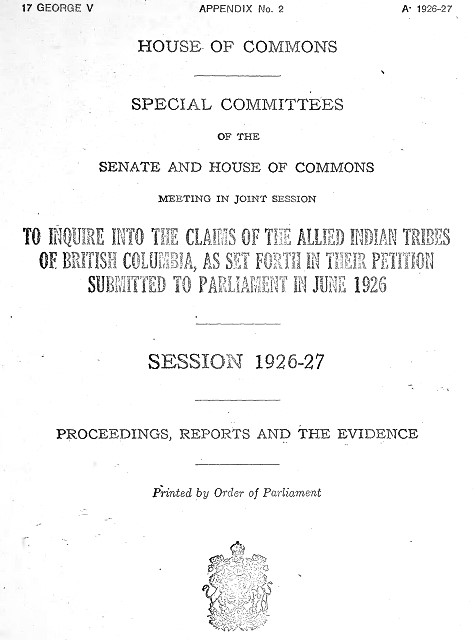
1927 An Act to amend the Indian Act
This Indian Act Amendment was released concurrent with the above Report of the Committee on the Claims of the Allied Indian Tribes of British Columbia.
The suspension of access to justice, by prohibition of lawyers working for Indians, was a response to the Claims which were denied by the Judicial Committee:
141. Every person who, without the consent of the Superintendent General expressed in writing, receives, obtains, solicits or requests from any Indian payment or contribution or promise of any payment or contribution for the purpose of raising a fund or providing money for the prosecution of any claim which the tribe or band of Indians to which such Indian belongs, or of which he is a member, has or is represented to have for the recovery of any claim or money for the benefit of said tribe or band, shall be guilty of an offence and liable upon summary conviction for each such offense to a penalty not exceeding two hundred dollars and not less than fifty dollars or to imprisonment for any term not exceeding two months.
With amendments this year following the Allied Tribes’ submissions on their Land Claims to a Joint Committee in Ottawa, the Indian Act was amended at the same time as the Committee’s report dismissed the claims and allocated $100,000 annually to “the Indian Tribes of BC” in lieu of treaties.
New amendments prohibited lawyers from working for Indigenous clients to “advance their cause.” Other amendments forbade gathering in groups of more than three; curfews; confinement to Reserves without official permission in the form of travel passes, and more; gathering to discuss the Land Question; and more.
These stayed in effect until 1951.
Further excerpts from the 1927 Act to amend:
9. 4) The Superintendent General shall have power to make regulations prescribing a standard for the buildings, equipment, teaching and discipline of and in all schools, and for the inspection of such schools.
5.) The chief and council of any band that has children in a school shall have the right to inspect such school at such reasonable times as may be agreed upon by the Indian agent and the principal of the school.
10. 1) Every Indian child between the full ages of seven and sixteen years who is physically able shall attend such day, industrial or boarding school as may be designated by the Superintendent General for the full periods during which such school is open each year; provided that where it has been made to appear to the satisfaction of the Superintendent General that it would be detrimental to any particular Indian child to have it discharged from school on attaining the full age of sixteen years, the Superintendent General may direct that such child be detained at school for such further period as may seem to be advisable, but not beyond the full age of eighteen years, and in such case the provisions of this section with respect to truancy shall apply to such child and its parents, guardians or persons with whom such child resides during such further period of school attendance.
10. 4) Any parent, guardian or person with whom an Indian child is residing who fails to cause such child to attend school as required by this section after having received three days’ notice shall, on the complaint of the truant officer, be liable on summary conviction before a justice of the peace or Indian agent to a fine of not more than two dollars and costs, or imprisonment for a period not exceeding ten days or both, and such child may be arrested without a warrant and conveyed to school by the truant officer.
42 A. 1) The Governor in Council may make regulations to prohibit and control the buying or otherwise acquiring from any Indian, non-treaty Indian or band or irregular band of Indians any wild animal or the skin or other part of such animal. Without restricting the generality of the foregoing the regulations may prescribe:—
(a) that the Superintendent General or Agent acting on his behalf may issue permits to buy or otherwise acquire any wild animal or parts thereof as aforesaid and may fix the terms upon which such permits may be issued;
(b) that a fine not exceeding five hundred dollars or imprisonment for a term not exceeding six months or both fine and imprisonment may be imposed for any violation of such regulations.
44. No official or employee connected with the inside or outside service of the Department, and no missionary in the employ of any religious denomination, or otherwise employed in mission work among Indians, and no school teacher on an Indian reserve, shall, without the special license in writing of the Superintendent General, trade with any Indian, or sell to him directly or indirectly, any goods or supplies, cattle or other animals.
48. No portion of any reserve shall be taken for the purpose of any railway, road, public work, or work designed for any public utility without the consent of the Governor in Council, but any company or municipal or local authority having statutory power, either Dominion or provincial, for taking or using lands or any interest in lands without the consent of the owner may, with the consent of the Governor in Council as aforesaid, and subject to the terms and conditions imposed by such consent, exercise such statutory power with respect to any reserve or portion of a reserve.
(2.) In any such case compensation shall be made for to the Indians of the band…
(3.) The Superintendent General shall, in any case in which an arbitration is had, name the arbitrator on behalf of the Indians, and shall act for them in any matter relating to the settlement of compensation.
(4.) The amount awarded in any case shall be paid to the Minister of Finance for the use of the band…
50. 2) The Governor in Council may make regulations enabling the Superintendent General without surrender to issue leases for surface rights on Indian reserve,
52. In the case of an Indian reserve which adjoins or is situated wholly or partly within an incorporated town or city having a population of not less than eight thousand, and which reserve has not been released or surrendered by the Indians, the Governor in Council may, upon the recommendation of the Superintendent General, refer to the judge of the Exchequer Court of Canada for inquiry and report the question as to whether it is expedient, having regard to the interest of the public and of the Indians of the band for whose use the reserve is held, that the Indians should be removed from the reserve or any part of it.
1946-47 Consultations by the Joint Committee
The Special Joint Committee held hearings through 1946. The Native Brotherhood of BC participated, and Guy Williams testified that, “the Indian is a displaced person. He is not free… he is segregated.” NBBC launched The Native Voice newspaper to promote their proposals. … The Committee recommended, “with few exceptions, all sections of the Act be either repealed, or amended.” .. Instead, the 1951 Indian Act was expanded only prohibitions on hiring lawyers were lifted.
From, “Citizens Minus – Indian women and the law in Canada,” p57: (See full doc below, in “Women and the Indian Act”.)
“Bands and organizations gave testimony to the Joint Committee in 1946 and 1947. Most of these groups emphasized that decisions as to membership of the band should be the decision of the band and that involuntary enfranchisement should be abolished. The North American Indian Brotherhood, the Indian Association of Alberta, the Native Brotherhood of British Columbia, and the Union of Saskatchewan Indians all made strong statements on this. This was considered a major breakthrough. Indians after all had not been consulted before as to their wishes.
“Some groups, the Caughnawaga Indians and the St. Regis Indians for example, called for the complete abolition of the Act. The Native Brotherhood of B.C. stated that women who had their status through marriage and who were deserted or widowed should be allowed to rejoin their band with their children.”
Special Joint Committee Report 1948
After two years hearing testimony on the Indian Act,
“Many anachronisms, anomalies, contradictions, and divergences were found in the Act …Your Committee deems it advisable that, with few exceptions, all sections of the Act be either repealed, or amended …
“All proposed revisions are deigned to make possible the gradual transition of Indians from wardship to citizenship and to help them advance themselves…”
The Committee recommended provisions to protect the Indian from injustice and for greater responsibility and self-government for the Peoples impacted by the Indian Act. They recommended financial aid for Band Councils; Indian reserves be incorporated as municipalities; and the Indian Act be brought into line with the Criminal Code.
In its introduction, the Committee cited the Native Indian population of Canada as 140,000.
The government’s problems with enumerating Indigenous individuals came into sharp relief with a review of the 1981 Census, described further below.
Minutes of Proceedings and Evidence of the Special Joint Committee, 1948
1950 Bill 267 is presented as the new Indian Act.
It is denounced across the country for producing only cosmetic changes in favour of Indians, and a major consolidation of government power and efficiency in its program of assimilation.
The Bill was passed in Parliament. But within a day it was withdrawn due to outcry at the failure to make any progress towards justice. The government announced it would engage in a process of redrafting, with Native organizations, but the scope of participation was limited to line-by-line discussion, and no substantive change was introduced in the legislation, which was passed in 1951 as Bill 79, below.
Indian Act 1951 – provincial laws of general application and Canadian citizenship
The DIA was moved under the Department of Citizenship and Immigration. With this, Indians were retroactively made Canadian citizens:
3. (1) This Act shall be administered by the Minister of Citizenship and Immigration, who shall be the superintendent general of Indian affairs.
In s. 2 (1.)g. [an Indian is] “a person who pursuant to this Act is registered as an Indian or is entitled to be registered as an Indian”.
This changed from “persons” being distinguished from Indians in earlier Indian Acts.
The 1951 Act created the modern Indian Register
in which the name of everyone registered as an Indian was recorded. It also created the position of the Registrar, an officer of the Crown who was in charge of the Indian Register, who determined entitlement to be registered. The Indian Register consisted of Band Lists and General Lists. Those persons who were members of bands and entitled to be registered as an Indian were entered in the Band List for that band.
Many people did not fit the Indian Act criteria to be a band member. The 1951 Act created a “General List” of people with Indian Status who had no Band affiliation. It also provided that the Registrar could bestow Indian Status and make a person a member of an Indian Band without the Band’s participation or consent:
5. An Indian Register shall be maintained in the Indian Department, which shall consist of Band Lists and General Lists and in which shall be recorded the name of every person who is entitled to be registered as an Indian,
6. The name of every person who is a member of a band and is entitled to be registered shall be entered in the Band General List for that band, and the name of every person who is not a member of a band and is entitled to be registered shall be entered in a General List.
7. (1) The Registrar may at any time add to or delete from a Band List or a General List the name of any person who, in accordance with the provisions of this Act, is entitled or not entitled, as the case may be, to have his name included in that List.
7. (2) The Indian Register shall indicate the date on which each name was added thereto or deleted therefrom. 1951, c. 29, s. 7.
11. Subject to section twelve, a person is entitled to be registered if that person
(a) on the twenty-sixth day of May, eighteen hundred and seventy-four, was, for the purposes of An Act providing for the organization of the Department of the Secretary of State of Canada, and for the management of Indian and Ordnance Lands, chapter forty-two of the statues of 1868, as amended by section six of chapter six of the statutes of 1869, and section eight of the chapter twenty-one of the statutes of 1874, considered to be entitled to hold, use or enjoy the lands and other immovable property belonging to or appropriated to the use of the various tribes, bands or bodies of Indians in Canada;
(b) is a member of a band
(i) for whose use and benefit, in common, lands have been set apart or since the twenty-sixth day of May, eighteen hundred and seventy-four have been agreed by treaty to be set apart, or
(ii) that has been declared by the Governor in Council to be a band for the purposes of this Act;
(c) is a male person who is a direct descendant in the male line of a male person described in paragraph (a) or (b);
(d) is the legitimate child of
(i) a male person described in paragraph (a) or (b), or
(ii) a person described in paragraph (c);
(e) is the illegitimate child of a female person described in paragraph (a), (b) or (d), unless the Registrar is satisfied that the father of the child was not an Indian and the Registrar has declared that the child is not entitled to be registered; or
(f) is the wife or widow of a person who is entitled to be registered by virtue of paragraph (a), (b), (c), (d) or (e).
12. (1) The following persons are not entitled to be registered, namely,
(a) a person who (i) has received or has been allotted half-breed lands or money scrip,
(ii) is a descendant of a person described in sub-paragraph (i),
(iii) is enfranchised, or
(iv) is a person born of a marriage entered into after the coming into force of this Act and has attained the age of twenty-one years, whose mother and whose father’s mother are not persons described in paragraph (a), (b), (d), or entitled to be registered by virtue of paragraph (e) of section eleven, unless being a woman, that person is the wife or widow of a person described in section eleven, and
(b) a woman who is married to a person who is not an Indian.
(2) The Minister may issue to any Indian to whom this Act ceases to apply, a certificate to that effect. 1951, c.29 s.12.
The infamous Section 88 was introduced in 1951.
At that time it was s.87, but its effect was to bring provincial laws of general application over all Indigenous people. This included fishing and hunting laws, although the number of legal challenges to this matter – and the number of books written about it – are legion. (as of the 1970 Indian Act, it is s.88)
87. Subject to the terms of any treaty and any other Act of the Parliament of Canada, all laws of general application from time to time in force in any province are applicable to and in respect of Indians in the province, except to the extent that such laws are inconsistent with this Act or any order, rule, regulation or by-law made thereunder, and except to the extent that such laws make provision for any matter for which provision is made by or under this Act.
At the same time as this set of amendments, Indigenous people – Status Indians – were unilaterally made Canadian citizens by an Act of Parliament. They could not vote in federal elections, however, until 1960.
1969 policy proposal – “that the Indian Act be repealed”
The White Paper Policy, or “Statement of the Government of Canada on Indian Policy”
Instead of proceeding with changes to the Indian Act based on the past year of consultations, Canada proposed to eliminate it. Their Statement included:
“True equality presupposes that the Indian people have the right to full and equal participation in the cultural, social, economic and political life of Canada. The government believes that the framework within which individual Indians and bands could achieve full participation requires:
1. that the legislative and constitutional bases of discrimination be removed;
2. that there be positive recognition by everyone of the unique contribution of Indian culture to Canadian life;
3. that services come through the same channels and from the same government agencies for all Canadians;
4. that those who are furthest behind be helped most;
5. that lawful obligations be recognized;
6. that control of Indian lands be transferred to the Indian people.
The Government would be prepared to take the following steps to create this framework:
1. Propose to Parliament that the Indian Act be repealed and take such legislative steps as may be necessary to enable Indians to control Indian lands and to acquire title to them.
2. Propose to the governments of the provinces that they take over the same responsibility for Indians that they have for other citizens in their provinces. The take-over would be accompanied by the transfer to the provinces of federal funds normally provided for Indian programs, augmented as may be necessary.
3. Make substantial funds available for Indian economic development as an interim measure.
4. Wind up that part of the Department of Indian Affairs and Northern Development which deals with Indian Affairs. The residual responsibilities of the Federal Government for programs in the field of Indian affairs would be transferred to other appropriate federal departments. In addition, the Government will appoint a Commissioner to consult with the Indians and to study and recommend acceptable procedures for the adjudication of claims.”
By this time, that current generation of Indigenous organizations had been taking meetings with government and attending Special Committee hearings to get change to their situation since 1946.
The White Paper Policy was a total reversal of that consultation process and an abandonment of all the stated goals they had been working towards in good faith.
The threat posed by the Government Policy was so widespread and severe, that Indigenous Peoples organized from coast to coast to coast to put it down.
The White Paper was not only the government’s policy to repeal the Indian Act – it was a plan to eliminate all recognition of distinct Indigenous rights. It was embedded in the constitutional process that succeeded in 1982.
In 1969, in unions of Indian Bands, Tribal federations, and regional Alliances, Indigenous Peoples created huge organizations to fight Canada’s devolution and assimilation program in solidarity.
The National Indian Brotherhood formed as a union of all elected Chiefs of Indian Bands in Canada. In 1981, it became the Assembly of First Nations as it confronted the next wave of Canada’s extinguishment plan: the new Canadian constitution.
Government Statement on Indian Policy: June 25, 1969
1969 Comparison With Remarks Recorded at Consultation Meetings on the Indian Act
the following is a comparison between the policy statement and the views expressed by Indians at the eighteen consultation meetings on the Indian Act, held between July 1968 and May 1969. also included are a few views expressed elsewhere by Indians and others, and extracts from the remarks of Jean Chretien, Minister for Indian Affairs, at the Ottawa meeting, April 28-May 2, 1969:
B. Indians’ Views
“In general, at the regional consultation meetings, the Indians demanded that their rights based on treaties and their aboriginal rights be reinstated, written into the Indian Act or the Canadian constitution or both, recognized by the provinces, and protected effectively by the Federal Government against encroachment; and
that the Federal Government ensure, through negotiations with the provinces, that the Indians receive from the provinces all benefits and services available to the non-Indian population.
At the Ottawa consultation meeting, the Indians called for recognition of the treaties and treaty obligations and aboriginal rights, and provision for a claims commission as a prerequisite to consultations on amendments to the Indian Act (Appendix B);
and they established a National Committee of six to co-ordinate investigation and research by Indians into Indian rights and to draft a revised Indian Act (ibid, Appendix. F).”
“In 1969 when the government introduced the White Paper Policy, I read that policy over and over. It had a lot of flowery words, but I read it three times and the third time I realized there were a lot of hidden words, too. In short it would make all our Reserves into municipalities. So I thought, how can we talk to all the Chiefs about this? So I started fundraising to get them all together.
“About 90% of our people were on Social Assistance at that time, and if we became a municipality we would have to start to pay taxes on our houses and property. We couldn’t afford that. A few years after we became a municipality, we would be boat people – and what country would pick us up?”
- Grand Chief Dr. Rose Charlie, 2009, in the November 2009 Special Issue of The St’at’imc Runner newspaper, UBCIC 40th Anniversary.
Photo: Grand Chief Dr. Rose Charlie, pictured in Nesika newspaper, January 1974.
Dr. Charlie explained further, in the same interview, about the role of the IHABC:
“After our fourth Annual General Meeting I went to the DIA for our annual hundred dollars for the hall rental, and they weren’t very good to me. They just told me there was no more money. I asked, why not? And they wouldn’t answer but I kept asking them. The they finally said, “Well, you women are becoming too much of a pressure group. Other Reserves are passing resolutions saying they need a water system or they need more housing.”
“We realized we had to raise all our own money. We had crochet clubs, we organized a landscaping course, started knitting and making clothes. I thought we had to do something more with all the work we were doing, so we had a bazaar at Harrison Mills. We made clothes for our children and had them come and model them, and the non-Indian groups came. Our husbands never joined us at our bazaars, it was just the women and children. But when people from the non-Indian society came, they had their husbands with them. So we decided to make clothes for our husbands and that’s how we got them to come out and model the clothes for us.
“From there we went political. We brought resolutions to the Department of Indian Affairs, because some reserves didn’t have water. Children were dying of dysentery and the Elders weren’t well. The first group I met with was from Ladysmith, near Duncan. That was in the late 1950’s or early ’60’s. There was a water system near them from the city, but it didn’t reach the Reserve. So they invited me to a meeting with their Chief and Council and the local city councilors. The Chief and Council brought all their returned letters from the past five years that they had sent to the city about the water issue. I said to them, you must have copies of these letters, saying you can’t come on the reserve with the water system? Two weeks later they had the water system extended to the Reserve.
“Through our meetings we realized we all needed water, sanitation, homes, better homes, education; so from there we became a political organization.”
1969 The Union of British Columbia Indian Chiefs and the
BC Association of Non-Status Indians
With funds raised by the Indian Homemakers Association of BC, in the “Moccasin Walk of 100 Miles,” Indigenous leaders met in Kamloops. The Band Chiefs created the UBCIC, and the Non-Status Indians formed BCANSI.
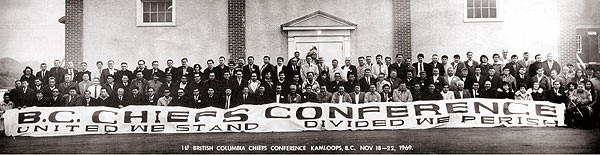
1970 Indian Act
When the federal objective failed to result in a process to “remove all legal distinctions between Indians and Her Majesty’s Other Subjects” – as it had been phrased in 1857 – the federal government used the information they had gained in consultations and wrote a new Indian Act.
The 1970 Act tightened government control, and seemed to use the information provided by Indigenous Peoples in consultations to make the Act even worse for them, increasing pressure on Indian Bands to volunteer surrenders just to get out from under it.
This Act advanced the stated goals of the 1969 White Paper.
Mechanisms were streamlined for:
lands to be removed from reserves as fee simple lots;
bands to take out loans;
the Minister to compel development on reserve to repay loans;
votes to surrender reserves;
provincial laws, courts, and police to have jurisdiction; and
the corporate character of bands and band powers.
Excerpts:
3. (1) This Act shall be administered by the Minister of Indian Affairs and Northern Development, who shall be the superintendent general of Indian affairs.
4. (1) A reference in this Act to an Indian does not include any person of the race of aborigines commonly referred to as Eskimos.
8. The band lists in existence in the Department on the 4th day of September 1951 shall constitute the Indian Register,
9. (1) Within six months after a list has been posted in accordance with section 8 or within three months after the name of a person has been added to or deleted from a Band List or a General List… [the band or person may] by notice in writing to the Registrar, containing a brief statement of the grounds therefor, protest the inclusion, omission, addition, or deletion, as the case may be, of the name of that person, and the onus of establishing those grounds lies on the person making the protest.
(4) …the decision of the judge is final and conclusive.
18. (2) The Minister may authorize the use of lands in a reserve for the purpose of Indian schools, the administration of Indian affairs, Indian burial grounds, Indian health projects or, with the consent of the council of the band, for any other purpose for the general welfare of the band, and may take any lands in a reserve required for such purposes
19. The Minister may… (b) divide the whole or any portion of a reserve into lots or other subdivisions, and
(c) determine the location and direct the construction of roads in a reserve.
23. An Indian who is lawfully removed from lands in a reserve upon which he has
made permanent improvements may, if the Minister so directs, be paid compensation… in an amount to be determined by the Minister, either from the person who goes into possession or from the funds of the band, at the discretion of the Minister.
25. (1) An Indian who ceases to be entitled to reside on a reserve may, within six months
or such further period as the Minister may direct, transfer to the band or another member of the band the right to possession of any lands in the reserve of which he was lawfully
in possession.
(2) Where an Indian does not dispose of his right of possession in accordance with ss.(1), the right to possession of the land reverts to the band,…
28. (2) The Minister may authorize any person for a period not exceeding one year, or with the consent of the council of the band for any longer period, to occupy or use a reserve or to reside or otherwise exercise rights on a reserve.
35. (1) Where by an Act of the Parliament of Canada or a provincial legislature, Her Majesty in right of a province, a municipal or local authority or a corporation is empowered to take or to use lands or any interest therein without the consent of the owner, the power may, with the consent of the Governor in Council and subject to any terms that may be prescribed by the Governor in Council, be exercised in relation to lands in a reserve or any interest therein.
(3) …the Governor in Council may, in lieu of the province, authority or corporation taking or using the lands without the consent of the owner, authorize a transfer or grant of such lands…
37. Except where this Act otherwise provides, lands in a reserve shall not be sold, alienated, leased or otherwise disposed of until they have been surrendered to Her Majesty by the band for whose use and benefit in common the reserve was set apart.
58. (4) Notwithstanding anything in this Act, the Minister may, without a surrender
(а) dispose of wild grass or dead or fallen timber, and
(б) with the consent of the council of the band, dispose of sand, gravel, clay and other non-metallic substances upon or under lands in a reserve, or, where such consent cannot be obtained without undue difficulty or delay, may issue temporary permits for the taking of sand, gravel, clay and other non-metallic substances upon or under lands in a reserve, renewable only with the consent of the council of the band,…
73. The Governor in Council may make regulations
(a) for the protection and preservation of fur-bearing animals, fish and other game on reserves;
74. (1) Whenever he deems it advisable for the good government of a band, the Minister
may declare by order that after a day to be named therein the council of the band, consisting of a chief and councillors, shall be selected by elections to be held in accordance with this Act.
76. (1) The Governor in Council may make orders and regulations with respect to band elections … with respect to
(а) meetings to nominate candidates;
(б) the appointment and duties of electoral officers;
(c) the manner in which voting shall be carried out;
(d) election appeals; and
(e) the definition of residence for the purpose of determining the eligibility of voters.
77. (1) A member of a band who is of the full age of twenty-one years and is ordinarily resident on the reserve is qualified to vote for a person nominated to be chief of the band, and where the reserve for voting purposes consists of one section, to vote for persons nominated as councillors.
POWERS OF THE COUNCIL extended:
81. The council of a band may make bylaws not inconsistent with this Act or with any regulation made by the Governor in Council or the Minister, for…
(b) the regulation of traffic;
(k) the regulation of bee-keeping and poultry raising ;
(l) the construction and regulation of the use of public wells, cisterns, reservoirs and other water supplies;
(m) the control and prohibition of public games, sports, races, athletic contests and other amusements;
(o) the preservation, protection and management of fur-bearing animals, fish and other game on the reserve;
96. (3) No offence is committed… if intoxicants are sold to or had in possession by an Indian in accordance with the law of the province where the sale takes place or the possession is had.
97. A person who is found
(а) with intoxicants in his possession, or
(b) intoxicated, on a reserve, is guilty of an offence and is liable on summary conviction to a fine of not less than ten dollars and not more than fifty dollars or to imprisonment for a term not exceeding three months or to both fine and imprisonment.
101. In every prosecution under this Act a certificate of analysis furnished by an analyst employed by the Government of Canada or by a province shall be accepted as evidence of the facts stated therein and of the authority of the person giving or issuing the certificate, without proof of the signature of the person appearing to have signed the certificate or his official character, and without further proof thereof.
102. Every person who is guilty of an offence against any provision of this Act or any regulation made by the Governor in Council or the Minister for which a penalty is not provided elsewhere in this Act or the regulations, is liable on summary conviction to a fine not exceeding two hundred dollars or to imprisonment for a term not exceeding three months, orto both.
103. (1) Whenever a peace officer or a superintendent or a person authorized by the Minister believes on reasonable grounds that an offence against section 33, 90, 93, 94, 95 or
97 has been committed, he may seize all goods and chattels by means of or in relation to which he reasonably believes the offence was committed.
106. A police magistrate or a stipendiary magistrate has and may exercise, with respect to matters arising under this Act, jurisdiction over the whole county, union of counties or judicial district in which the city, town or other place for which he is appointed or in which he has jurisdiction under provincial laws is situated.
111. (2) When an order of enfranchisement issues or has issued, the Governor in Council may, with the consent of the council of the band, by order declare that any lands within a reserve of which the enfranchised Indian had formerly been in lawful possession shall cease to be Indian reserve lands.
115. The Minister may
(c) enter into agreements with religious organizations for the support and maintenance of children who are being educated in schools operated by those organizations;
119. (1) …a truant officer has the powers of a peace officer.
(2) Without restricting the generality of ss. 1, a truant officer may
(а) enter any place where he believes, on reasonable grounds, that there are Indian children who are between the ages of seven and sixteen years of age, or who are required by the Minister to attend school;
(b) investigate any case of truancy;
(c) serve written notice upon the parent, guardian or other person having the care or legal custody of a child to cause the child to attend school regularly thereafter.
(3) Where a notice has been served in accordance with para. (2)(c) with respect to a child who is required by this Act to attend school, and the child does not within three days after the service of notice attend school and continue to attend school regularly thereafter, the person upon whom the notice was served is guilty of an offence and is liable on summary conviction to a fine of not more than five dollars or to imprisonment for a term not exceeding ten days, or to both.
(6) A truant officer may take into custody a child whom he believes on reasonable grounds to be absent from school contrary to this Act and may convey the child to school, using as much force as the circumstances require.
120. An Indian child who is expelled or suspended from school, or refuses or fails to attend school regularly, shall be deemed to be a juvenile delinquent within the meaning of the Juvenile Delinquent Act.
“Indianness” and “provincial laws of general application”
The effect of Section 87 (now 88) was to further decimate the early promises of the Royal Proclamation 1763 (which had already been abandoned by the introduction of the Indian Act in the first place); treaties made by Governor Douglas and public statements made by Governor Seymour at his New Westminster “picnics,” 1864-74; the guarantees of Indian Reserve Commissioners throughout British Columbia; and Treaty 8.
They had all said that no one would ever interfere with their hunting and fishing. For instance:
“…we had to solemnly assure them that only such laws as to hunting and fishing as were in the interest of the Indians and were found necessary to protect the fish and fur bearing animals would be made, and that they would be as free to hunt and fish after the treaty as they would be if they never entered into it.
“We assured them that the treaty would not lead to any forced interference with their mode of life…”
- Treaty Commissioner David Laird, reporting on events at the Treaty 8 signing, September 22, 1899.
“No one will ever bother you in your fishing and hunting.”
- Gilbert M. Sproat, Indian Reserve Commissioner 1870s – 1888, in his notes of meetings with the Nlaka’pamux,
to determine their Reserves.
“it is also understood that we are at liberty to hunt over the unoccupied lands, and to carry on our fisheries as formerly.”
- Core text of all the Fort Victoria Treaties, 1851-54
Although Game Wardens and Indian Agents had already interfered extensively with Indigenous economies, at their own discretion, and the BC Fisheries Act had outlawed many Native fisheries, the 1951 amendment specifically entrenched the Provinces’ hunting and fishing laws in application to Indigenous people.
The appalling travesty was that hunting and fishing laws could not possibly be “laws of general application” because they were totally disproportionate in their impact to Indigenous people compared to newcomers.
In countless hunting and fishing charges, fines, seizures of equipment and vehicles, Indigenous individuals and communities fought – and continue to fight – hunting and fishing laws that violate their land rights.
One of the most scandalous judgements on this matter, in its literal acknowledgement that the provincial laws discriminated against and impacted those activities which went “to the core of Indianness,” and yet denied the hunter his right of appeal against the violation – even while many other cases had succeeded on this point, was passed down in 1985 in Dick v. The Queen.
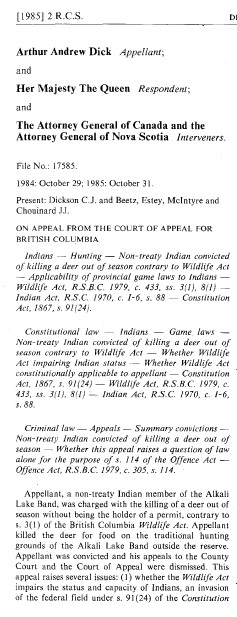
1970 The Queen v. Joseph Drybones
Section 94(b) of the Indian Act 1952, made it an offence for an Indian to be intoxicated off a reserve. Mr. Drybones was convicted of this offence in the Northwest Territories. There is no Indian reserve in the Northwest Territories. The law was such that Drybones would not have been guilty of the offence if he had not been an Indian.
Did the law offend the Bill of Rights? Yes. The court made a ruling which came to be known as the Drybones principle, which is that, since section 94(b) of the Indian Act is a law of Canada, and does infringe on a fundamental freedom of the accused and is not declared by the Parliament of Canada to be operative in spite of the Canadian Bill of Rights, it must be considered suspended in so far as it is incompatible with the terms of the Canadian Bill of Rights.
The 1970 Indian Act decriminalized intoxication for Indians, off a reserve, providing for provincial laws to regulate that activity. It also provided for an Indian band to hold a vote to allow intoxication on their reserve.
1970 report of the Royal Commission on the Status of Women
Recommendation 106: “that the Indian Act be amended to allow an Indian woman upon marriage to a non-Indian to (a) retain her Indian status and (b) transmit her Indian status to her children.”
1971 Claim Based on Native Title to the Lands Now Forming British Columbia and the Waters Contained Therein or Adjacent Thereto
The 1969 BC Supreme Court ruling in the Nisga’a title case, Calder v. The Attorney General BC, and the 1970 Indian Act, were violent actions of state repression in response to measured political and legal participation by Indigenous Peoples. The UBCIC answered that with the above named claim, little more than a reformulation of the 1919 Claims of the Allied Tribes, but incorporating the modern jargon.
The Claim incorporated the outstanding issues of postage-stamp Indian Reserves and wholesale invasion of Indigenous territories without permission, discussion, or even an offer of compensation.
1971 the Native Council of Canada
NCC was established to represent the interests of Métis and Non-Status Indians: about 750,000 Indigenous people who had been removed from the Indian Register. The NCC was a Canada-wide organization made up of the provincial and territorial organizations fir off-reserve and Non-Status Indians that had formed largely in response to the 1969 White Paper Policy.
1971 Lavell v The Registrar
In 1970, Jeanette Corbiere Lavell had lost her Indian Status because she married a non-native man. She appealed the Registrar’s decision at Federal Court – with written support from the chief and council of her Indian Band reserve, Wikwemikong – but the Registrar’s decision was upheld.
Lavell went back to court, and in 1972, the Federal Court of Appeal ruled that section 12(1)b of the Indian Act was discriminatory, because it made women, but not men, lose status by marriage.
1972-73 enfranchisement of children suspended
The automatic loss of Indian Status for Native women who married non-status men was inoperative since the 1971 ruling in Lavell, because it was found to offend the Bill of Rights equality provisions.
It was Lavell’s position that Parliament, in defining Indian status so as to exclude women of Indian birth who have married non-Indians, enacted a law which cannot be sensibly construed without abrogating or infringing the rights of women before the law.
1974 Attorney General of Canada v. Lavell – overthrowing the win
Yvonne Bedard won an appeal against the Registrar for her loss of Indian Status, on the basis of Lavell’s 1972 victory. The Attorney General of Canada, along with the Department of Indian Affairs, took both Lavell and Bedard to the Supreme Court of Canada. The decisions in favour of their equality – of reinstating their Indian Status – were overturned in 1974.
In a five-to-four decision, the government’s appeal was allowed and section 12(1)(b) of the Indian Act was upheld. That is the section that denies Indian Status to women who have married non-Indians.
Mrs. Lavell and Ms. Bedard’s Indian Status was taken away again, and the court restored the Indian Act provision that Indian Status women who marry Non-Status men will automatically lose their own Status.
The judge remarked,
“The Canadian Bill of Rights does not have the effect of making s.12 of the Indian Act inoperative. The Bill of Rights does not affect the Crown’s legislative authority with regard to Indians.
“… Accepting argument that the Bill of Rights rendered the provision inoperative would mean that the whole Indian Act should be declared inoperative because it establishes different statuses for people living in Canada based on their race (Indian or non-Indian). It was never the intention of the Bill of Rights to suppress all federal legislation concerning Indians.”
1975 – Barber Commission comments at the meeting of the Native Council of Canada.
“Indian claims commissioner Dr. Lloyd Barber startled and delighted delegates to the annual meeting of the Native Council of Canada on Tuesday when he told them he believes Metis and non-status Indians possess aboriginal and land rights.
“And I will do everything in my power to see that they are recognized,” Barber told the Council, the national organization for an estimated 750,000 Metis and non-status Indians.
Barber’s statement that aboriginal and land rights of Metis and non-status Indians “are well established in Canadian law” was the first time anyone with authority in Ottawa has backed native people outside the Indian Act.
From “Commissioner lauded,” Daily Colonist, Victoria, BC, June 11, 1975. Report from Charlottetown by the Canadian Press wire service.
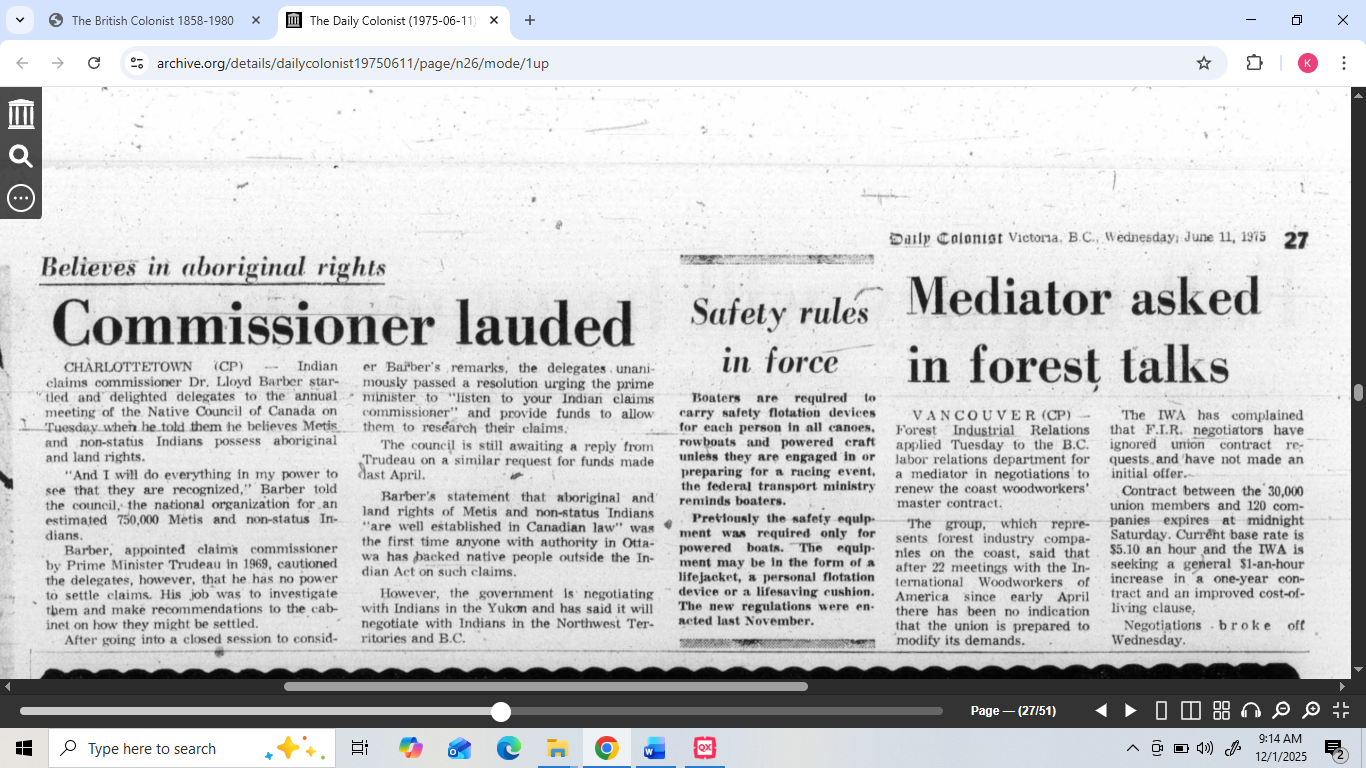
1975 taking over DIA offices across BC
The infamous top-heavy DIA management of meagre funds to Indian Bands was challenged in the very offices where the dollars were being consumed by administration. DIA offices in Bella Coola, Vernon, Kamloops, and the “Black Tower” in Vancouver were occupied. On the ground, the Stewart-Trembleur Band blockaded B.C. Railway; at Port McNeil people set up a toll at a bridge crossing; members of Westbank barricaded a highway lookout; the Uchucklesaht people blocked logging roads on Vancouver Island, and, following the Chilliwack declaration that Indians have traditional rights to hunt and fish, a flood of people went out fishing in defiance of laws against it.
See more in the April 2025 issue of Archive Quarterly.

Photo: Kamloops DIA offices, 1975 May 1. Front page of Nesika newspaper, May 1975.
The 1975 Rejection of Funds by BC Indian Bands
was attached to the occupation of the DIA offices. At that time, there were few Band Offices on Indian Reserves and administration of Indian moneys was performed almost entirely by non-Native offices in the few BC “cities” that existed at that time: Vancouver, Victoria, and Kamloops.
One of the results of this campaign, which was also meaningfully launched in 1974 with the armed Two Springs roadblock at Bonaparte, Secwepemc, and the ensuing Native Peoples Caravan to Ottawa (see Archive Quarterly, Summer 2024, on this site), was the institution of Tribal Councils and local Indigenous administration of DIA services.

Photo: Stuart-Trembleur railway blockade – Daily Colonist July 1975.
1976 International Covenant on Civil and Political Rights
Canada became a signatory to the ICCPR, adopted December 16, 1966, with entry into force March 23, 1976) G.A. Res. 2200A (XXI) (accession by Canada 19 May 1976, Can. T.S. 1976 No. 47).
Article 1
- All peoples have the right of
self-determination.
By virtue of that right they freely determine their political status
and freely pursue their economic, social and cultural development. - All peoples may, for their own ends, freely dispose of their natural wealth and resources without prejudice to any obligations arising out of international economic co-operation, based upon the principle of mutual benefit, and international law. In no case may a people be deprived of its own means of subsistence.
- The States Parties to the present Covenant, including those having responsibility for the administration of Non-Self-Governing and Trust Territories, shall promote the realization of the right of self-determination, and shall respect that right, in conformity with the provisions of the Charter of the United Nations.
Article 27 of the ICCPR provides:
In those States in which ethnic, religions or linguistic minorities exist, persons belonging to such minorities shall not be denied the right, in community with the other members of their group, to enjoy their own culture, to process and practice their own religion, or to use their own language.
1977 Canadian Human Rights Act
This legislation provides the basis for appeal from denial of universal human rights, including under the 1960 Canadian Bill of Rights.
Section 67 of the Human Rights Act excludes the operation of the Indian Act from its application.
August 1978 “Indian Act Discrimination Against Sex”
was prepared for the Department of Indian Affairs and Northern Development (“DIAND”), and stated in part:
I. INTRODUCTION
The Indian Act, it is alleged, discriminates on the grounds of sex and is, therefore, contrary to the provisions of the Human Rights Act. Sections 12(1)(b) and 11(1)(b) apply in particular.
II. PROPOSAL
The object of this paper is to propose that discrimination on the grounds of sex in the Indian Act be eliminated by the following formulation:
Indians who marry non-Indians would remain entitled to be registered; their non-Indian spouses would not be entitled to be registered. Their children would be entitled to be registered if the parents of the Indian parent were both Indian.
Notes: (excerpt from the ruling in McIvor v Canada, 2007, para. 60-61)
“Due to mounting pressure to amend the Indian Act, and despite an inability to gain consensus on what amendments should be made, Minister of Indian Affairs John Munro announced on July 24, 1980, that he was going to use a provision of the Indian Act to suspend the effect of s. 12(1)(b) when requested to do so by Band Councils, pending further legislative amendments. Section 4(2) of the Indian Act then in force allowed the Governor in Council to declare, by proclamation, that any portion of the Indian Act did not apply to any Indians or group or band of Indians: Press Release, “Government Ready to Lift Discrimination”, July 24, 1980.
“The Minister used s. 4(2) to declare, at a band’s behest, that various parts of s. 12 of the Indian Act, R.S.C. 1970, c. I-6 (the “1970 Act”) did not apply to members of that band. As of July 1984, it appears that 107 of the approximately 580 bands in Canada had sought exemption from s. 12(1)(b) (the women marrying out clause) while 311 had sought exemption from s. 12(1)(a)(iv), (the ‘double mother’ clause): Draft DIAND Report, “The Potential Impacts of Bill C-47 on Indian Communities”, November 2, 1984.”
1979 UBCIC Aboriginal Rights Position Paper
Diagram of proposed governance structure, with description:
“Our Indian Governments or Legislatures are to have exclusive jurisdiction to make laws in relation to matters coming within classes of subjects, hereafter referred to, without limiting the scope of the possible subjects to be under Indian control.
Some of the areas to be under the jurisdiction and authority of our Indian Governments include:
- Band Constitutions
- Citizenship
- Land
- Water
- Air
- Forestry
- Minerals
- Oil & Gas
- Migratory Birds
- Wildlife
- Fisheries
- Conservation
- Environment
- Economic Development
- Education
- Social Development
- Health & Welfare
- Marriage
- Cultural Development
- Communications
- Revenues
- Justice
- Indian Law Enforcement
- Local & Private Matters”
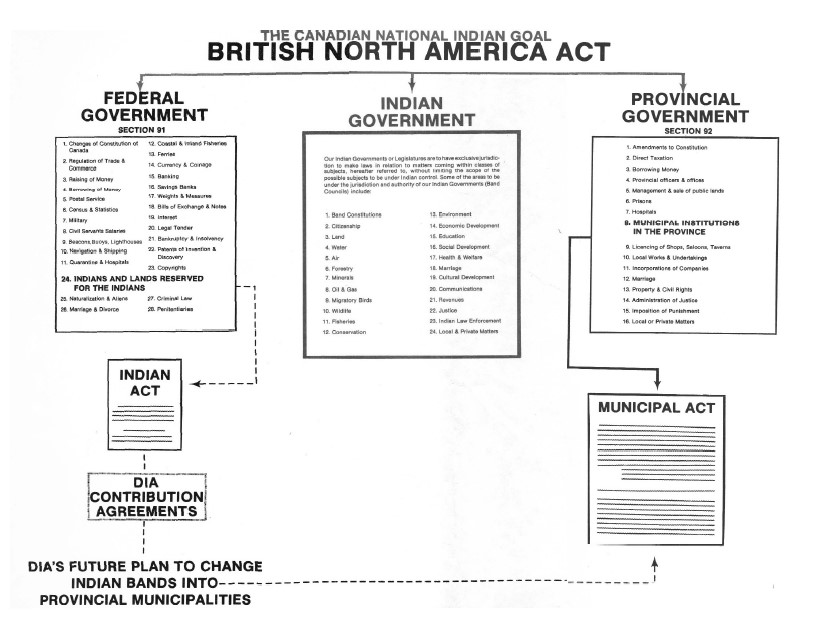
1981 Concerned Aboriginal Women and more DIA occupations
About sixty people took over the Vancouver DIA office on a Thursday afternoon, July 23, 1981.
They were organized by the Concerned Aboriginal Women, who were demanding that the Minister come to British Columbia and take a tour of Indian reserves to see the state of housing on reserves and the common absence of a drinking water supply, or sewage treatment facilities.
What the people found in the office was bottles of gin and brandy in the top drawers of desks; receipts amounting to thousands of dollars of liquor purchases; and a poster on the wall that said: “Booze is the Answer. Does Anybody Remember the Question?”
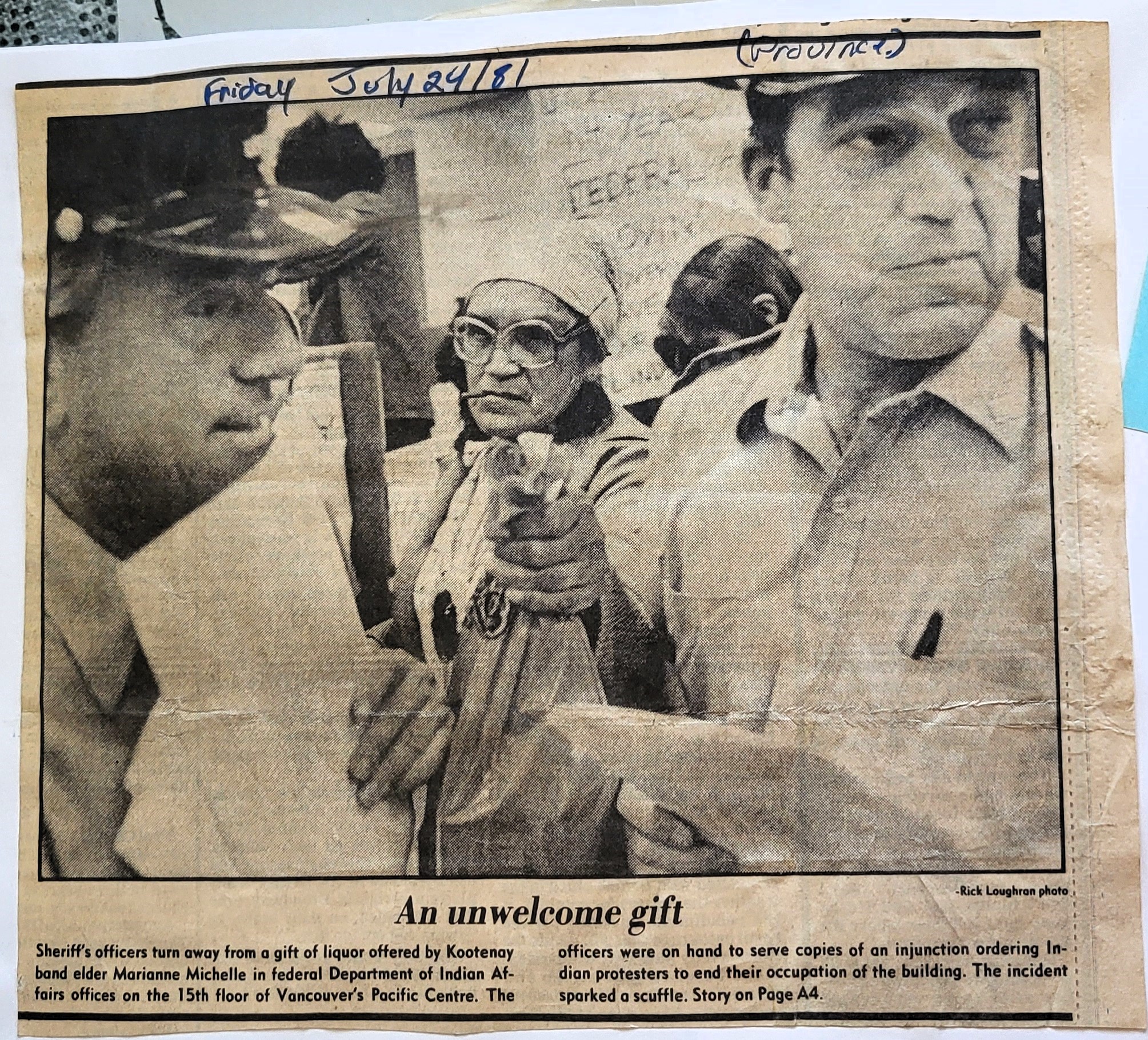
Photo: DIA Vancouver office occupation. “Sheriffs give Indians order to leave,” by Suzanne Fournier; photo, Rick Loughran. The Province newspaper, July 24, 1981.
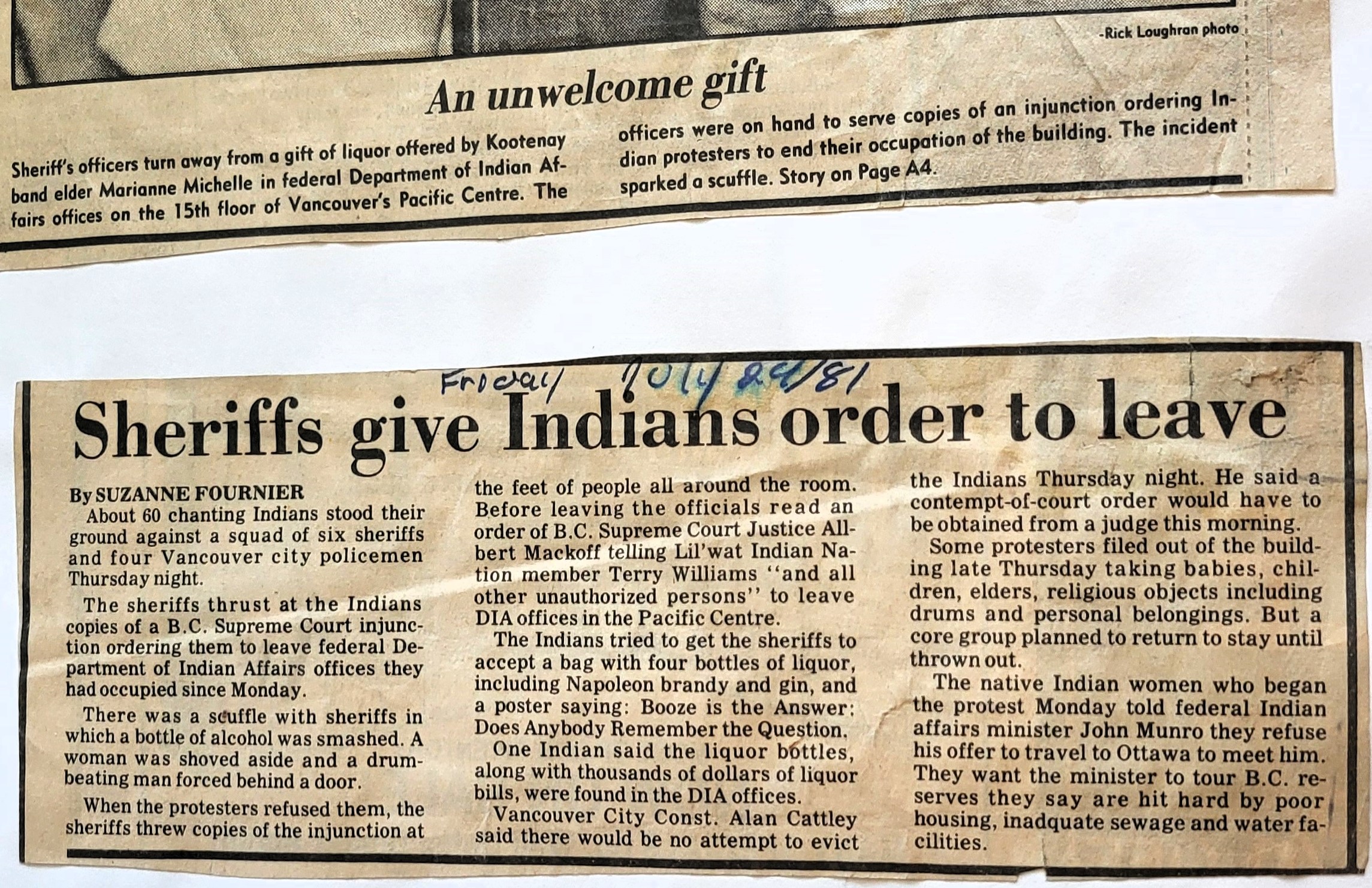
1982 The Canada Act
Prime Minister Trudeau’s next attempt to “repeal the Indian Act” – and all Aboriginal rights with it, came with the Canada Bill 1981. The Canadian government wrote its own constitution, and petitioned the British government to approve it.
The Indian Association of Alberta, with The Indian Association of Alberta, Union of New Brunswick Indians, and Union of Nova Scotian Indians sued in court to prevent this. The ruling was released only weeks before the Canada Bill was debated in the House of Commons. The case was titled, “The Queen v. The Secretary of State for Foreign and Commonwealth Affairs, ex parte: The Indian Association of Alberta, Union of New Brunswick Indians, Union of Nova Scotian Indians.”
Many members of the UK Parliament spoke extensively on their objections to the Canada Bill. For example:
“The Indian nations are justified in questioning the bona fides of the Canadian Prime Minister. I say that with great regret. As long ago as 1969, he spoke in Vancouver about the need to bring to an end the historic treaty rights of the Indian peoples and spoke of how in due course those rights must be extinguished. He refuses even now to sit at the conference table to discuss and define what those rights are. He will not do so until the new constitution of Canada is established, and at that stage he will have the power to override the Indians.
“That is our dilemma. We do not wish to offend Canada, but if we pass the Bill in its present form we shall infringe two international agreements and at the same time disregard the rights of the Indian nations given under 83 treaties between them and the British Sovereign. For that reason, I shall find it difficult to support the Bill.”
- Mr. Richard Body, member of Parliament for Holland-with-Boston, February 17, 1982, in UK, HC, “Canada Bill”, vol 18 (1982), cols 292-373.
Members of the UK Parliament proposed a rider to accompany the new Canadian Constitution, the Aboriginal Rights Commission:
Date: 1982-02-23
By: UK (House of Commons)
Citation: UK, HC, “Aboriginal Rights Commission“, vol 18 (1982), cols 770-831.
- An Aboriginal Rights Commission constituted under Part IV A shall be funded out of moneys accumulated before this Act comes into force for the use and benefit of the aboriginal peoples of Canada, or any of them, provided that the consent of the duly authorised representatives of the said peoples to that funding has been first had and obtained.
- The Commission shall consist of a chairman and not more than eleven other members appointed by the Governor General, including not less than six members appointed after consultation with and with the approval of those of the aboriginal peoples of Canada duly authorised in accordance with paragraph 5 below, and not less than two members who have appropriate knowledge and experience of matters in relation to the discharge of the functions of the Commission.
- It shall be the duty of the Commission—
- (a)to take all appropriate steps necessary as soon as reasonably possible and from time to time to identify and define and determine the aboriginal, treaty or other rights or freedoms respectively of each of the aboriginal peoples of Canada for inclusion by virtue of their determination in the Constitution of Canada under Part IV A;
(b)to protect the said aboriginal, treaty or other rights or freedoms;
(c)to discover any breaches thereof or any discrimination against them;
(d)to monitor and investigate any matters in relation thereto;
(e)to institute such proceedings (as they may think fit) in the courts of Canada in connection therewith on behalf of all or any of the aboriginal peoples of Canada;
(f)to consider and report upon all legislation (including provincial legislation and proposed legislation) affecting the said peoples;
(g)to report upon and publish their findings from time to time and at least once a year;
(h)to establish a research unit to discover and obtain all such documents, treaties, papers, records, books and similar material (or copies thereof howsoever reproduced) relating to the aboriginal peoples of Canada as may reasonably be ascertained and to preserve, collate, register, index and publish the results of their research and to make the material so obtained (or copies thereof) available to members of the public by way of reference, on microfilm or otherwise;
(i)to make recommendations in connection with their functions as to—
(i)the repeal, amendment or alteration of, or further provision for, the Constitution of Canada or any Act or order made thereunder affecting the aboriginal peoples of Canada including the Indian Acts and provincial legislation;
(ii)future legislation which shall, in relation to the aboriginal peoples of Canada, provide for legal and equitable settlement of their land claims by an independent tribunal, for proper and fair procedures relating thereto and the payment to them of proper and fair compensation under rules to be provided for the purposes;
(iii)the alteration of, or provision for the organisation and distribution of government departments or administrative or similar bodies with responsibility for the affairs of the aboriginal peoples of Canada, or any of them.
The commission may accept financial assistance otherwise than out of moneys provided under paragraph 1 towards the defraying of their expenses.
- (1) For the purposes of paragraph 1 and 2, those of aboriginal peoples of Canada empowered to give their consent, to consult with the Governor General and to approve the appointment of certain members of the Commission shall be—
(i)in the case of Indians, those duly authorised to do so by The First Nations Assembly of Canada at a special meeting summoned for the purpose;
(ii)in the case of other aboriginal peoples of Canada, respectively, those duly authorised to do so by a majority of authorised representatives of the appropriate class or category of such peoples at special meetings summoned for the purpose.
- In this Schedule, ‘The First Nations Assembly of Canada’ means the Chiefs of the Indian tribes, bands and Nations of Canada.”.’.
- New clause 1—Commencement (No. 1)
- New clause 2—Commencement (No. 2)
- Amendment No. 23, new schedule—The Rights of the Aboriginal Peoples of Canada
Read the full debate of the Canada Bill in the UK government:
The Canadian Constitution Act 1982, however, was passed as written by the Canadian government, over the objections of Indigenous Peoples coast-to-coast-to-coast, and their interventions with the Constitution Express, arriving in Ottawa and then the United Nations headquarters in New York; throughout Europe; and at the Russell Tribunal.
Britain’s Parliament and House of Lords succeeded in making the single addition, in Section 47, that Canada must hold a series of constitutional conferences to elaborate and secure the rights of Indigenous Peoples.
The First Ministers Conferences of 1983, 1985, and 1987, followed by the Mech Lake Accord and Charlottetown Accord in 1990 and 1992, failed to achieve that goal.
- See documents related to the First Ministers Conferences further below.
In Section 35, the constitution affirmed “existing Aboriginal and treaty rights” – but these were not defined or even identified. To this day, the Canadian courts have taken the position that “aboriginal rights will be defined on a case-by-case basis.” Only such rights as have been defined by the courts, or defined in agreements with the government, are constitutionally protected as “existing” Aboriginal rights. Of all the extensive civil, political, economic, social, cultural, and land rights which Indigenous Peoples possess under their own and international laws, the Government of Canada considers these “undefined aboriginal rights” and does not recognize them: not until they are defined by Canadian courts or Canadian-made agreements.
Canada recognizes the provisions of the Indian Act – while racing to replace each section of that unilateral, illegal legislation with piecemeal agreements and “accommodation legislation” that Indigenous Peoples consent to, usually in funding agreements, thereby legitimizing governance by Canada.
“The Indian Act was exceptionally paternalistic. It relegated Indians to reserves—mostly small parcels of land. Today there are approximately 2, 200 parcels of reserved land.
“It was land of apparently little or no value, but when it was found to be valuable, there were few compunctions about evicting the Indians, expropriating their land and trampling on their rights.”
- Mr. Clinton Davis (Hackney, Central)
Date: 1982-02-17
By: UK (House of Commons)
Citation: UK, HC, “Canada Bill“, vol 18 (1982), cols 292-373.
Photo: Canadian Prime Minister Pierre Trudeau with Queen Elizabeth II, c. 1982.
1982 Lovelace v. Canada
In its report July 30, 1982, the United Nations Committee on Human Rights found Canada was in breach of section 27 of the International Covenant on Civil and Political Rights, citing the following paragraph:
“In those states in which ethnic, religious or linguistic minorities exist, persons belonging to such minorities shall not be denied in their community, with the other members of their group, to enjoy their own culture, to profess and practise their own religion, or to use their own language.”
Communication No. R.6/24, U.N. Doc. Supp. No. 40 (A/36/40) (1981) – full doc below in “Women under the Indian Act”
The Committee noted several other violations of the Convention.
1982 Standing Committee on Indian Affairs
hears submissions from Indigenous organizations on the impacts of the Indian Act, and proposed changes.
1983 Martin v Chapman
John Martin, born out of wedlock to a Status Indian father, went to the Supreme Court of Canada to challenge the Registrar, who was H.H. Chapman, and be recognized as entitled to Indian Status.
The written ruling exposed the judges’ candid interpretation of the purpose of the Indian Act:
“to preserve control of reserve lands by male Indians.”
It also revealed the discretionary power of a Band Registrar, and the progressive detail in which further amendments to the Indian Act denied status to as many eligible people as possible.
1980-83 Special Committee on Indian Self-Government in Canada
This Committee held meetings with Indigenous representatives across Canada. Indigenous representatives explained to Committee members that the Indian Act does not provide a legal framework by which native communities can control their own affairs.
The Minister of Indian Affairs himself testified before the Committee and told them that the exercise of band powers is by approval of the Minister; the land tenure system on reserves is arbitrary and limiting; the Bands have few, if any, legislative powers in social and economic development; and the legal status of Indian Bands to enter contracts with any other entity is “unclear.”
The Committee encountered almost unanimous rejection of the government’s 1982 proposals for legislative change which they said provided greater local control and exercise of authority by band governments. Opposition to these proposals was on the basis that they involved a delegation of power to “inferior” Indian “municipal” governments, rather than a recognition of self-determination of Indian First Nations, and would radically alter the special trust relationship, relieving the federal government of its fiduciary and special responsibilities.
The Committee recognized the need for a “new relationship” based on constitutional recognition of Indian First Nations governments as a distinct order of government in Canada. The Committee supported full jurisdictional authority for First Nations determining their own membership, recommended full First Nations authority over lands and resources and establishment of a First Nations land registry, an adequate land and resource base, the settlement of claims, the correction of deficiencies in community infrastructure, and phasing out the programs of the department of Indian Affairs within five years. None of these were acted on in the spirit in which they were recommended.
1984 An Act to amend the Indian Act: Bill C-47 and Bill C-31.
C-47 was an amendment to the Indian Actthat died on the order paper. Among many, the representative of the Indian Association of Alberta expressed vehement opposition to the proposed bill, stating that “in attempting to bring about sexual equality, it will instead bring about cultural genocide.” Minutes of Proceedings and Evidence of the Standing Committee respecting Bill C-47, June 28, 1984.
In late 1984, the government of Canada tabled Bill C-31, An Act to Amend the Indian Act.
The bill was aimed, according to Ministers, at ending discrimination and restoring justice to those denied Status.
Witness testimony to the Standing Committee, respecting C-31, illuminated the impacts of being stripped of Indian Status. Witnesses also explained clearly how the bill did not achieve the stated goals, and actually worsened some injustices.
C-31 was passed in June of 1985, but the Indian Act was not amended in accordance with the recommendations provided by Indigenous organizations – not for another 32 years – and only then after many Supreme Court rulings brought by Indigenous individuals.
Indian Act 1985 – reinstatement after removal of Indian Status
The infamous Bill C-31 was passed after last-minute representations from many Indigenous organizations, most of whom had not been involved in or aware of the proposed changes. They organized and prepared reports on their own initiative and expense – such as the Indian Homemakers Association of BC.
Up to 200,000 people regained their Status by the provisions of the 1985 amendments, many of them women who had lost Status by marrying Non-Status men, and those women’s children; people who had been enfranchised in order to go to university or own land; and many who had never had Status.
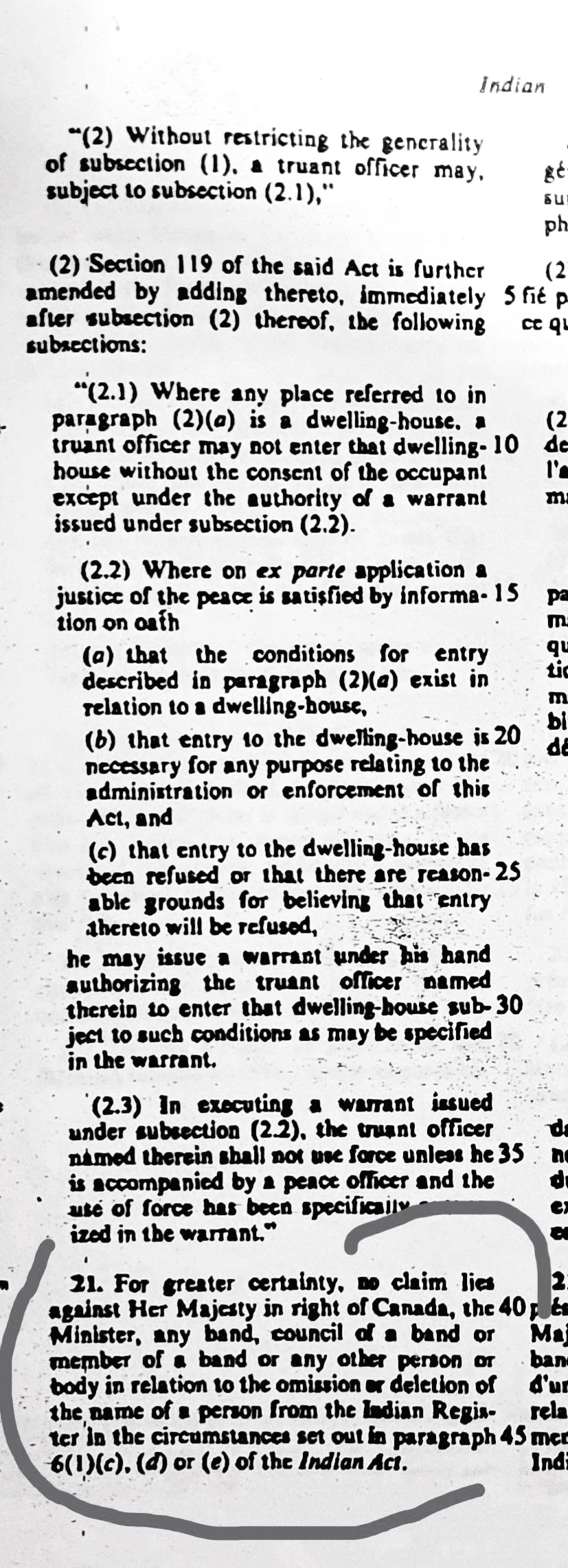
The 1985 amendment removes Band membership as an automatic entitlement to Indian Status. Now only Canada can confer Indian Status.
It also included a clause to protect the crown, the Registrar, government staff, and any Band, and any person involved in the removal of a Status Indian’s name from the Registry, from liability for damages caused by refusing to register individuals:
21. For greater certainty, no claim lies against Her Majesty in right of Canada, the Minister, and band, council of a band or member of a band or any other person or body in relation to the omission or deletion of the name of a person from the Indian Register in the circumstances set out in paragraph 45 6(1)(c), (d) or (e) of the Indian Act.
In early 1985, there were 48 claims of wrongful appropriation being launched against the government by enfranchised Status Indians, with the stated aim of restoration and compensation.
Bill C-31 was the end of those cases.
Indian Act 2010
An Act to amend the Indian Act, Bill C-428, 2014
Introduced by Rob Clarke, M.P. for Desnethé—Missinippi—Churchill River, on June 4, 2012. Bill C-428 received Royal Assent on December 16, 2014. The Act amends the Indian Act by repealing outdated or antiquated clauses and removing barriers to opportunity for First Nations.
Overview of Bill C-428 Amendments to the Indian Act
1. Sections relating to residential schools
In June 2010, as a gesture of reconciliation, the Government of Canada committed to repeal those sections of the Indian Act that allowed for the establishment of Indian Residential Schools and the removal of children from their homes and communities.
These provisions were in the part of the Indian Act dealing with “Schools” (sections 114 to 122).
Bill C-428 repeals:
- Specific references to “residential schools”
- Provisions allowing for forcible removal of children from homes to attend school and related matters
- General requirements and powers which are outdated or unused
- Rights of on-reserve religious majorities and minorities (not currently exercised)
2. Removal of Other Outdated or Antiquated Clauses
Bill C-428 repeals the following outdated and antiquated sections of the Indian Act:
- Section 32 and 33 of the Indian Act which related to the sale or barter of produce. These sections date back to 1881 and have not been enforced for decades.
- Section 36 of the Indian Act was created to address a historical circumstance to bring within the authority of the Indian Act lands held by churches or charitable organizations in trust for First Nation communities in pre-Confederation days. Section 36 is no longer in use. The existing categories within the additions to reserve policy are sufficient to respond to the reserve creation needs of First Nations.
- Section 92, which prohibited an officer or employee of Aboriginal Affairs and Northern Development Canada, a missionary or a school teacher from trading for profit or selling to an Indian goods or chattels without a license issued by the Minister.
- Section 105, which was a provision relating to the identification of an Indian or other person in legal proceedings.
3. Revision to Indian Act sections on By-laws:
Bill C-428 repeals or replaces several sections of the Indian Act which related to by-laws. The revised language eliminates the Minister’s oversight in regards to the submission, coming into force and disallowance of by-laws and gives First Nations the autonomy and responsibility over the development, enactment and coming into force of by-laws. The following outlines the key amendments:
Intoxicants by-laws:
Bill C-428 repeals subsection 85.1(3) of the Indian Act therefore removing the Minister’s oversight function in regards to the procedural requirements in order for an intoxicant by-law to come into force. As a result, once an intoxicant by-law has been assented to by a majority of the electors of the band who voted at a special meeting of the band called by the council of the band for the purpose of considering the by-law, and publication requirements are met, the by-law will come into force. First Nations are no longer required to forward intoxicant by-laws to the Minister once the aforesaid requirements have been met.
Publication, Accessibility and Coming into Force of By-laws:
Clause 9 of Bill C-428 provides for two improvements:
- It provides for the publication of by-laws enacted by band councils. It requires band councils to publish by-laws on an Internet site, in the First Nations Gazette or in a newspaper that has general circulation on the reserve of the band. A by-law will come into force upon publication or on any later day specified in the by-law. The availability of a by-law, published on an Internet site, must be accessible during the period of time it is in force.
- It requires that the council of the band provide copies of their by-laws upon any person’s request.
Previously, band councils enacting by-laws under sections 81 or 85.1 of the Indian Act were required to forward a copy of a by-law to the Minister within four days of its enactment. Upon coming into force, First Nations were responsible for making their by-laws available to their members and the public without explicitly being required to do so in the Act. As well, publication of by-laws was not required under the Indian Act.
In regards to by-laws enacted under section 83 of the Indian Act, Ministerial approval will still be required in order for the by-laws to come into force. Commonly referred to as taxation or money by-laws, these by-laws are processed through the First Nations Tax Commission and not Aboriginal Affairs and Northern Development Canada but must explicitly be approved by the Minister in order to come into effect.
Disallowance power
Clause 7 of Bill C-428 repeals section 82 of the Indian Act. The effect is two-fold in that it means that First Nations are no longer required to forward copies of all by-laws enacted under subsection 81(1), within four days of enactment, to the Minister, and it removes the discretionary disallowance power of the Minister regarding by-laws enacted under subsection 81 of the Indian Act. As a result, First Nations will have autonomy over the enactment and coming into force of by-laws and the day-to-day governance of their communities.
Seizure of goods
Clause 11 of Bill C-428 removes from subsection 103(1) of the Indian Act the reference to section 33, given that this section is repealed by Bill C-428, and also extends search and seizure powers when there is reasonable grounds to believe that an offence has been committed against a by-law made under subsection 81(1) of the Indian Act.
Fine moneys
Bill C-428 amendments regarding fine moneys provide First Nations with direct access to a fine imposed under a by-law made by the council of a band under the Indian Act. This means that by-law fines will no longer belong to “Her Majesty for the benefit of the band …”. Instead, First Nations will be able to access the proceeds of a successful by-law prosecution more efficiently.
4. Annual report to Parliamentary Committee
Bill C-428 requires the Minister of Aboriginal Affairs and Northern Development to report annually on work undertaken in collaboration with First Nations and other interested parties on the development of legislation to replace the Indian Act.
Recent legislative initiatives, such as the First Nations Elections Act, Family Homes on Reserves and Matrimonial Interests or Rights Actand Bill C-33, First Nations Control of First Nations Education Act are but a few examples of initiatives that are a result of consultations with First Nations and either provides an alternative to the Indian Act, or fills a legislative gap.
2015 Descheneaux
On August 3, 2015, the Superior Court of Quebec ruled in favour of the plaintiffs in Descheneaux, finding that paragraphs 6(1)(a), (c) and (f) and subsection 6(2) of the Indian Act unjustifiably infringe section 15 of the Charter. The court declared these provisions to be of no force and effect but suspended its decision until December 2017 to allow Parliament time to make the necessary legislative amendments. This ruling, following on Daniels and going to discrimination within Indian Act limitations on Indian Status
Indian Act 2017 – “unknown or unstated parentage”
Implementing the Descheneaux decision, December 12, 2017:
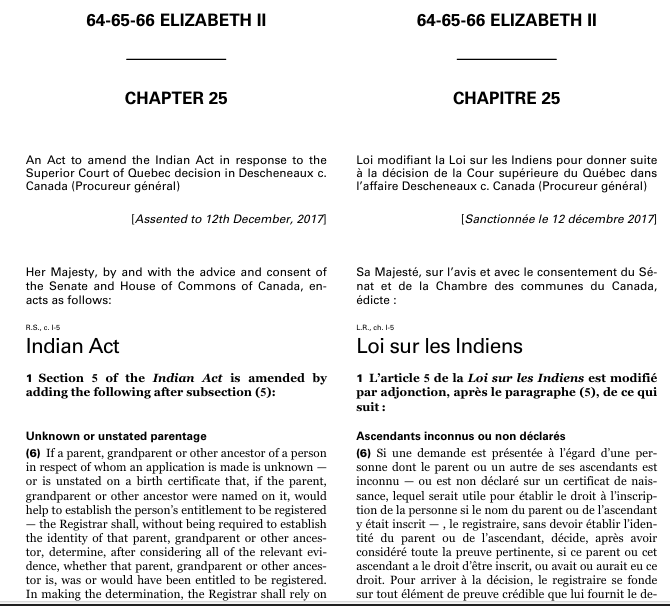
2021 CIRNAC diagram showing replacement of Indian Act with other legislation and Sectoral Agreements
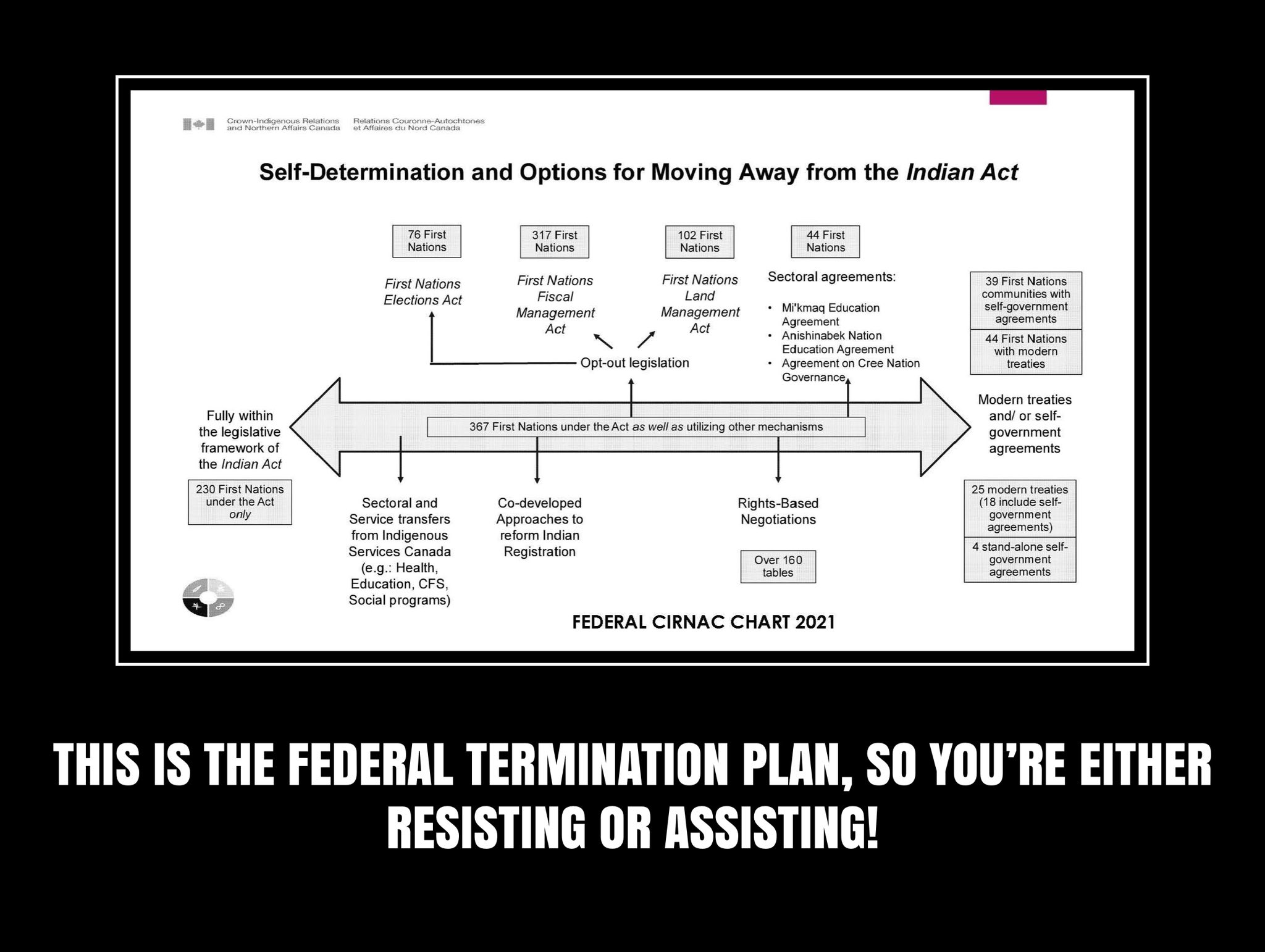
Image with caption from Russel Diabo and the First Nations Strategic Bulletin, 2026.
Women under the Indian Act
Indian Act – timeline of amendments re. women and children
– from Archive Quarterly – Summer 2024
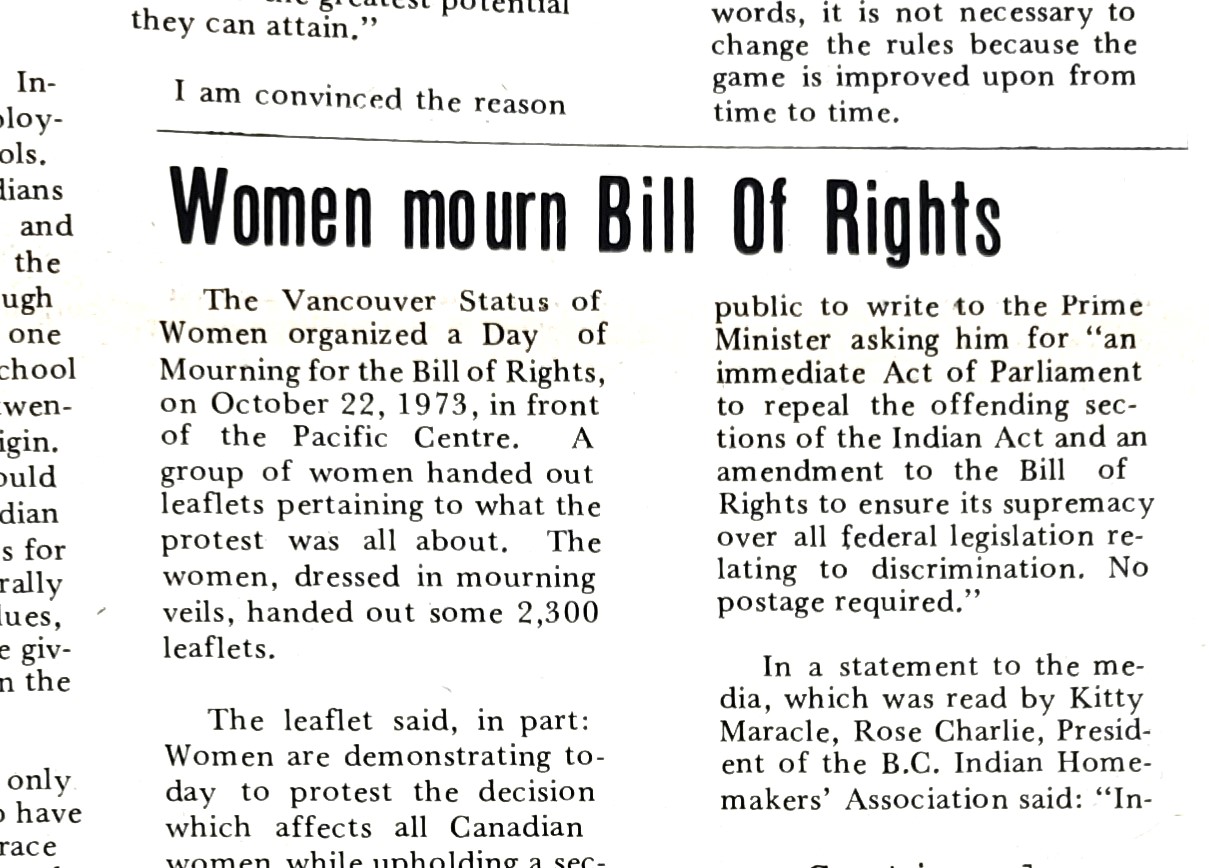
1975 Lovelace v. Canada.
Following the Supreme Court of Canada’s dismissal of the Lavell case under the Bill of Rights, Sandra Lovelace, a Maliseet person who lost her Indian status upon marriage to a non-Aboriginal man, challenged the marrying out provision of the Indian Act under Article 27 of the International Convention on Civil and Political Rights, UN 1966.
July 30, 1982. The United Nations Committee on Human Rights found Canada was in breach of section 27 of the International Covenant on Civil and Political Rights.
Communication No. R.6/24, U.N. Doc. Supp. No. 40 (A/36/40) (1981)
Citizens Minus ~ Indian Women and the law in Canada, 1978
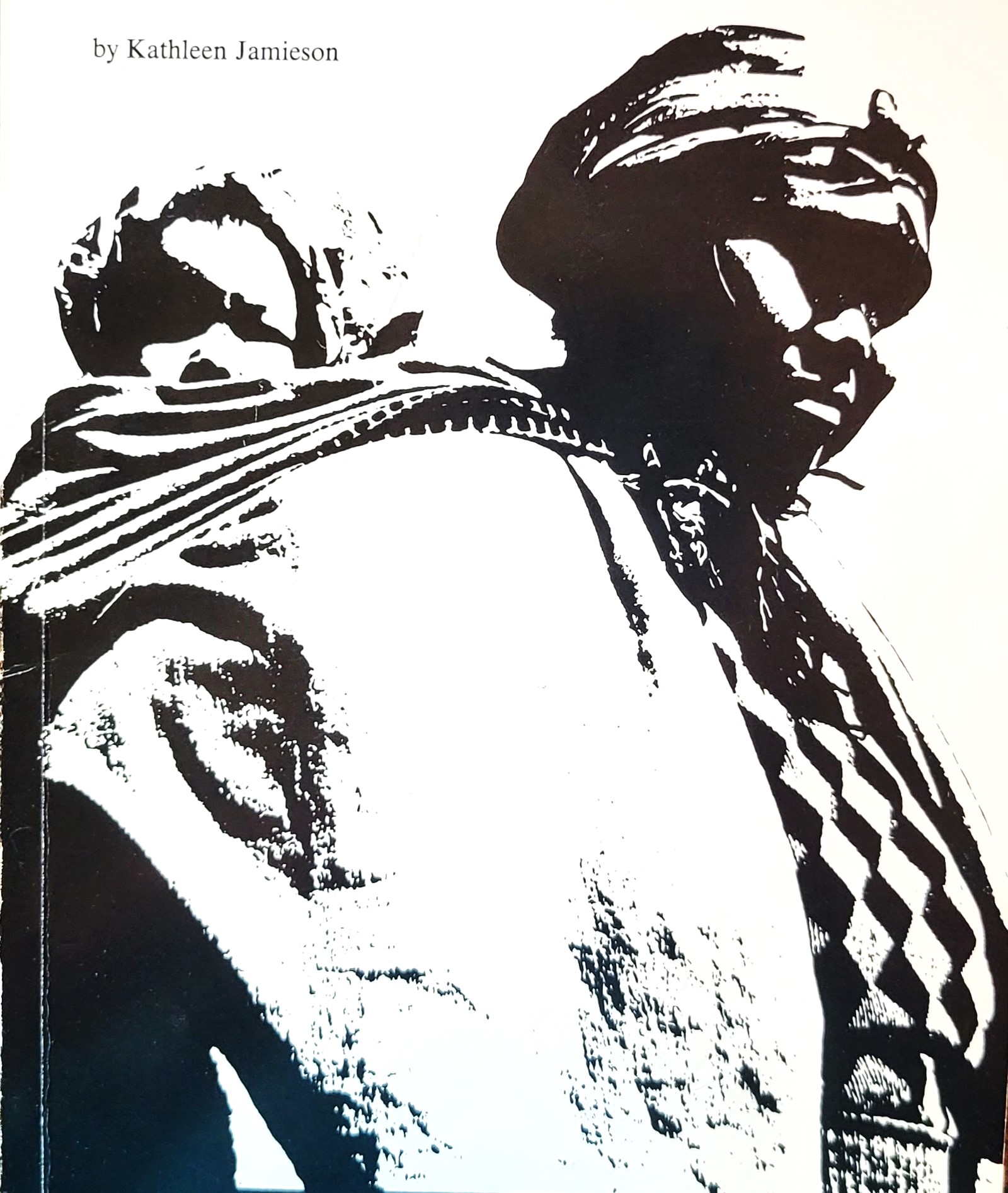
Front cover of the unprecedented publication by Kathleen Jamieson,
with the Advisory Council on the Status of Women,
and Indian Rights for Indian Women, 1978.
It is a comprehensive review of the processes to amend the Indian Act, particularly concerning women, from the 1850s to the 1970 Act.
Women challenge loss of Indian Status in the courts and at the podium
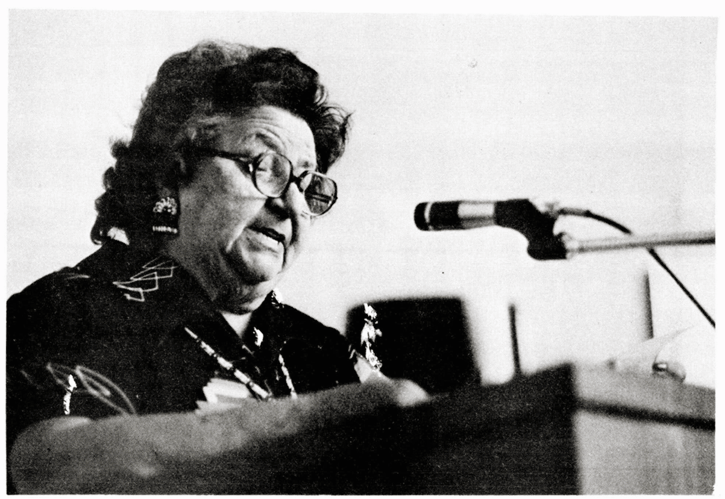
Mary Two-Axe Earley, Vice-President of Indian Rights for Indian Women, speaking to the Standing Committee of 1982. This image from The Indian News, Department of Indian Affairs, appears in the paper, “Multiple Jeopardy,” by Kathleen Jamieson.
“We are stripped naked of any legal protection and raped by those who would take advantage of the inequities afforded by the Indian Act.
We cannot be buried beside the mothers who bore us and the fathers who begot us, although dogs from neighbouring towns are buried on our reserve land.
We are subject to eviction from the domiciles of our families and expulsion from the tribal roles.
We must forfeit any inheritance or ownership of property.
We are divested of the right to vote.
We are unable to pass our Indian-ness and the Indian culture that is engendered by a woman in her children.
We live in a country acclaimed to be one of the greatest cradles for democracy on earth, offering asylum to refugees while, within its borders, its native sisters are experiencing the same suppression that has caused these people to seek refuge by the great mother known as Canada.”
Cases:
1999 Human Rights Committee
19. The Committee is concerned about ongoing discrimination against aboriginal women. Following the adoption of the Committee’s Views in the Lovelace case in July 1981, amendments were introduced to the Indian Act in 1985. Although the Indian status of women who had lost status because of marriage was reinstituted, this amendment affects only the woman and her children, not subsequent generations, which may still be denied membership in the community. The Committee recommends that these issues be addressed by the State party.
– Concluding observations of the Human Rights Committee, 65th Session – Canada. April 7, 1999. CCPR/C/79Add.105.
Assimilation and Denial
1964 “The Indian in Transition” government pamphlet
A publication of the Government of Canada. Released in tandem with the Hawthorn Report (a study on off-Reserve Status Indians, and exploration of increasing provincial roles in assimilation, devolution of service delivery off-reserve, and dispossession from federal obligations.)
1966 The Hawthorn Report – Part 1a
A federally commissioned study into the statistics of out-migration from Indian Reserves, and reducing federal responsibilities by engaging provincial service and programs such as welfare, housing, etc. An excerpt from page 209:
“It is evident, therefore, that existing trends strongly support the policy of extending
provincial services to Indians providing suitable arrangements can be made with the provinces
and Indians are in favour of such changes. Public and parliamentary support for this policy is
found in the 1946-48 Special Joint Committee of the Senate and the House of Commons
appointed to examine and consider the Indian Act and in the representations made to the
Committee. Strong advocacy of this policy can also be found in the representations before the
1959-61 Joint Committee of the Senate and the House of Commons on Indians Affairs and in the
Committee’s recommendations.1″
Hawthorn Report – Part 1b
An excerpt from the summary:
“In 1847 Commissioners Rawson, Davidson, and Hepburn, in a Report on the Affairs of
the Indians in Canada, submitted to the Legislative Assembly, came to the conclusion “that the
true and only practicable policy of the Government, with reference to their interests, both of the
Indians and the community at large, is to … prepare them to undertake the offices
and duties of citizens; and, by degrees, to abolish the necessity for its farther interference in their
affairs.”
More than a century later, in July, 1964, the Indian Affairs Branch declared that “the basic
objective of the Federal Government in Indian Administration is to assist the Indians to participate
fully in the social and economic life of Canada.”
Something has gone wrong.”
Hawthorn Report – Part 2
1975 Barber Commission
“Indian claims commissioner Dr. Lloyd Barber startled and delighted delegates to the annual meeting of the Native Council of Canada on Tuesday when he told them he believes Metis and non-status Indians possess aboriginal and land rights.
“And I will do everything in my power to see that they are recognized,” Barber told the Council, the national organization for an estimated 750,000 Metis and non-status Indians.
Barber’s statement that aboriginal and land rights of Metis and non-status Indians “are well established in Canadian law” was the first time anyone with authority in Ottawa has backed native people outside the Indian Act.
From “Commissioner lauded,” Daily Colonist, Victoria, BC, June 11, 1975. Report from Charlottetown by the Canadian Press wire service.
1981 Census of Native People in Canada
census discrepancies reveal 2.5 million missing Indians.
The Native Council of Canada joined with provincial-territorial organizations to marshal their approach to the impending constitutional process.
Since Non-Status Indians had no representation with the National Indian Brotherhood (AFN) and no formal recognition by Ottawa, they had formed their own organizations to advocate for the restoration of Indian Status and, most importantly, the restoration and recognition of Indigenous Peoples’ rights to their own land and governance – which would bring the question of status and membership back to the Peoples themselves.
As part of their work to identify and represent themselves, a major review of population surveys was commissioned by NCC in 1983. The Government of Canada’s 1981 census had reported unbelievably low numbers for Metis and Non-Status Indians. They compared that report with numbers from other sources.
The study commissioned by the Native Council of Canada revealed that the government’s estimations of the populations of Status Indian, Metis, Non-Status Indian, and Inuit Peoples varied by Department, to an official enumeration gap of 2,500,000 people:
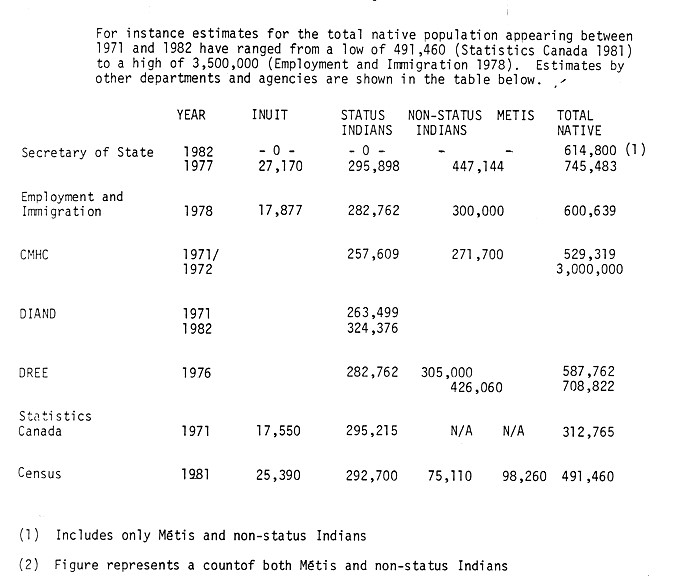
1994 UNN – Endangered Peoples Presentation to First Nations Summit
Presented by United Native Nations President Dan Smith:
“THE FUTURE: The Year 2000. Your grandchild He asked me, who are you, what Nation do you belong to? What did you say? I said I was a citizen of no Nation. I told him that I was a creation of the Indian Act. Stripped of my identity, my birthright and my citizenship because I could not be legally registered as an Indian. I am a by-product of various pieces of legislation and policies that date back to the 1840’s when the British colonial government formally took steps to assimilate and civilize us; to legislate our Nations out of existence.”
Daniels v. Canada 2016
For 25 years, Harry Daniels fought for the right of Non-Status Indians to be recognized as Indigenous people: entitled to consultation and accommodation, and with rights to the land, governance, and socio-economic activities protected against encroachment.
After his death, Daniels’ son saw the case through to a partial success in 2016.
1982-87 Canada Constitution – conferences
Introduction
Section 37 of the 1982 Constitution Act required Canada to convene a Constitutional Conference to elaborate the meaning of Section 35 concerning Aboriginal rights. This is because they were not defined, except as “existing.” While the “existing” Aboriginal rights were described in previous constitutional instruments such as the Royal Proclamation of 1763 (which was imported in its entirety into the 1982 constitution), recognition of those existing rights in a positive, descriptive manner was required by Britain’s House of Lords, on assenting to the patriation of a Canadian Constitution.
The First Minsters Conferences were held in 1983, 1985, and 1987. Aboriginal Peoples fully expected to come to a new working relationship with Canada during this process, and arrive at a full recognition of the Peoples’ rights which would be entered in Canada’s constitution by amendment. Only in 1985 were Aboriginal Peoples well-represented at the conferences.
The following documents pertain to that process.
1983
1983 First Ministers Conference – Canada’s background docs
United Native Nations Constitutional Process 1984/85 – Workplan
1985
Canada’s First Ministers Conference on Aboriginal Constitutional Matters – Indian Self-government.
April 2 1985
Verbatim transcript of Morning Sessions. Featuring remarks from:
MR. DAVID AHENAKEW (Chief, Assembly of First Nations); MR. ZEBEEDEE NUNGAK (Inuit Committee on National Issues); MR. JOHN AMAGOALIK (Inuit Committee on National Issues); MR. (SMOKEY) BRUYERE (President, Native Council of Canada); SAM SINCLAIR (President, Metis Association of Alberta); KEVIN DANIELS (Metis National Council); others
Verbatim transcript of Afternoon Sessions. Featuring remarks from:
MR. GEORGE WATTS (Assembly of First Nations); MR. HAROLD CARDINAL (Prairie Treaty Nations Alliance); CHIEF SOLOMON SANDERSON (Assembly of First Nations); MR. HARRY W. DANIELS (Vice-President, Native Council of Canada); MR. ZEBEEDEE NUNGAK (Inuit Committee on National Issues); HON. JOHN CROSBIE (Canada); MR. JIM SINCLAIR (President, Association of Metis and Non-Status Indians, Saskatchewan); MR. LOUIS (SMOKEY) BRUYERE (Native Council of Canada); JOHN AMAGOALIK (Inuit Committee on National Issues); MR. JOE COURTEPATTE (President, Alberta Federation of Metis Settlement Associations, Metis National Council); MR. FRED HOUSE (President, Louis Riel Metis Association, British Columbia); HON. WILLIAM BENNETT (BRITISH COLUMBIA)
1985 Bill C-31 – An Act to Amend the Indian Act
Introduction to Bill C-31 and reinstatement in the Registrar of Status Indians
Canada invoked its Charter of Rights and Freedoms along with its 1982 Constitution Act. The Charter, to come into effect April 17, 1985, purported to end sexual discrimination in Canada. This had major consequences for the Indian Act, which discriminated severely against women: often preventing them from passing Indian Status to their children, among other disadvantages.
Bill C-31 was understood to address this kind of discrimination, to bring the Indian Act into conformity with the Charter, as well as reinstating tens of thousands of people who had not been, and could not be, registered as Status Indians for a complex web of “reasons” – all of which come back to Canada’s ongoing attempt to dispossess Indigenous Peoples of their land and rights, in this case, by refusing recognition of the individuals themselves. These further reasons are discussed in depth in the presentations shown here.
The federal government’s “consultation process” concerning the legislation was dismal. At the end, on March 20, 1985, the parliamentary Standing Committee actually cut off the speakers list addressing Bill C-31 because the vote on the Bill was occurring that afternoon.
Huge efforts, resulting in clear, consistent and actionable recommendations by dozens of organizations and Native communities from coast to coast to coast had been provided to the Standing Committee. They just were not heeded. On June 12, 1985, a totally inadequate Amendment to the Indian Act was legislated: it caused about as many new problems as it had been created to solve. For one thing, it now refused recognition of Indian Status as a function of Indian Band membership.
Inequalities and inadequacies related to citizenship in Indigenous Nations persist to this day, with Canada refusing to recognize the internationally protected right to self-determination, and only recognizing the federal Registrar as the authority on Indian Status. These injustices are present throughout each version of the Indian Act, some of which are provided on this page for reference.
The following documents pertain to the brief process during which Bill C-31 was tabled, discussed, and legislated; and then to the fallout that ensued.
Analysis of the 1984 draft Act to Amend the Indian Act
Commissioned by Peter Manywounds, Deputy to the National Chief of the Assembly of First Nations
Excerpt:
“On April 17, 1985, s.15 of the Charter comes into force and there is a consensus that this will expose the discriminatory provisions of the Indian Act to a successful legal challenge. The previous Liberal government did not want to face the uncertainty resulting from a judicial ruling…
“With less than seven months to go until the April cut-off date, it is essential that the AFN develop and quickly implement a strategy so as to ensure that the fundamental principles it espouses are reflected in any new legislation.”
Indian Act Draft Amendments – AFN & NWAC 1984
This doc is a working draft being prepared as a recommendation to the government of Canada for revision of the Indian Act. The “Act to Amend the Indian Act,” passed in1985, did not include many paragraphs of this proposed text. The “Act to Amend” was intended to remove discriminatory provisions before the April 17, 1985 deadline – at which time the Canadian Charter (part of the 1982 Canada Constitution) would come into effect.
Dene Nation to Canada re. Bill C-31
1984 memo: “…we are concerned that the legislation should provide that reinstatement be accompanied by the ability of bands to access an increased land base.”
AFN resolution to “remove discrimination”
May 1984, Edmonton
““Whereas the Federal Government has, over the past century, imposed citizenship termination and restrictive policies on our tribal nations without our consent; …”
1985
Parliamentary Standing Committee on Indian Affairs – Bill C-31, An Act to Amend the Indian Act
The following documents are part of direct presentations to and meetings of the Parliamentary Committee on C-31
Indian Homemakers Association of BC – Report on Workshops re Bill C-31, February 1985

United Native Nations Presentation to the Standing Committee, March 1985
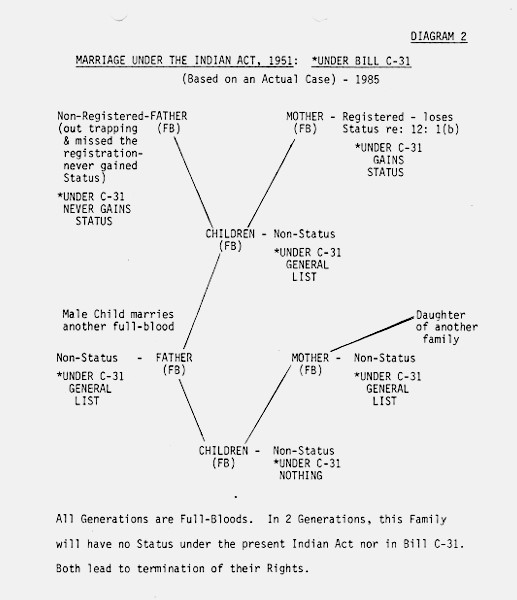
Minutes of Proceedings, Parliamentary Standing Committee, March 1985
Witnesses to the Standing Committee presented detailed accounts of the impact of enfranchisement, which refers to removal of Indian Status with the federal Registrar.
Proceedings of March 19 and 20 1985.

Legislation of Bill C-31
With virtually no reflection of the recommendations made by Indigenous organizations.
Bill C-31 An Act to Amend the Indian Act, June 12 1985
Changes to Band Membership and Right to Register, August 1985
After the changes of Bill C-31 were legislated in a change to the Indian Act, reinstating tens of thousands of enfranchised Non-Status Indians and their families, the Department of Indian and Northern Affairs released a handbook on new Indian Act rules about Band membership.
Bill C-31 dislocated the right to register individuals as Status Indians from Indian Band authority.
The process of enumeration and Reinstatement
The United Native Nations, on the advice of 1,400 members present at the 1984 AGM, was perfectly positioned to assist the federal government in the reinstatement process. The following is a letter to that effect. It was never taken up by the government.
Broken Promises. Report to Parliament on Bill C-31 and the new Indian Act Dec.10.1987 Native Council of Canada
1991-92 Charlottetown Constitutional Amendment
Introduction
With the failure of the First Ministers Conferences of the 1980s to positively identify the Aboriginal rights mentioned in the 1982 Constitution Act, Section 35, two new rounds of constitutional amendment began. The first, the “Quebec Round” led to the Meech Lake Accord which was filibustered by Elijah Harper in 1990, and there met its end. Quebec’s constitutional status has still not been reconciled. The second, the “Aboriginal Round,” was supposed to positively enshrine the right to self-government (not to be confused with Indian Status and Bill C-31).
A unanimous amendment was achieved by the First Ministers (Premiers of the provinces and territories), the federal government, the Assembly of First Nations / National Indian Brotherhood, the Inuit Tapiri, the Metis, and the Native Council of Canada / Congress of Aboriginal People. This amendment was put to a referendum. At the last minute, the rules of voting-in the amendment were altered, and the amendment did not pass the new formula for ratification. the Charlottetown Accord, as this round was known, failed.
The following documents pertain to development of the Charlottetown Accord and the objective of enshrining Indigenous self-government in the Canadian Constitution.
Native Council of Canada Constitutional Review Commission

1992
“Identity Rights and Values” Conference Toronto 1992
Ron George, President, Native Council of Canada, to the Policy Conference on “Identity, Rights and Values, ” Feb . 6-9, Royal York Hotel, Toronto. 1990. Speaking notes.
Excerpt: “The Native Council of Canada welcomes this long-overdue opportunity to find our place within Confederation. And as we have said over and over again, our participation in the mainstream of this country must be based on our inherent rights to self-government. participation also requires our full consent. A lot has been said lately about how Canada’s Aboriginal peoples are asking to be given Our inherent right first, and then explain what it means later. This is not quite true. If it helps, let me tell you now what we mean by the word “inherent, ” before it threatens people like the word “distinct” has threatened some people with regard to Quebec society. What we mean by our inherent right to self-government is very simple. By “inherent, ” we mean our rights are inherited. Our rights come from our ancestors, the Creator, from the land itself. Our rights are our inheritance. Unlike non-native Canadians, our rights do not come from European sources.”
News Articles re. Indian Status
Provincial and Territorial Organizations – memos 1980s
Royal Commission on Aboriginal Peoples 1990-96
With the failure of Bill C-31 and the First Ministers Conference, and the dubious parameters of the Charlottetown Accord…
…there was a lot of leftover momentum which Indigenous organizations, from coast to coast to coast, had gained in unifying and organizing in good faith to hold their place against Canada’s attempt to assimilate them and their lands as part of confederation – without their participation in the process.
The opportunity of the new Constitution led nowhere, except to distract and divide leadership on the ground, and now roadblocks and resistance which had appeared throughout the 1980s led to a trans-continental well of support for the Mohawk people at Kahnawake when they stood their ground against desecration at Oka. Actions to disrupt the colonizing and extractive development of Canada were widespread, and the platform of betrayal, political bad faith and refusal of recognition, racist violence, inequality, displacement, environmental devastation, and denial of title and rights had grown to epic proportions.
In 1990, the Canadian government called for a Royal Commission on Aboriginal Peoples. Its mandate was weak. It eventually produced some thousand recommendations. The following papers were contributed to the process, among thousands, but they are here to illuminate specific issues.
Papers prepared for RCAP:
1995
“Current practice in financing Aboriginal governments: An overview of three case studies prepared for the Royal Commission on Aboriginal Peoples.”
Focusing on the United Native Nations, Kativik Regional Government, and Siksika Nation.
Prepared by Macqueen Public Policy Analysis and Communications, For the Institute of Intergovernmental Relations, Queen’s University
1993
Committee on Aboriginal Health, British Columbia Medical Association
June 3, 1993 Presentation to RCAP in Vancouver
“The BCMA believes the land issue must be settled. …The most cogent reason for this is the poor health status of aboriginal people. … The BCMA believes there is a clear link between physical ill-health, psychiatric ill-health and loss of self respect and identity, both personal and culutural.”
RCAP’s Final Report, in its many volumes, are available online.
Off-reserve voting and elections
1999
The Corbiere decision, Supreme Court of Canada, 1999
This decision restored the right of people “not ordinarily resident on reserve” to run for office and vote in band elections.
Corbiere (Batchewana) decision: AFN response plan

Sectoral Agreement Strategy
Introduction
Native jurisdiction, land ownership in Indigenous forms, and rights of governance have been split apart for “reconciliation” in Canadian legislative silos; been minimized or dismissed altogether; been constructed in the mainstream narrative and in the language of negotiation as if to be unproven and hypothetical sui generis concepts; and made “legally” impracticable by the colonial courts which assume the right to displace the native jurisdiction.
Downstream of these assumptions, “jurisdiction” for First Nations is treated as a municipal power when it is constituted and delegated by the federal government to an incorporation of the First Nation: that is, to an entity formed under the Indian Act – which uses Indian Act mechanisms to ratify and consent to replacement legislation such as the Westbank Self-Government Act 2003; the First Nations Fiscal Management Act 2005; programs under the Inherent Right Policy, 1995; the First Nations Land Management Act 1998; or An Act Respecting First Nations Children and Families 2021; for example. There are several others.
In these legislated “accommodations” of Aboriginal rights, land ownership is reduced to fee-simple titles issued by the crown’s Provincial Lands offices. “Self-government” is circumscribed by government policy, and the release of all kinds of rights and future claims is required to enable First Nation participation under the various legislative templates provided.
While the Canadian legislative instruments do not mention these forms of surrender, the Agreements themselves to opt-in to exercise municipal powers under the legislation all include equivalent paragraphs: “X First Nation promises not to assert self-determination;” “X First Nation agrees that its economic interests have been accommodated;” “X First Nation releases and indemnifies any person for past harm;” “disputes under the agreement will be referred to the BC Supreme Court for final determination;” “X First Nation will uphold all acts of Canadian Parliament on First Nation Lands;” et cetera.
The Following is quoted from CIRNAC:
Sectoral Legislative Arrangements:
Sectoral Legislative Arrangements:
Since the mid-1990s, a number of sectoral arrangements under the Indian Act regime have been successfully concluded with some First Nations. The process for sectoral arrangements begins with specific proposals by First Nations wishing to take on new or expanded law-making and/or other authorities within the purview of federal powers under section 91 of the Constitution Act, 1867. Section 91 outlines the areas of exclusive federal jurisdiction and provides the federal crown with exclusive jurisdiction to legislate in relation to “Indians and lands reserved for the Indians“.
The aim of sectoral arrangements is to create or expand governance authorities for Band Councils that are not provided for under the Indian Act. Participating Bands remain subject to the Indian Act, except where the sectoral agreement provides otherwise.
The following sectoral arrangements have been successfully concluded with First Nations:
First Nations Land Management Act (FNLMA)
The FNLMA, enacted in 1999, allows participating First Nations to opt out of the 34 land related sections of the Indian Act and manage their land, resources and environment under their own land codes.
The FNLMA is the formal legislation ratifying the Framework Agreement on First Nation Land Management (Framework Agreement). The Framework Agreement requires that First Nations develop a land code setting out the basic rules for the new land regime, including environmental assessment and protection and matrimonial real property laws on reserves. This lays the groundwork for expanded economic development on reserves and business partnerships with the private sector.
With 14 original signatory First Nations in 1996, there are now over 30 First Nations operating under the Act and more than 70 that have expressed interest in opting into the Regime. Budget 2011 committed to reallocating up to $20 million in funding over two years which will allow for new entrants into the Regime.
First Nation Property Ownership Act (FNPOA)
In a pre-budget presentation to the House of Commons Standing Committee on Finance on 15 September 2009, Manny Jules, Chief Commissioner of the First Nations Tax Commission, proposed legislation which he referred to as the First Nation Property Ownership Act (FNPOA).
The FNPOA would allow First Nations to opt out from the reserve land system of the Indian Act; transfer title from the federal government to First Nations governments; and allow First Nations to move to a Torrens land title system.
The proposed legislation has received preliminary support from some First Nations and First Nations organizations, and is being examined in partnership with Aboriginal Affairs and Northern Development Canada (AANDC).
First Nations Fiscal Management Act (FNFMA)
The FNFMA, sponsored by and jointly developed with a number of First Nations, was enacted in 2005 and provides First Nations with the practical tools available to other governments for modern fiscal management by enhancing First Nation property taxation, creating a First Nation bond financing regime and supporting First Nation capacity in financial management.
The legislation supports First Nation economic development and well-being and enables First Nations that choose to use the services of the institutions to participate more actively in the Canadian economy.
First Nations Oil and Gas and Moneys Management Act (FNOGMMA)
The FNOGMMA was enacted in 2005 as optional legislation that allows First Nations to opt out of the moneys management provisions of the Indian Act and provides for the release of capital and revenue moneys for the management and control of the First Nation.
This legislation provides First Nations the option to manage moneys currently held in trust for them by Canada. First Nations can also opt to manage and regulate on-reserve oil and gas activities. Under the FNOGMMA regime, First Nations can choose to opt in to one or both of these options.
The Act was developed in partnership with the White Bear First Nation in Saskatchewan, and the Blood Tribe and Siksika First Nation in Alberta.
First Nations Commercial and Industrial Development Act (FNCIDA)
FNCIDA came into force in 2006 and addresses regulatory gaps for First Nation commercial and industrial development on-reserve by enabling the federal government, at the request of a First Nation, to develop regulations that mirror a provincial regime for specific commercial and industrial development projects on reserve lands.
The Act was developed by the federal government and five partnering First Nations (Squamish Nation, Fort McKay First Nation, Tssu T’ina Nation, Kettle First Nation and Fort William First Nation).
In 2010, INAC amended the FNCIDA through the First Nations Certainty of Land Title Act (FNCLTA) to permit the registration of on-reserve commercial real estate developments in a system that replicates the provincial land titles or registry system. First Nations that make use of the new legislative tool ensure their on-reserve real estate developments benefit from greater certainty of land title, making the value of these properties comparable to similar properties off reserve land.
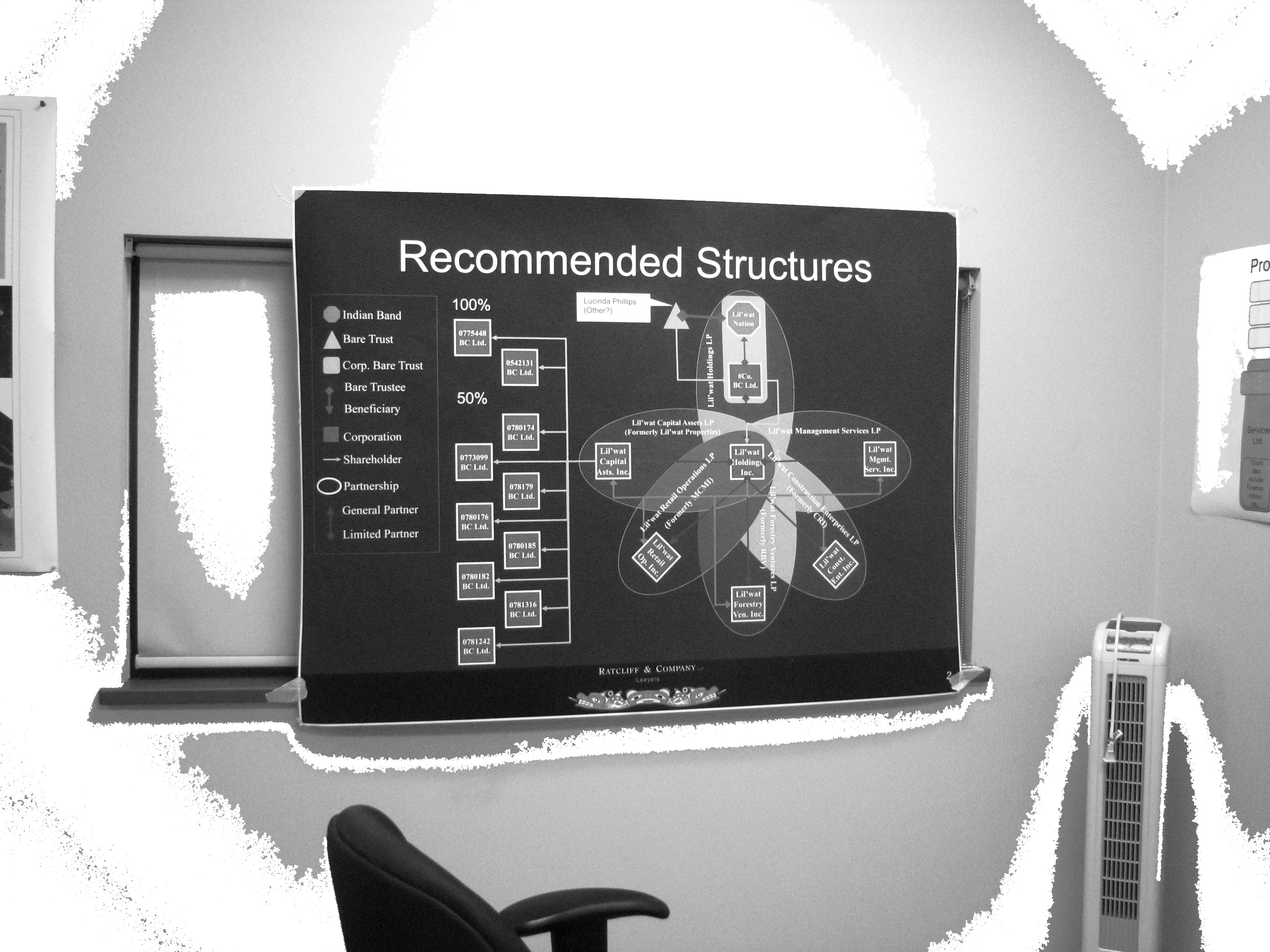
The Indian Act 1876, and all of its subsequent amendments, was legislated over Indigenous Peoples, many of whom had Treaties with Britain, while Canada lacked jurisdiction in their unceded or reserved territories.
Today, Canada holds the Indian Act in place while attempting to gain the right to legislate over Indigenous Peoples by Agreement – and ultimately by coercion.
Withholding funding for services that Canadian citizens enjoy, and denying Title and Rights, the government offers program funding in exchange for voluntary extinguishment under the non-assertion, surrender, and modified rights models.
The intended result is the same as it was described in 1857, 1869, 1876, 1948, 1969, 1982: municipalization of First Nations in a corporate structure underlined by a corporate “constitution” written in English and empowered by federal and provincial laws.
The Canada Gazette on Education Jurisdiction Agreements
The Canada Gazette, which records all legislation, describes the “Canada-BC First Nations Education Jurisdiction Act” as fulfilling some of the promises of the CanDRIPA. The Gazette describes two outcomes, defined by the federal government under CIRNAC (DIA), as indicators of success for the Education agreements. They are: 1) the number of treaties and final agreements being signed by First Nations in BC; and 2) the number of communities which have concluded treaties.
Extinguishment Legislation by Sector
1995 Inherent Right Policy
“Approaches to Implementation of the Inherent Right and the Negotiation of Aboriginal Self-Government”
“The Government of Canada recognizes the inherent right of self-government as an existing right within section 35 of the Constitution Act, 1982. It has developed an approach to implementation that focuses on reaching practical and workable agreements on how self-government will be exercised, rather than trying to definec it in abstract terms. The Government believes that this approach is flexible and will allow all interested parties to make meaningful progress in the realization of Aboriginal self-government.”
Canada’s new policy on Aboriginal self-government follows the scuttled Charlottetown Accord. It is dubbed the “self-termination” strategy by Native sovereigntists, because traditional authorities are replaced by Canadian-made governance structures, with a ratification process to formally consent to be governed by Canadian law, and import the relevant statutes over themselves, as an “extinguishment by agreement” model. The BC Treaty Commission’s newsletter explains the new policy this way: “The inherent right of self-government does not include a right of sovereignty as it is understood in international law. All First Nations exercising self-government will remain part of Canada, contributing to the Canadian federation…. In BC, the government.. is negotiating self-government agreements as part of the BC Treaty Commission process. These agreements will result in practical arrangements which will meet the interests of all parties at the negotiating table. …while ensuring that First Nations governments are firmly within the Canadian legal and constitutional fabric.”
1996, December 10 – First Nations Lands Management Framework Agreement.
Thirteen Bands enter an experimental application of the new Land Code system, where chapters of the Indian Act dealing with land tenures are suspended. This Framework creates the basis for the First Nations Land Management Act, 1999, the first sectoral approach to replacing the Indian Act with Canadian legislation that is consented to by a First Nation.
1996, December 12 – Optional Modification Act.
Indian Affairs Minister Ron Irwin tabled a general amendment to the Indian Act, which included a new way to eliminate the Indian Act: by Indigenous consent to be governed by other Canadian legislation.
Bill C-79, the Indian Act Optional Modification Act, proposed amendments to numerous sections of the Indian Act. There were new paragraphs to require a Chief to be a voting member of the Band; to give Bands additional authority over natural resources “such as hay, wild grass, wild rice and shrubs, thus expanding First Nations management of natural resources;” an increase of fines under Band by-laws from $1,000 to $5,000.
But the new section of consequence was that Indian Bands would have the same rights as natural persons, for instance to sue and be sued, which would in effect give Indian Act Bands a corporate character. The corporate structure was being pursued through several ways at once, including the simultaneous Land Management Framework Agreement..
The Assembly of First Nations called an emergency meeting about Bill C-79 for December 19, identifying the problem that community ratification would not be necessary in order to “opt-in” to the optional legislation and make this change of legal character. Note that it is an early and continuing piece of the Indian Act legislation that an elected Chief and Council can pass any motion with a Band Council Resolution, which does not even require notice to the membership. The AFN pointed to the facts that there would be no “opt-out” procedure following the Minister’s “optional” paragraphs.
Meanwhile, the first experimental voyage in the Sectoral Agreement Strategy was launched with the Framework Agreement.
1999 First Nations Land Management Act (FNLMA)
The FNLMA, enacted in 1999, allows participating First Nations to opt out of the 34 land related sections of the Indian Act and manage their land, resources and environment under their own land codes.
The FNLMA is the formal legislation ratifying the Framework Agreement on First Nation Land Management (Framework Agreement). The Framework Agreement requires that First Nations develop a land code setting out the basic rules for the new land regime, including environmental assessment and protection and matrimonial real property laws on reserves. This lays the groundwork for expanded economic development on reserves and business partnerships with the private sector.
With 14 original signatory First Nations in 1996, there are now over 30 First Nations operating under the Act and more than 70 that have expressed interest in opting into the Regime. Budget 2011 committed to reallocating up to $20 million in funding over two years which will allow for new entrants into the Regime.
In order to achieve this transition, the Band membership must vote the Chief and Council – meaning, the Indian Act governing structure – full powers of authority over its lands. This action of consent to be governed, and consent to the governing structure, legitimizes the arbitrary system and can be interpreted to surrender and exclude traditional forms of governance and land ownership.
A First Nation develops a “Land Code” establishing its laws in regard to land management. An Agreement under the Act transfers authority to the First Nation council to pass laws for the development, protection, use and possession of its “First Nation Lands,” and to issue leases, licences and regulations.
A separate Agreement with Canada provides operational funding for land management and transition from the Indian Act.
A community approval process of the Land Code, funding, and transition agreements creates consent to the assimilated regime. A “Lands Advisory Board” is constituted as the elected authority to lead this and future lands processes.
This procedure appears to transform the Band’s “lands reserved for Indians” into “First Nation Lands,” which are now held as per the new Agreement.
Regarding the liability of Canada for acts or omissions in relation to First Nation land, Canada is indemnified by the First Nation for any resulting loss, in the terms of the Agreement.
Ottawa describes these Agreements as “operational documents,” not a treaty, without constitutional protection under section 35 of the Constitution Act, 1982. While the ratification procedure surrenders traditional controls over land to the new First Nation authority, the Minister remains paramount.
Land codes must include a legal description of the land involved; the rules and procedures that apply to the use and occupancy of First Nation Lands: for example, under licences and leases, under interests held pursuant to allotments under subsection 20(1) of the Indian Act, or pursuant to custom; rules prescribing the method of transfer of any interest in land; rules regarding revenues from natural resources; reporting and accountability to First Nation members for the management of land and moneys derived from First Nation Lands; provisions for law-making, dispute resolution, expropriation, delegation of management authority, amending the land code, community consultation, and for the division of interests in land in cases of divorce.
With a Land Code, a First Nation can borrow against its interests in the lands described in the Agreement.
2002 The First Nations Governance Act (Bill C-7)
In 2002, the federal government again initiated a major overhaul of the Indian Act with the introduction of the proposed First Nations Governance Act (Bill C-7).
Bill C-7 was aimed at addressing fundamental aspects of Band governance and would have provided Band Councils with: expanded authorities to develop their own laws (codes) in respect of leadership selection; the administration of government and financial management and accountability; expanded law-making authorities in a number of other subject-matter areas; as well as removal of ministerial oversight powers in several areas.
The initiative was led by the Minister of Indian Affairs and Northern Development and a lengthy consultation process was undertaken with First Nation communities across the country prior to the development and tabling of the Bill. However the proposed Act was met with opposition from Chiefs and provincial/territorial First Nation organizations across the country, as well as from the Assembly of First Nations and died on the Order Paper with the prorogation of Parliament in November 2003.
2004 Forest and Range Agreements
Following the double Supreme Court of Canada ruling in Haida and Taku River Tlingit, BC and Canada pursued a new strategy: recognizing Indian Act Band Chief and Councils as authorities over the entire traditional territory of Indigenous Nations. Before that, Indian Act Bands were only empowered over Indian Reserves.
The ruling had clarified and confirmed that governments must consult with Aboriginal peoples before taking actions that might affect their unproven, claimed rights. The governments solved this problem by making Band Councils responsible for “consulting” their own people, and agreeing to be “accommodated” in areas where the People’s title and rights were about to be impacted.
The “Forest and Range Agreement” was the first model of extinguishment by accommodation presented by Canada and BC. A First Nation (the Band Council) would warrant that its economic rights to the land had been accommodated in order to receive a per-capita share of logging that was about to proceed. This all happened before logging plans were finalized.
2004 report of the UN Human Rights Committee
“22. The Committee notes with concern that the Canadian Human Rights Act cannot affect any provision of the Indian Act or any provision made under or pursuant to that Act, thus allowing discrimination to be practised as long as it can be justified under the Indian Act.
“The State party should repeal section 67 of the Canadian Human Rights Act without further delay.”
2005 First Nations Fiscal Management Act (FNFMA)
The FNFMA, sponsored by and jointly developed with a number of First Nations, was enacted in 2005 and provides First Nations with the practical tools available to other governments for modern fiscal management by enhancing First Nation property taxation, creating a First Nation bond financing regime and supporting First Nation capacity in financial management.
The legislation supports First Nation economic development and well-being and enables First Nations that choose to use the services of the institutions to participate more actively in the Canadian economy.
The price: consent to be governed.
2005 First Nations Oil and Gas and Moneys Management Act (FNOGMMA)
The FNOGMMA was enacted in 2005 as optional legislation that allows First Nations to opt out of the moneys management provisions of the Indian Act and provides for the release of capital and revenue moneys for the management and control of the First Nation.
This legislation provides First Nations the option to manage moneys currently held in trust for them by Canada. First Nations can also opt to manage and regulate on-reserve oil and gas activities. Under the FNOGMMA regime, First Nations can choose to opt in to one or both of these options.
The Act was developed in partnership with the White Bear First Nation in Saskatchewan, and the Blood Tribe and Siksika First Nation in Alberta.
2006 First Nations Commercial and Industrial Development Act (FNCIDA)
FNCIDA came into force in 2006 and addresses regulatory gaps for First Nation commercial and industrial development on-reserve by enabling the federal government, at the request of a First Nation, to develop regulations that mirror a provincial regime for specific commercial and industrial development projects on reserve lands.
The Act was developed by the federal government and five partnering First Nations (Squamish Nation, Fort McKay First Nation, Tssu T’ina Nation, Kettle First Nation and Fort William First Nation).
In 2010, INAC amended the FNCIDA through the First Nations Certainty of Land Title Act (FNCLTA) to permit the registration of on-reserve commercial real estate developments in a system that replicates the provincial land titles or registry system. First Nations that make use of the new legislative tool ensure their on-reserve real estate developments benefit from greater certainty of land title, making the value of these properties comparable to similar properties off reserve land.
2006 First Nations Fiscal and Statistical Management Act
This Act is an elaborate financial code, providing for a First Nation’s management – and the Minister’s management – of all band monies coming in, held, or spent.
The Act established the First Nations Tax Commission, which “regulates, supports and advances” taxation on-reserve, and the First Nations Finance Authority, which mobilizes loan funding to First Nations and creates a legal and institutional framework mirroring the financial structures of other levels of government.
A band can opt-in to this legislation, replacing sections of the Indian Act relating to monies.
In 2012, in the Jobs and Growth Act, the title was changed to:
“An Act to provide for powers of First Nations respecting taxation, financial administration and the provision of services on reserve lands, to facilitate First Nations’ access to financing secured by local revenues or other revenues, to establish a First Nations Tax Commission, First Nations Financial Management Board, First Nations Finance Authority and First Nations Infrastructure Institute and to make consequential amendments to other Acts”
It has paragraphs like this:
“4 The council of a First Nation may not make a law under paragraph 5(1)(d) or 8.1(1)(a) until the council has made a law respecting the financial administration of the First Nation under paragraph 9(1)(a) and that law has been approved by the First Nations Financial Management Board.”
And,
(3) If, after conducting a review, the Commission considers that a First Nation has not complied with a regulation…
(4) (b) …may, if the First Nation does not remedy the situation within the time set out in the order, by notice in writing, … impose a co-management arrangement on the First Nation or assume third-party management to remedy the situation.”
This Act provided for itself to override existing First Nation or Band bylaws:
“Conflict with other laws
138 (1) In the event of a conflict between a local revenue law or a law made under subsection 97(1) … or a code made by a First Nation under another Act of Parliament, the Act, regulations or code prevails to the extent of the conflict.”
2007 Canada – First Nations Jurisdiction over Education in British Columbia Act
The Act provides for a First Nation to enter a “BRITISH COLUMBIA – [NAME OF FIRST NATION] EDUCATION JURISDICTION AGREEMENT.”
According to the terms, the First Nation agrees not to assert their rights, in exchange for the funding in the agreement.
It specifies,
“11.9 – If the Participating First Nation initiates the implementation of the inherent right to self-government on its own initiative… the Parties will meet to discuss whether this Agreement [i.e., the funding and school operations] will need to be amended, replaced or terminated”.
In the definitions, we find that “jurisdiction means the Participating First Nation’s law-making authority, described in this Agreement.”
The “right to establish their educational systems and institutions” is now defined by and limited to the agreement.
The First Nation’s school is now completely integrated within the provincial system.
“The Participating First Nation will provide Education to Students who are:
a) not Ordinarily Resident on First Nation Land or Another First Nation’s Reserve; or
b) Ordinarily Resident on First Nation Land or Another First Nation’s Reserve on lands developed primarily for commercial purposes…and not registered as Indians.”
The school must “make provision for Education that supports the successful transfer of Students to or from another school within the school system of BC.”
Once in attendance, “Non-Members who receive Education, or have their children receive Education, provided by the Participating First Nation on First Nation land will be provided with mechanisms through which they may have input into any decision with respect to a program or service where that decision directly and significantly affects the rights of Students who are Non-Members or their parents.”
The Education service will respect the Canadian Charter rights of all students, and the BC courts will be the ultimate arbitrator of disputes. The definitive version of First Nation education laws will be in English.
The first term of the Education Jurisdiction Agreement will be ten years.
The Participating First Nation must sign an “Education Co-management Agreement” with the First Nations Education Authority, a BC organization. Here, the PFN “agrees to incorporate by reference into its own education law the process, standards and requirements of the FNEA rules,” concerning: certification and regulation of teachers; certification of schools; graduation requirements; and approving courses that are required for graduation from the First Nation’s school.”
The FNEA consults directly with the Ministry on these standards.
The PFN further delegates additional law-making powers; authorities; the right to sub-delegate any of those powers and authorities; data collection; to the FNEA.
“Schedule A” to the Agreement between the participating First Nation and BC is the “Education Jurisdiction Implementation Plan.” It includes a 39-point plan which prescribes how this First Nation’s “jurisdiction” is to be exercised in establishing its Education.
The ratification procedure is defined in the Agreement as a duly convened meeting of the membership, where a vote of 50% + 1 will succeed. However, at least one Education Agreement has already been passed by Band Council Resolution, without a single public meeting having been held, or literature being presented, or notice of the plan to the Membership.
Upon ratification,
“Sections 114 to 122 of the Indian Act will no longer apply to the Participating First Nation after it has passed a First Nations Education Law.”
2009 First Nation Property Ownership Act (FNPOA)
In a pre-budget presentation to the House of Commons Standing Committee on Finance on 15 September 2009, Manny Jules, Chief Commissioner of the First Nations Tax Commission, proposed legislation which he referred to as the First Nation Property Ownership Act (FNPOA).
The FNPOA would allow First Nations to opt out from the reserve land system of the Indian Act; transfer title from the federal government to First Nations governments; and allow First Nations to move to a Torrens land title system.
The proposed legislation has received preliminary support from some First Nations and First Nations organizations, and is being examined in partnership with Aboriginal Affairs and Northern Development Canada (AANDC).
2012 Bill C-45 – omnibus act
In December 2012, amid national attention to Attawapiskat Chief Theresa Spence’s hunger strike to stop mining in her north Ontario land base, the federal government passed several pieces of legislation to enable First Nations to opt-out of the Indian Act and opt-in to legislation-by-agreement in areas of governance.
The 2013 Idle No More movement was the result.
2012 First Nations Infrastructure Institute
The Jobs and Growth Act, 2012, created this Institute to put management, financing, and control of on-reserve housing and water at arm’s-length from the crown.
Specifically: “the planning, developing, procuring, owning, managing, operating and maintaining infrastructure;
(c) asset management; and
(d) the certification and review of infrastructure projects.
The Institute is connected to the provision of Services on-reserve, which is elaborated in another section of the Act.
First Nations Powers Respecting Services
“In this Part, “service” means a service provided on reserve lands by or on behalf of a First Nation, including in relation to the provision of water, wastewater management, drainage, waste management, animal control, recreation, transportation, telecommunications and energy.”
Laws respecting the provision of services
97 (1) The council of a First Nation may make laws respecting the provision of services and respecting infrastructure located on the First Nation’s reserve lands that is used in the provision of those services, including laws
(a) regulating or prohibiting the provision of services;
(b) imposing requirements and prohibitions with respect to infrastructure; and
(c) respecting, subject to any conditions and procedures prescribed by regulation, the enforcement of laws made under this subsection, including by providing for measures to
(i) require any person or entity to refrain from doing anything that constitutes or is directed toward the contravention of those laws,
(ii) require any person or entity to do anything that may prevent or remedy the contravention of those laws,
(iii) recover costs incurred by the First Nation in enforcing those laws and impose and recover interest and penalties with respect to those costs,
(iv) create liens … on reserve lands and on interests or rights in reserve lands, and
(v) discontinue services.
So far, these powers have led to circumstances where First Nations councils have had to evict people and families from their homes when they could not afford to pay utility bills or arrears. Housing on-reserve is the major lifeline affected by this Act.
Once bestowed with the powers in the Act, the Council must comply with the prescriptions of how to use those powers – to enforce payment for services – or risk punitive measures under the Institute and Finance Act, such as third-party remedial management.
“The Governor in Council may, on the recommendation of the Minister …make regulations prescribing anything that is to be prescribed under paragraph (1)(c) [enforcement of contracts].”
2013 British Columbia Tripartite Framework Agreement on First Nation Health Governance
By this agreement, the Government of Canada transferred its role in the design, management, and delivery of First Nations health programming in British Columbia to the newly constituted First Nations Health Authority (FNHA).
The Authority is complemented by a First Nations Health Council, to provide political leadership, and a Tripartite Committee on First Nations Health to support integration with local and regional health services.
During the first “Transition” phase, the First Nations Health Governance Structure “will enable First Nations in BC to participate fully in the design and delivery” of health services – working in cooperation with the BC Health department. In the second of the two phases, “Transformation,” “the existing federal programs and services will be upgraded and reoriented to meet our needs and First Nations philosophies of a wellness system” – FNHA.
The Agreement provides for a “complete transfer of Federal Health Programs,” and for itself to be terminated, and services included under its provisions to be reassigned without undue inconvenience or disruption to any of the Parties.
2019 Act respecting First Nations, Inuit and Metis children and families
The Canadian government’s purpose for writing this Act was to legislate the outcomes – the orders – of the Canadian Human Rights Tribunal’s decision, 2019, in the case brought by the First Nations Child and Family Caring Society.
The Tribunal found an institutional-level of discrimination throughout Canada and the Provinces’ Child and Family Services as they were delivered for Indigenous families. This included less funding for Indigenous children and families; disregard for cultural values and the importance of maintaining family connections; and it found that many basic services for children were only available to Indigenous children if they were in state care.
The legislation therefore includes the purpose statement,
“And whereas the Government of Canada acknowledges the ongoing call for funding for child and family services that is predictable, stable, sustainable, needs-based and consistent with the principle of substantive equality in order to secure long-term positive outcomes for Indigenous children, families and communities.”
The Act provides for a First Nation to enter a Coordination Agreement with a province, in order to receive government funding to carry out the rights acknowledged above.
“The Indigenous governing body may also request that the Minister and the government of each of those provinces enter into a coordination agreement with the Indigenous governing body in relation to the exercise of the legislative authority, respecting, among other things,
(a) the provision of emergency services to ensure the safety, security and well-being of Indigenous children;
(b) support measures to enable Indigenous children to exercise their rights effectively;
(c) fiscal arrangements, relating to the provision of child and family services by the Indigenous governing body, that are sustainable, needs-based and consistent with the principle of substantive equality in order to secure long-term positive outcomes for Indigenous children, families and communities and to support the capacity of the Indigenous group, community or people to exercise the legislative authority effectively; and
(d) any other coordination measure related to the effective exercise of the legislative authority.”
Bill C-92 also states:
“Parliament affirms the right to self-determination of Indigenous peoples, including the inherent right of self-government, which includes jurisdiction in relation to child and family services,” and therefore this legislation is purported to be enacted to accommodate that right. It would be safe to say that the legislation is enacted to mechanize the extinguishment of that right by the terms of its ensuing Coordination Agreements.
Note that “the inherent right of self-government” is defined in other legislation by Canada.
The co-ordination agreement enables First Nations laws to come into effect. At the same time, it imposes extensive limitations on those laws. In the Coordination Agreement, a First Nation warrants to be bound by the Charter and “all Acts of Canadian parliament.”
In order for this to be effective,
“The Minister may gather information respecting the child and family services that are provided in relation to Indigenous children and information about individuals in relation to whom those services are provided and facilitate the disclosure of that information to affected families and communities.”
Bill C-92 emphasizes early on that “the best interests of the child” ultimately governs interpretation of the Agreement. That phrase is already heavily defined in Canada and BC, and it can be brought to bear in areas such as medical procedures, home schooling, diet, traditional training, housing, et cetera. The provincial courts become the authority over the First Nation’s compliance with its own laws to protect “the best interests of the child.”
In the Definitions, “Indigenous Peoples has the meaning assigned by the definition aboriginal peoples of Canada in s. 35(2) of the Constitution Act 1982.”
Also, “Indigenous governing body means a council, government or other entity that is authorized to act on behalf of an Indigenous group, community or people that holds rights recognized and affirmed by s.35 of the Constitution Act 1982.” What this means is that the only governing body Canada will recognize is an Indian Act council or an incorporated First Nation.
This is relied on in s. 32, where the claimed rights of the Canadian government afforded by “consultation” and “accommodation” are enlisted: “(1) If affected Indigenous governing bodies were afforded a meaningful opportunity to collaborate in the policy development leading to the making of the regulations, the Governor in Council may make regulations providing for any matter relating to the application of this Act or respecting the provision of child and family services in relation to Indigenous children.
“(2) For greater certainty, subsection (1) does not prevent provincial governments from collaborating in the policy development referred to in that subsection.”
Note that the only way to determine whether that opportunity to collaborate was “meaningful” would be to go to court.