Tags
aboriginal rights, aboriginal title, Canada, history, Indian Act, indigenous, Indigenous Peoples, Land claims, news, politics
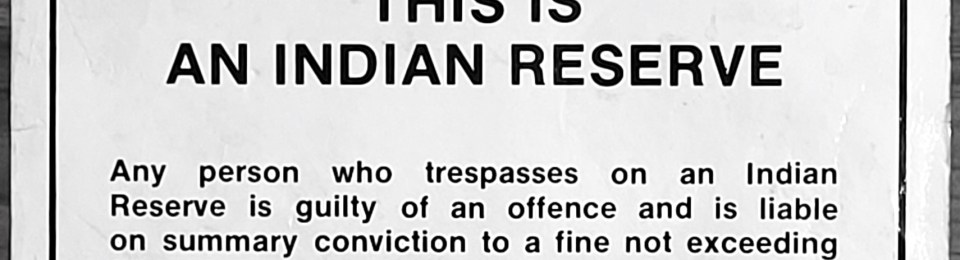
April 12 marks the longest race-based criminalization program in modern history.
From 1841 to 1867, what are today Ontario and Quebec were “The Province of Canada” – a British colony. There were laws “for the better protection of the lands and property of the Indians in Lower Canada,” and so on.
The 1867 British North America Act established the Dominion of Canada, and one of its first Acts was the creation of the Secretary of State – transferring the duties of the British office of the Indian Commissioner to Canada.
In the transfer, Canada assumed a level of sovereignty that had only ever been claimed by Britian – but never achieved in terms of land rights and the right to govern Indigenous Peoples.
Through the accumulated Indian Act 1876, which consolidated some laws and added a lot more, Canada used its new power of legislation to unilaterally confine Indigenous Peoples to “wardship” under administration, while taking over their economic and political roles on the land.
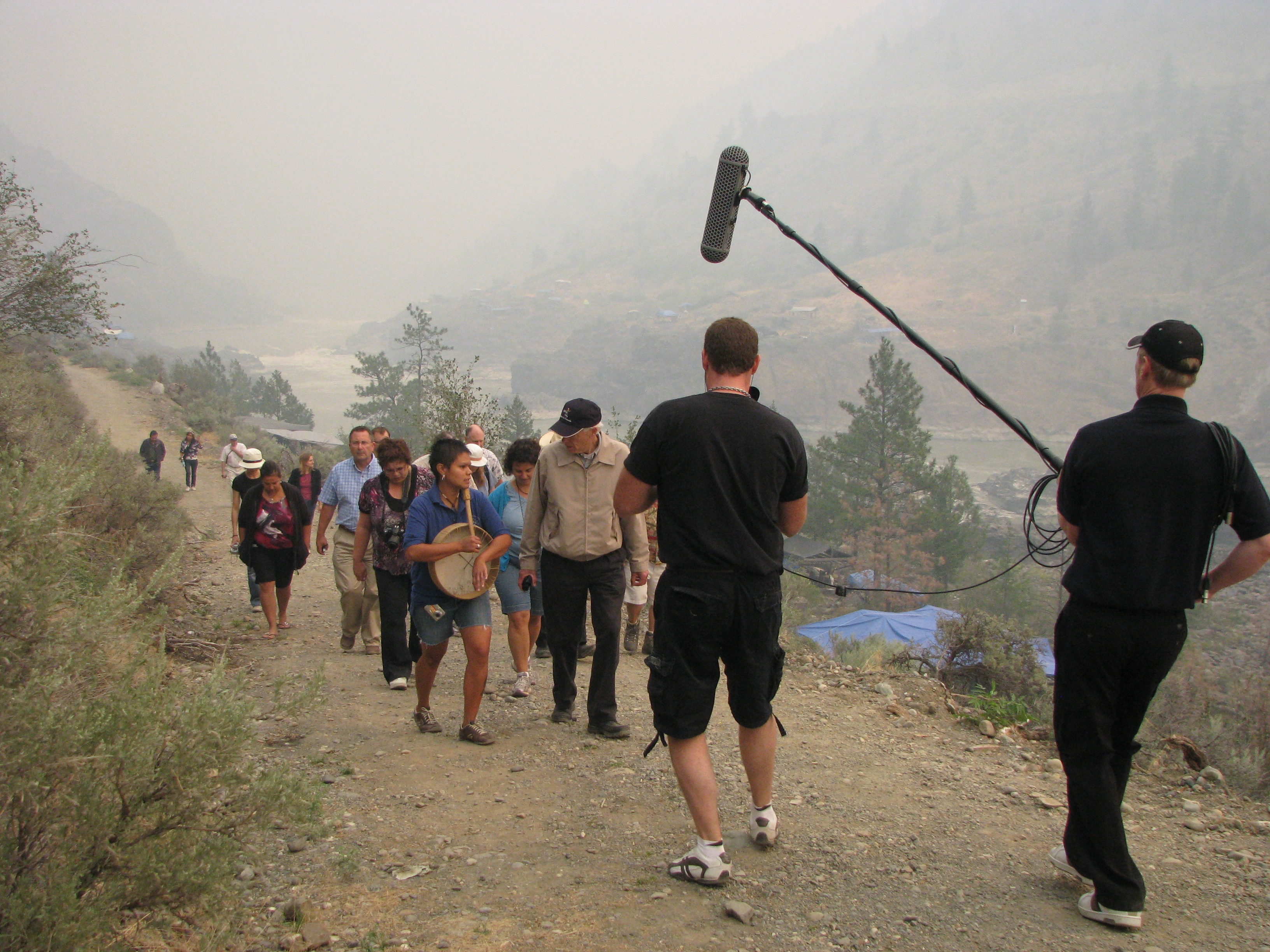
“We are not Indian Act Indians. We never were and we never will be.“
“Our communities are responsible for our fishing grounds, so if we can get that straight with the government of Canada, there will be a change.”
- Spokesperson for the St’át’imc Chiefs Council, Speaking to Commissioner Bruce Cohen of the 2010 Commission of Inquiry into the decline of Fraser River sockeye.
“Indian Act” Page added to the online archive: timeline, quotes, analysis.
The Indian Act provided the legislative machinery to operationalize Canada’s effective, illegal occupation of what had been “His Majesty’s Allies,” just a few years before.
Canada’s unilateral actions have been ignored, resisted, and confronted on the ground and in courts.
The Canadian Constitution Act 1982 was passed as written by the Canadian government, over the objections of Indigenous Peoples coast-to-coast-to-coast.
In Section 35, the constitution affirmed “existing Aboriginal and treaty rights” – but these were not defined or even identified.
To this day, the Canadian courts have taken the position that “aboriginal rights will be defined on a case-by-case basis.” Only such rights as have been defined by the courts, or defined in agreements with the government, are constitutionally protected as “existing” Aboriginal rights.
Of all the extensive civil, political, economic, social, cultural, and land rights which Indigenous Peoples possess under their own and international laws, the Government of Canada considers these “undefined aboriginal rights” and does not recognize them: not until they are defined by Canadian courts or Canadian-made agreements.
Canada recognizes the provisions of the Indian Act – while racing to replace each section of that unilateral, illegal legislation with piecemeal agreements and “accommodation legislation” that Indigenous Peoples consent to, usually in funding agreements, thereby legitimizing governance by Canada.
Today, the government’s modern approach is to continue Indian Act control of activities on reserves, which is oppressive and punitive, until such time as individual First Nations consent to be governed by Canadian law.
This is a sectoral approach to replacing the Indian Act, section by section, with Canadian legislation that is consented to by a First Nation.
In British Columbia, the BC treaty process was an approach to entirely replacing the Indian Act with a Final Agreement – but it was overwhelmingly rejected – so stand-alone agreements consenting to the BC courts and to uphold the Acts of Canada’s Parliament are made to implement agreements on Land Codes, Health, Education, Governance, Taxation, Children and Families, and natural resources.
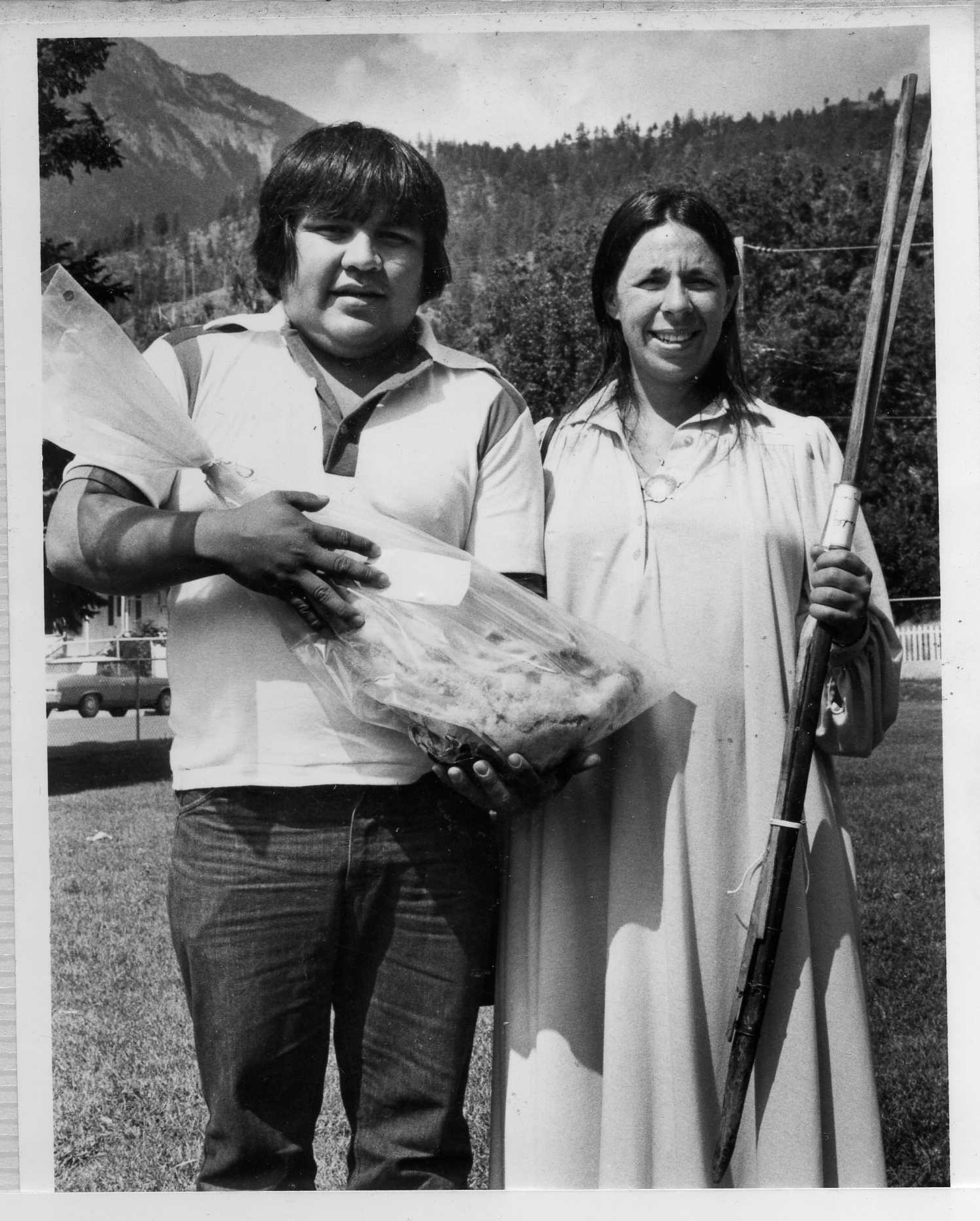
“The value of money isn’t the same value as fish. Fish has been a part of my life all my life. I’ve always known I’ve had a right to fish. My grandfather taught me a lot. He brought me up to the mountains and down to the river. He taught me what rights we had and he told me this is ours.
“I was told by my grandfather, ‘this is your land and your fish. Don’t let anyone take it away.'”
- Bradley Bob, Xaxlíp, St’át’imc
From OUR PEOPLE SPEAK – quotes from The Union of B.C. Indian Chiefs’ Eleventh Annual Assembly, October 1979. Published in the Aboriginal Rights Position Paper, 1979, UBCIC.
Look for a Special Issue on Indian Status, coming soon from Archive Quarterly – journal of the west wasn’t won archive project.
 The West Wasn't Won