
This page provides some archival material showing parts of the interaction between Líl’wat People and the Province of British Columbia, and the federal government of Canada. News articles are included not for their accuracy, but more as “evidence.”
Líl’wat
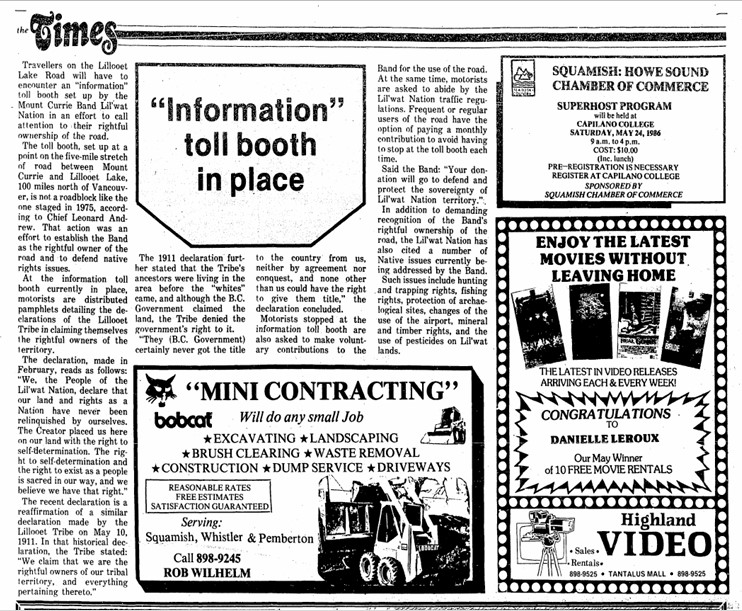
Information tool booth in place – Highway 99. The Squamish Times, May 21, 1986
Stein Valley
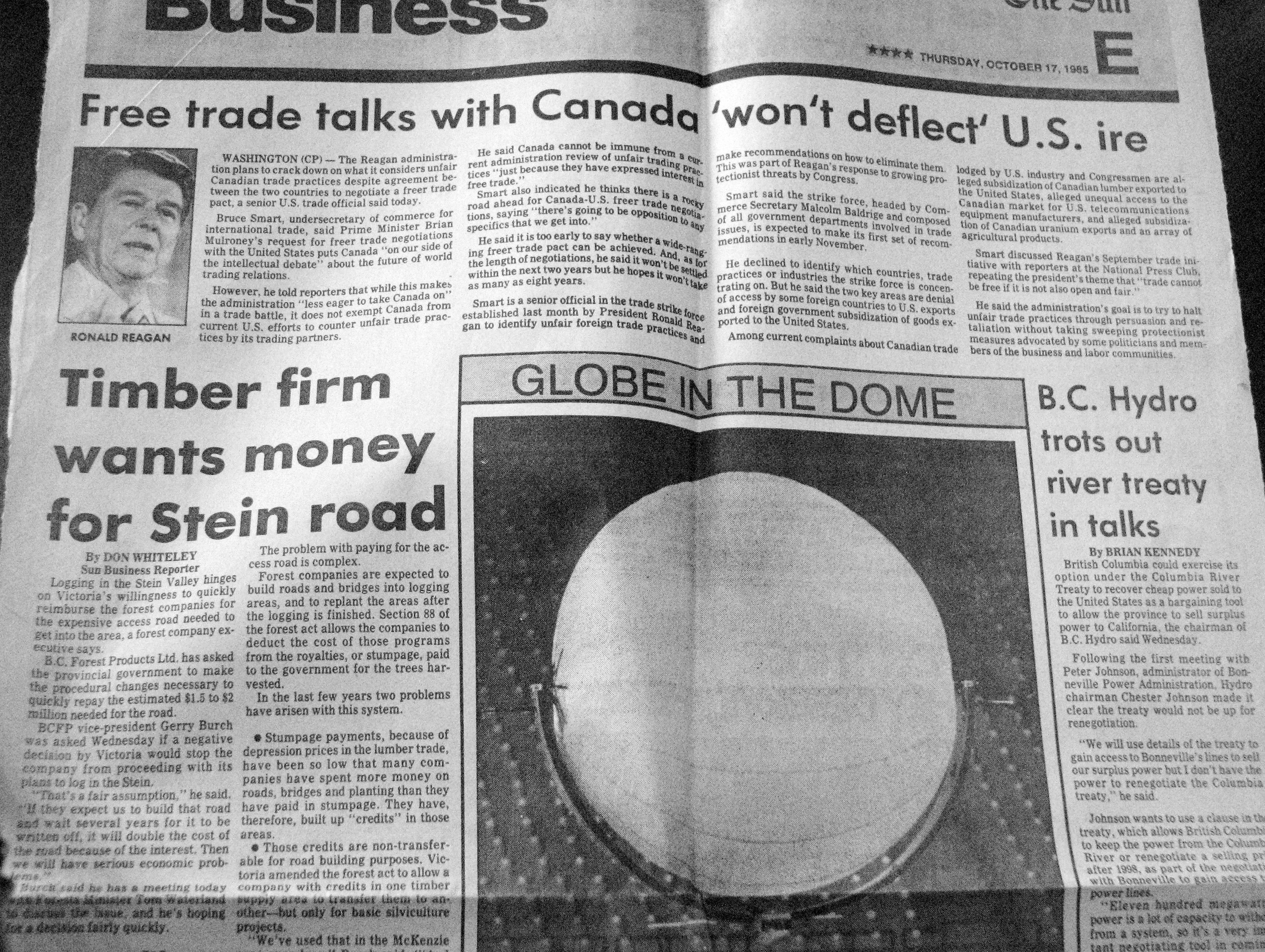
Timber firm wants money for Stein road. Vancouver Sun, Don Whitely, October 17 1985

Anti-logging battle moves to the Stein. Vancouver Sun, Vaugh Palmer, July 8 1987 (Stein Valley Festival; Lil’wat, St’at’imc, Nlaka’pamux)

1989 Vote for Traditional Government Restoration
and to Abandon Indian Act Band administration
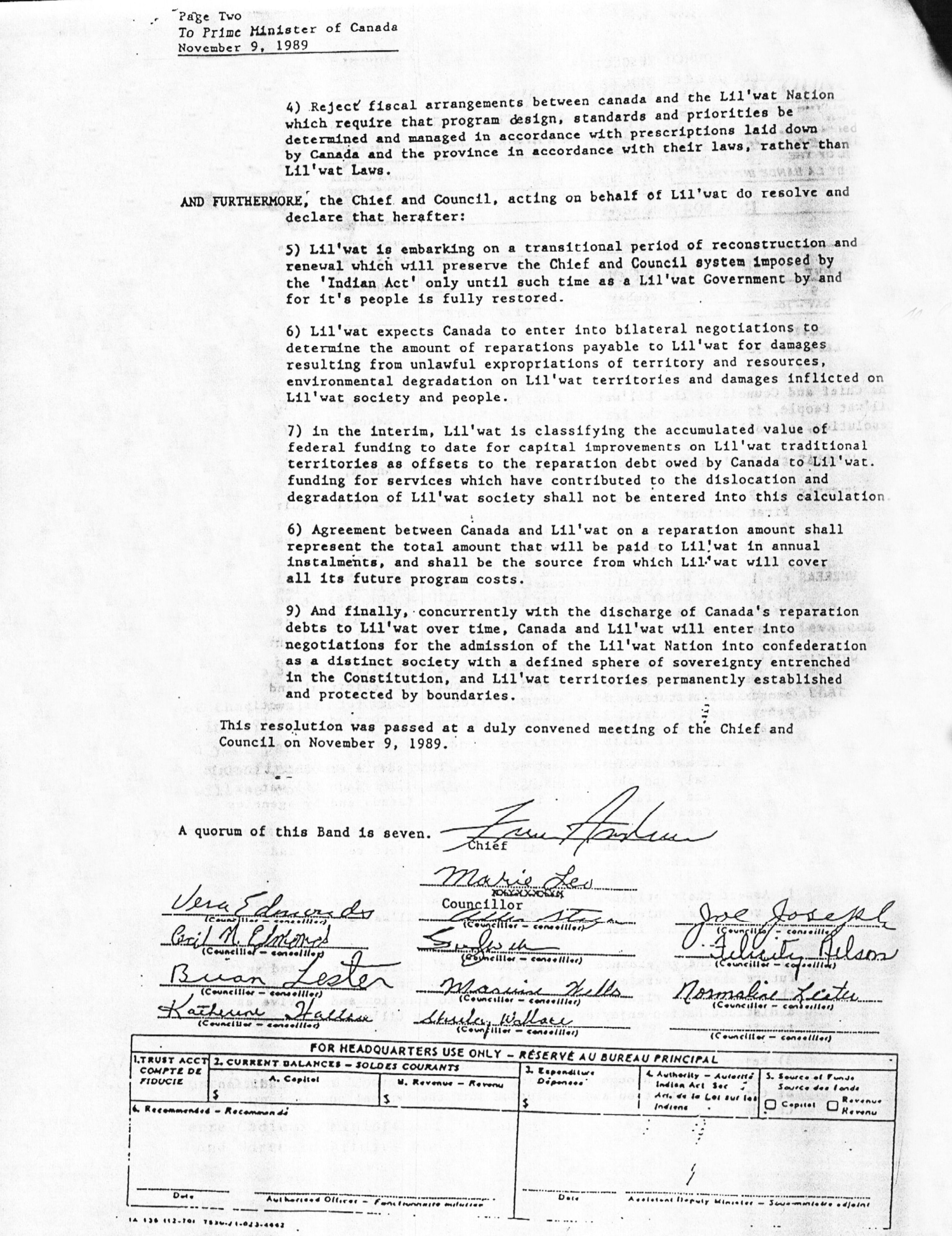
1990 Roadblock of the Lillooet Lake Road
Lil’wat Peoples Movement – Pamphlet – 1990.
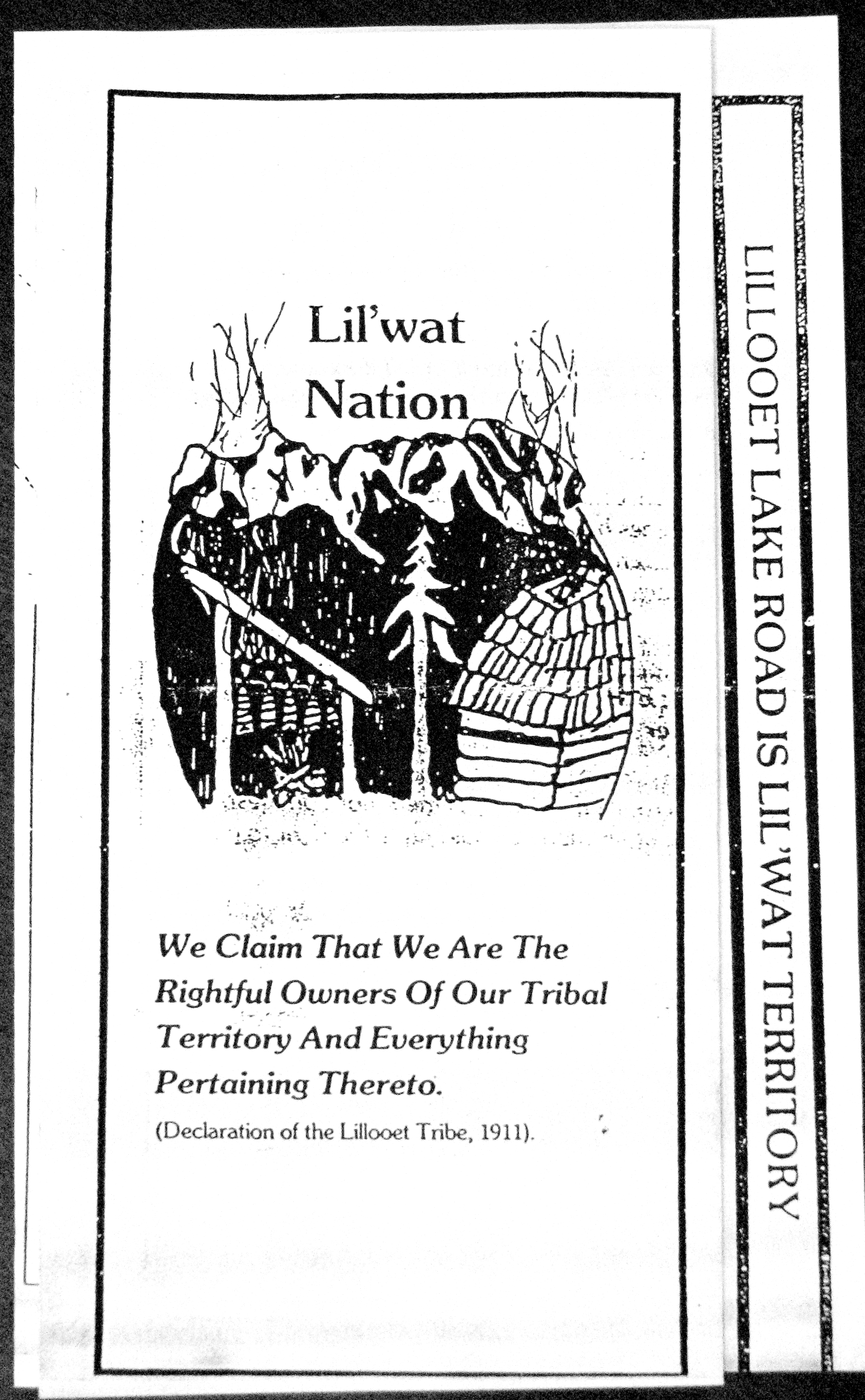
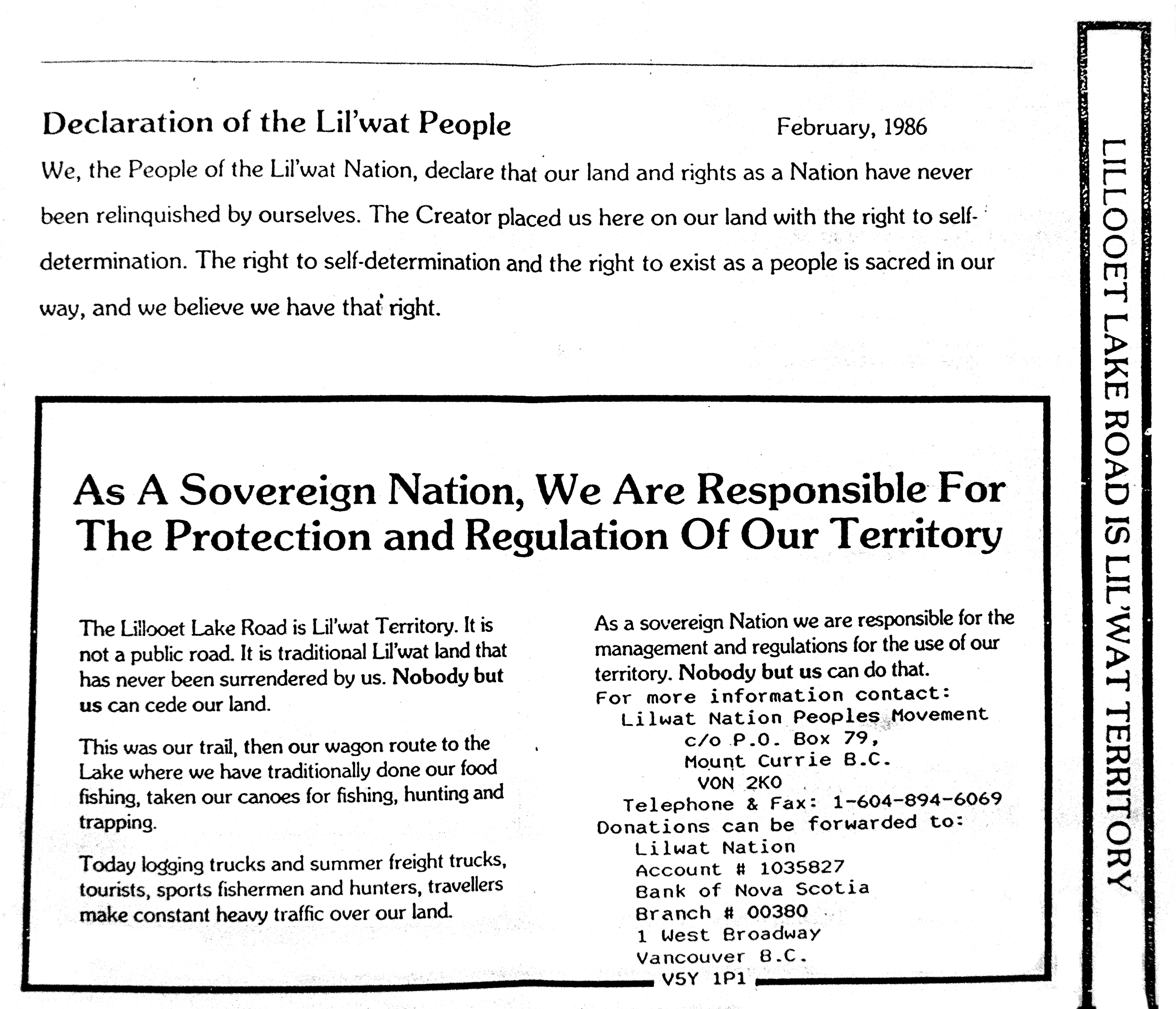
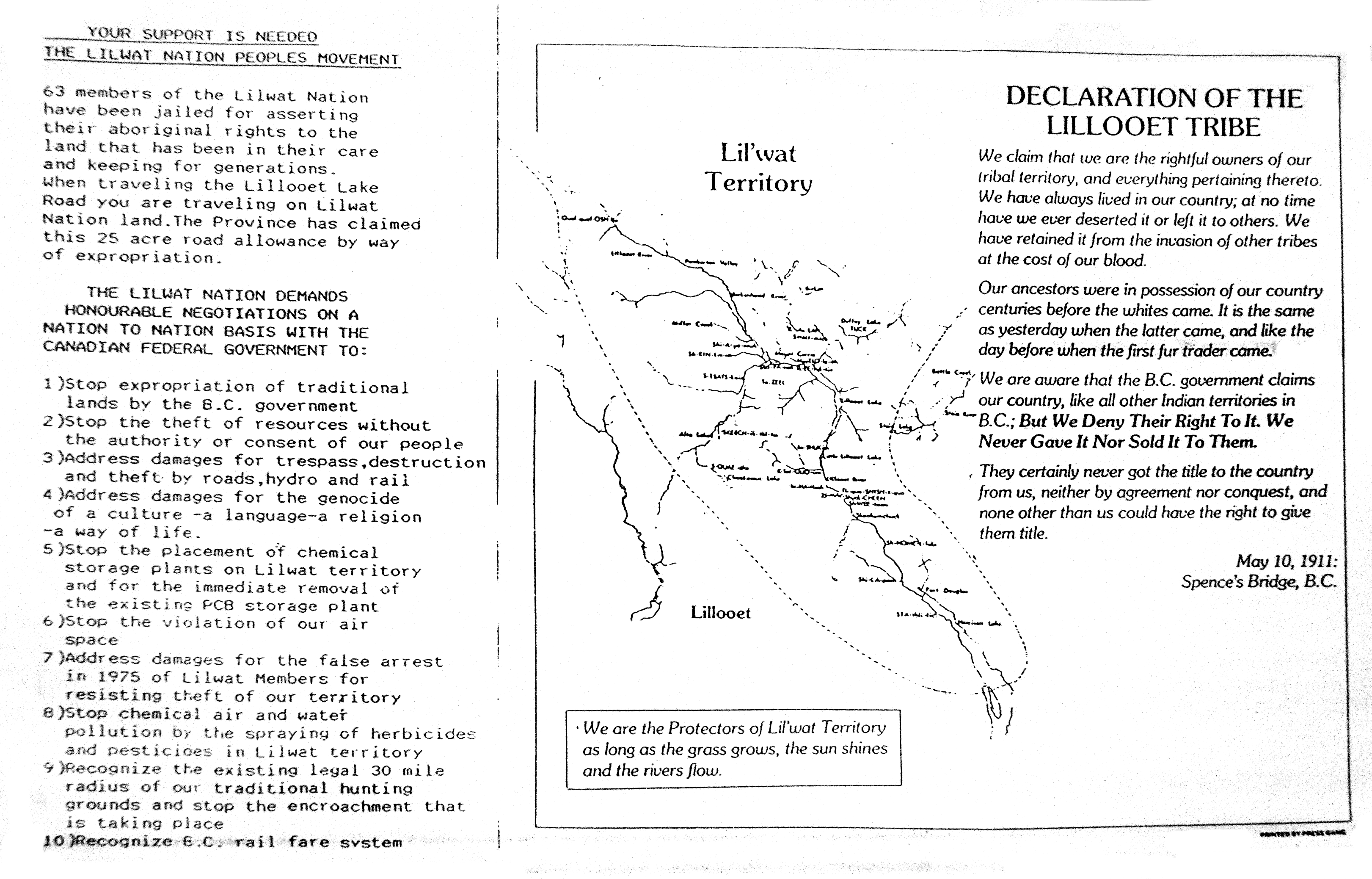
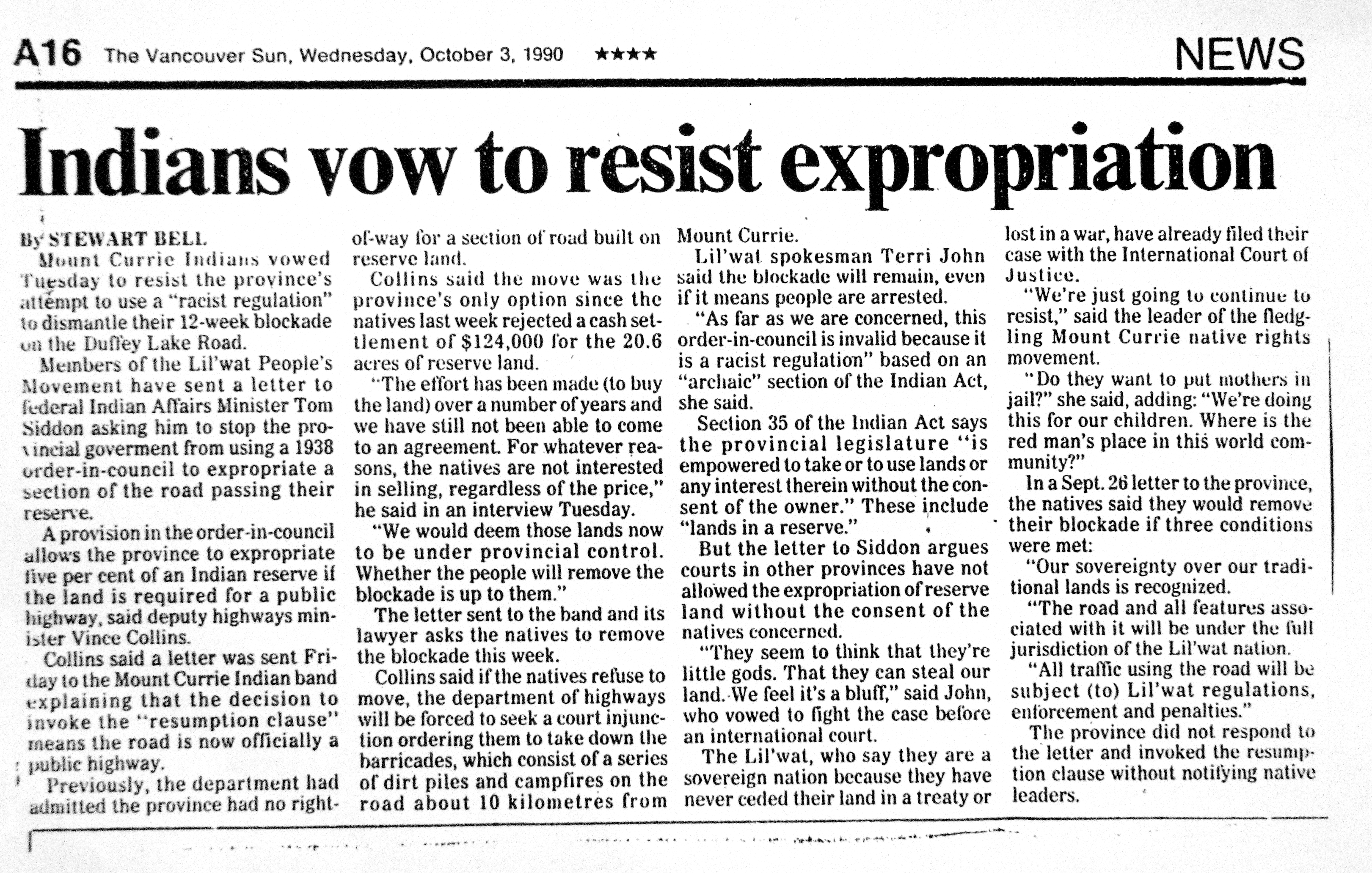
Indians vow to resist expropriation. Vancouver Sun, October 3, 1990
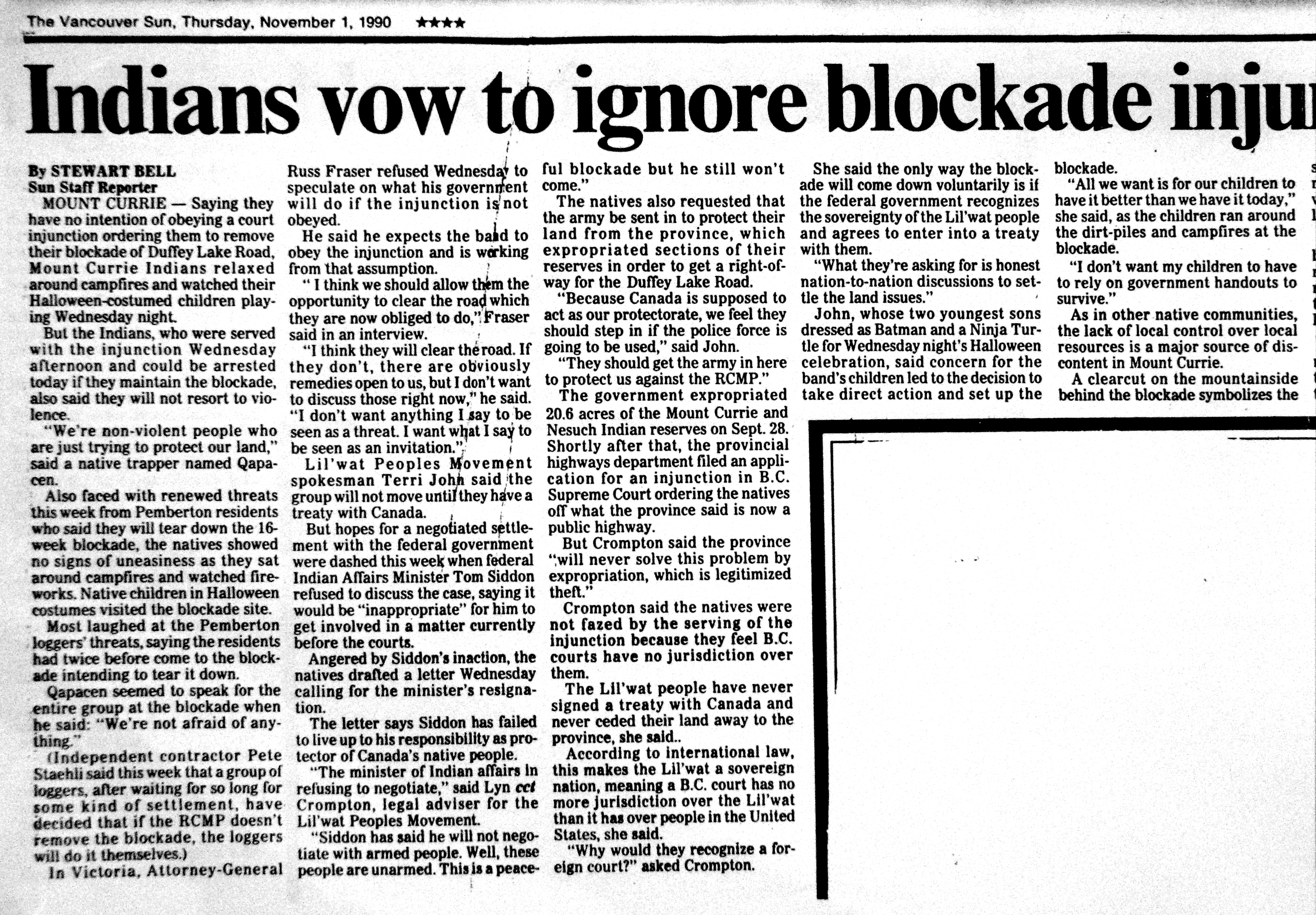
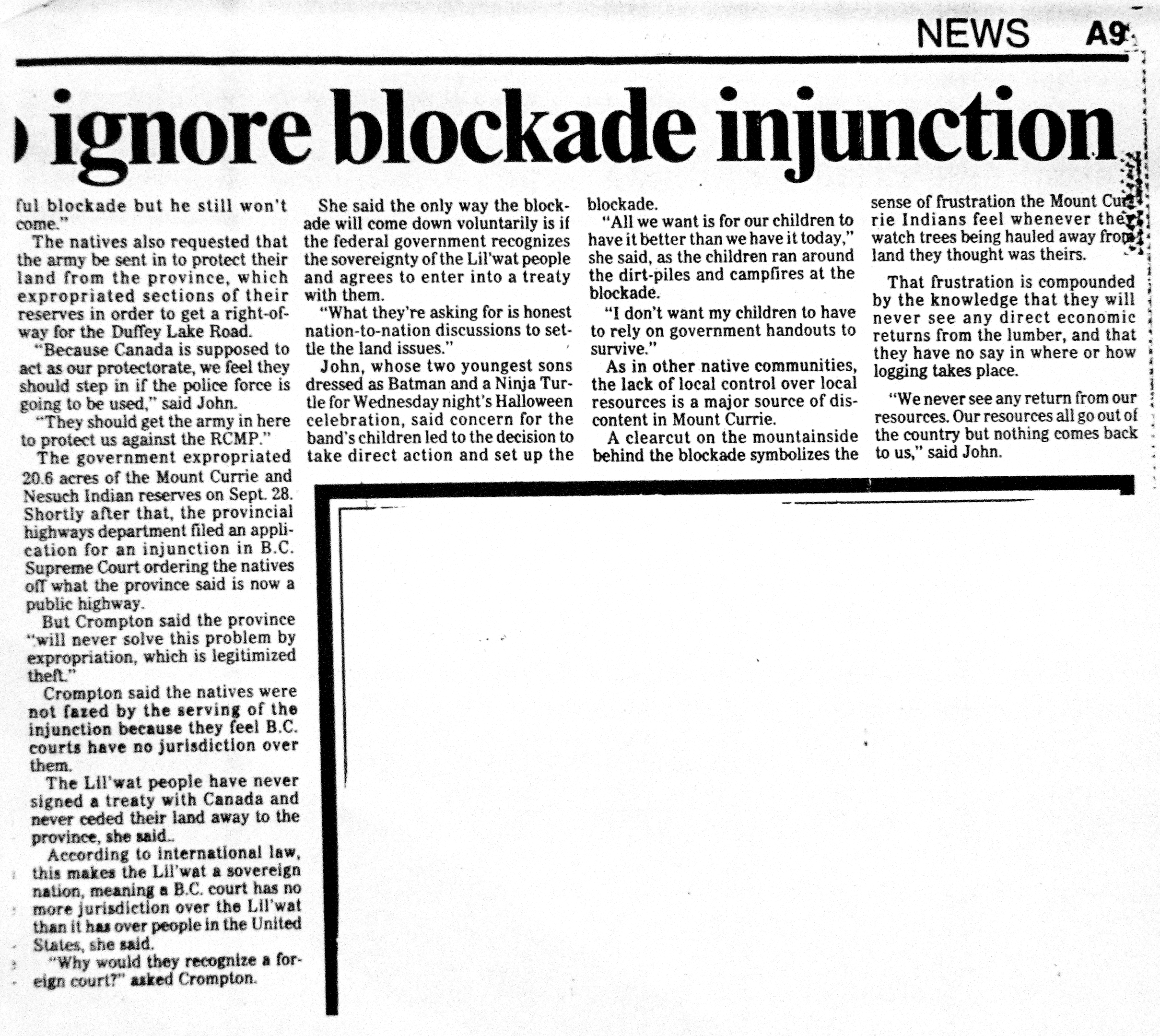
Indians vow to ignore blockade injunction. Vancouver Sun November 1 1990
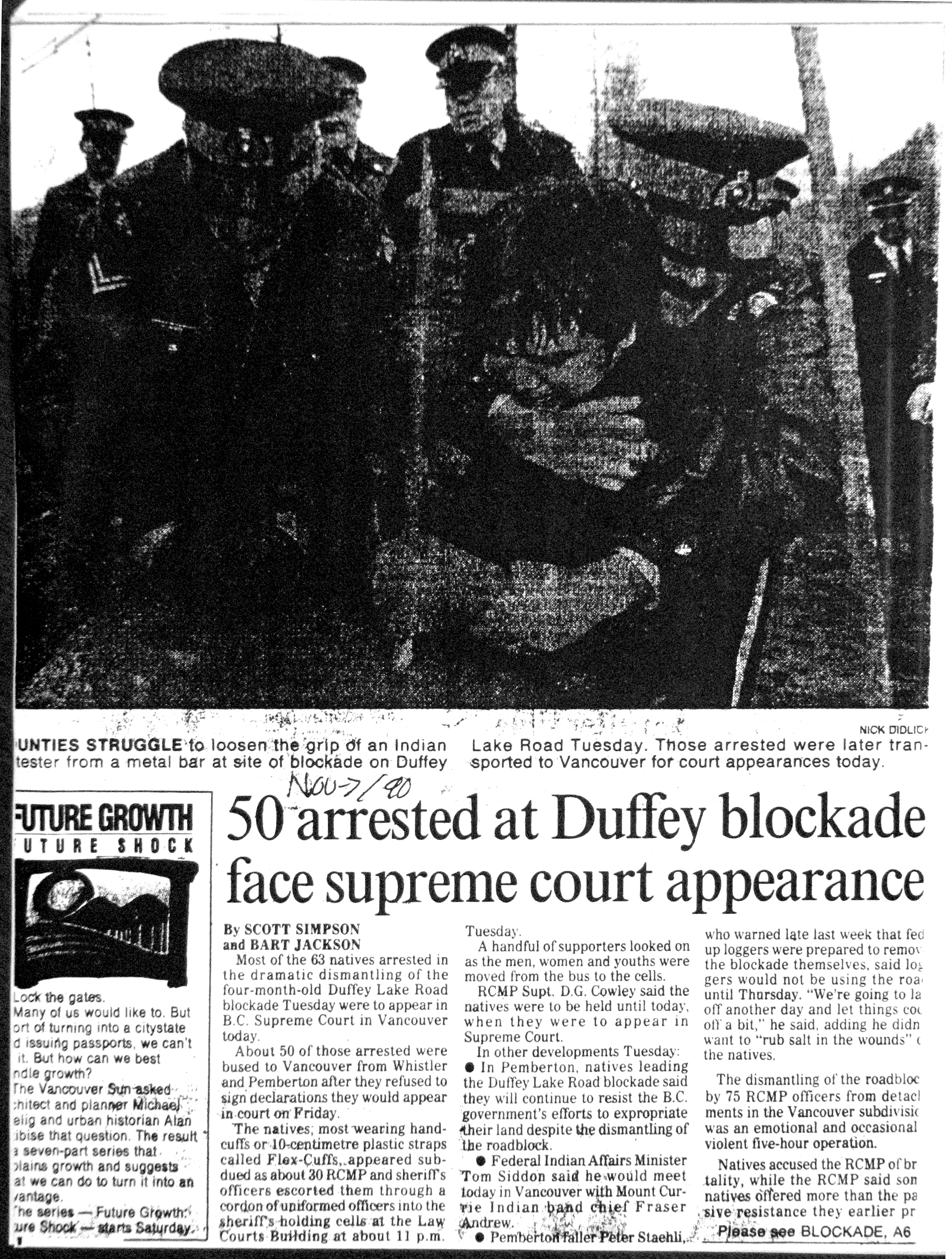
50 arrested at Duffey blockade face supreme court appearance. Vancouver Sun, November 7 1990
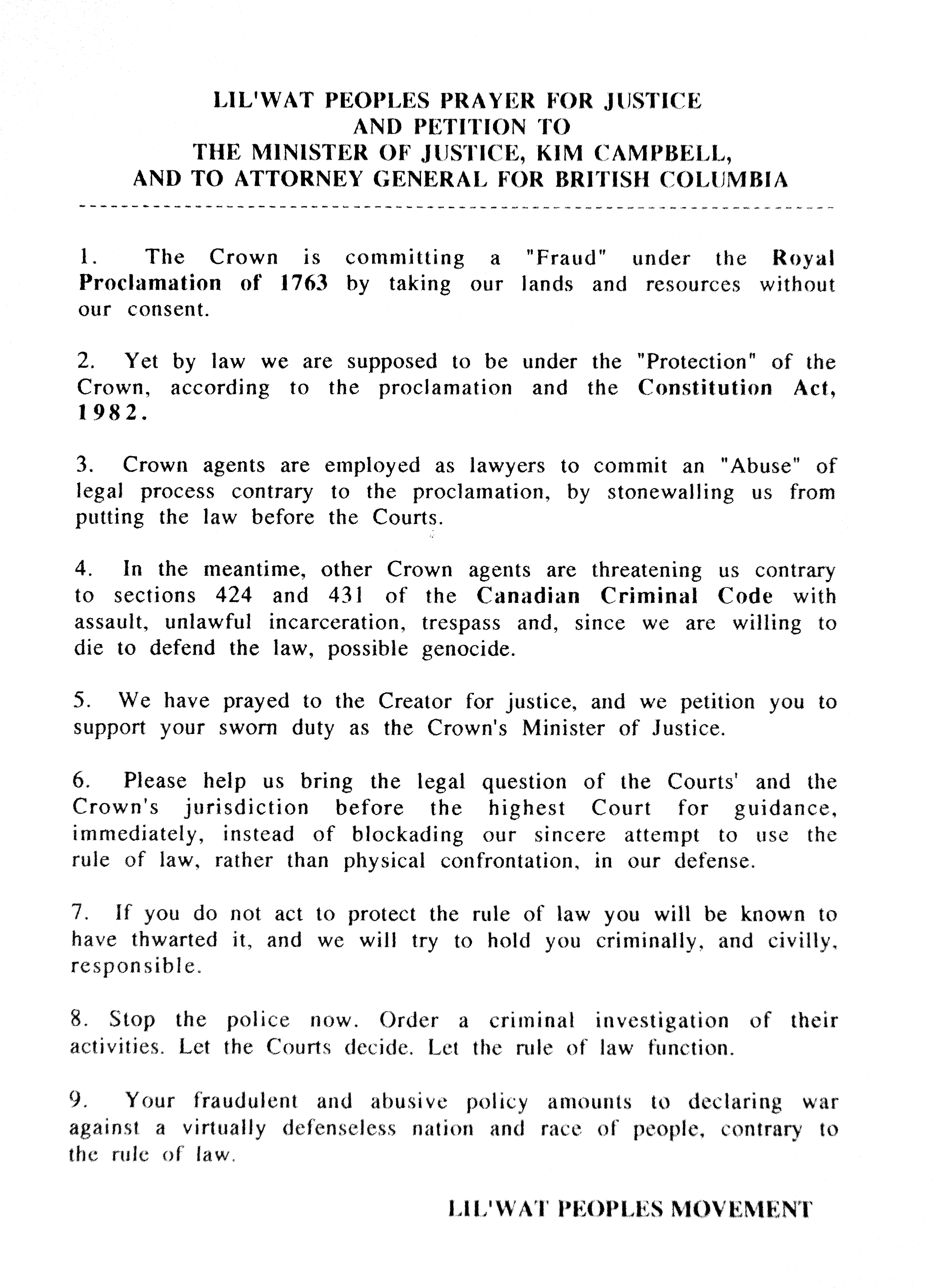
Lil’wat Peoples Prayer for Justice and Petition to the Minister of Justice, Kim Campbell, and to the Attorney-General of British Columbia, 1990

Lillooet Lake Road
Roadblockers, 1990
49 Lil’wats ready to argue in court that blockade legitimate. Vancouver Sun Dec4.1990

Roadblock threatened if court bid fails. December 19, 1990

Roads on burial sites called outrage. Vancouver Sun, December 12, 1990

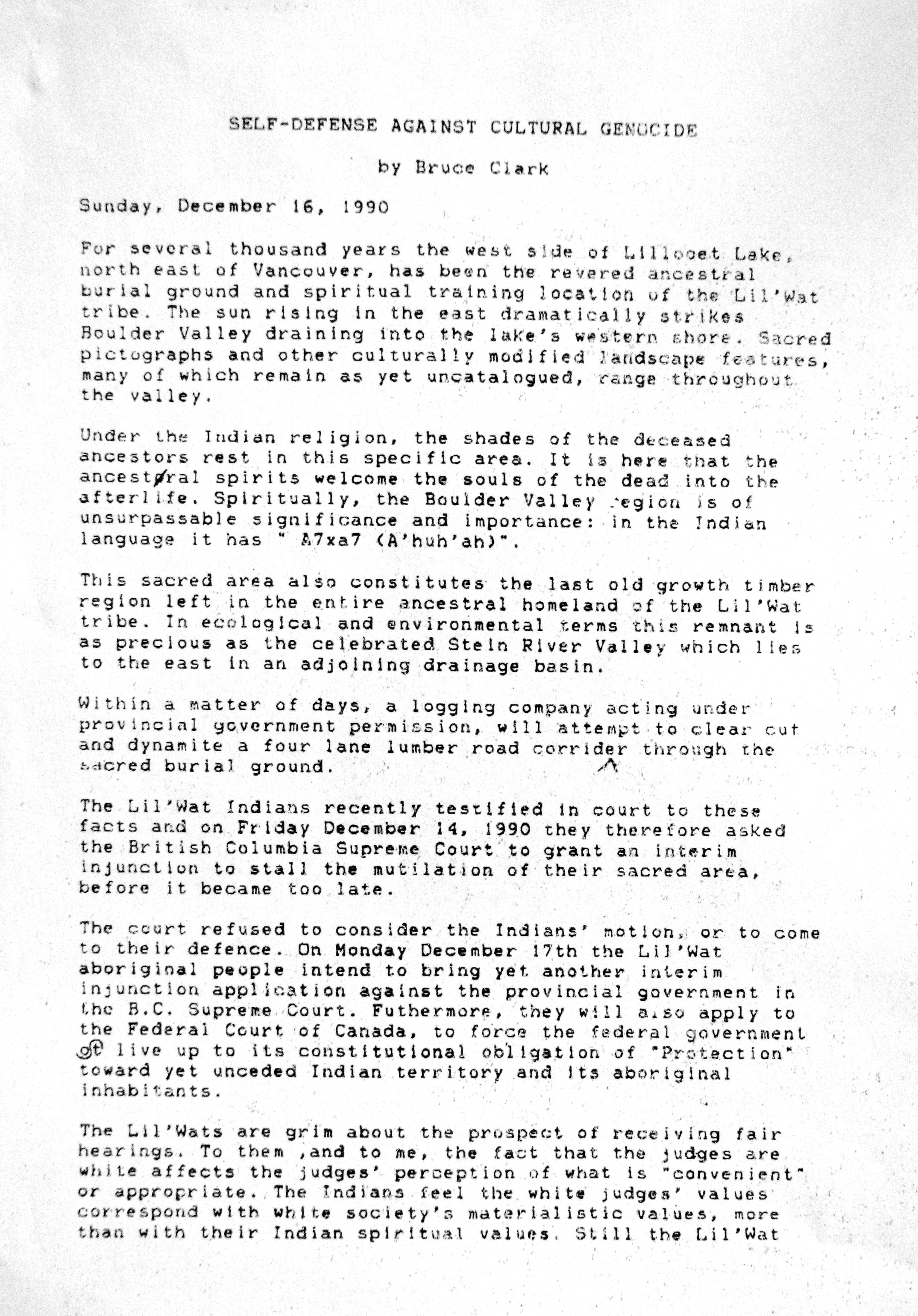
“Self-defense against Cultural genocide,” by Bruce Clark and Terri John, December 16, 1990
Equipment vandalized near native pictographs January 5.1991

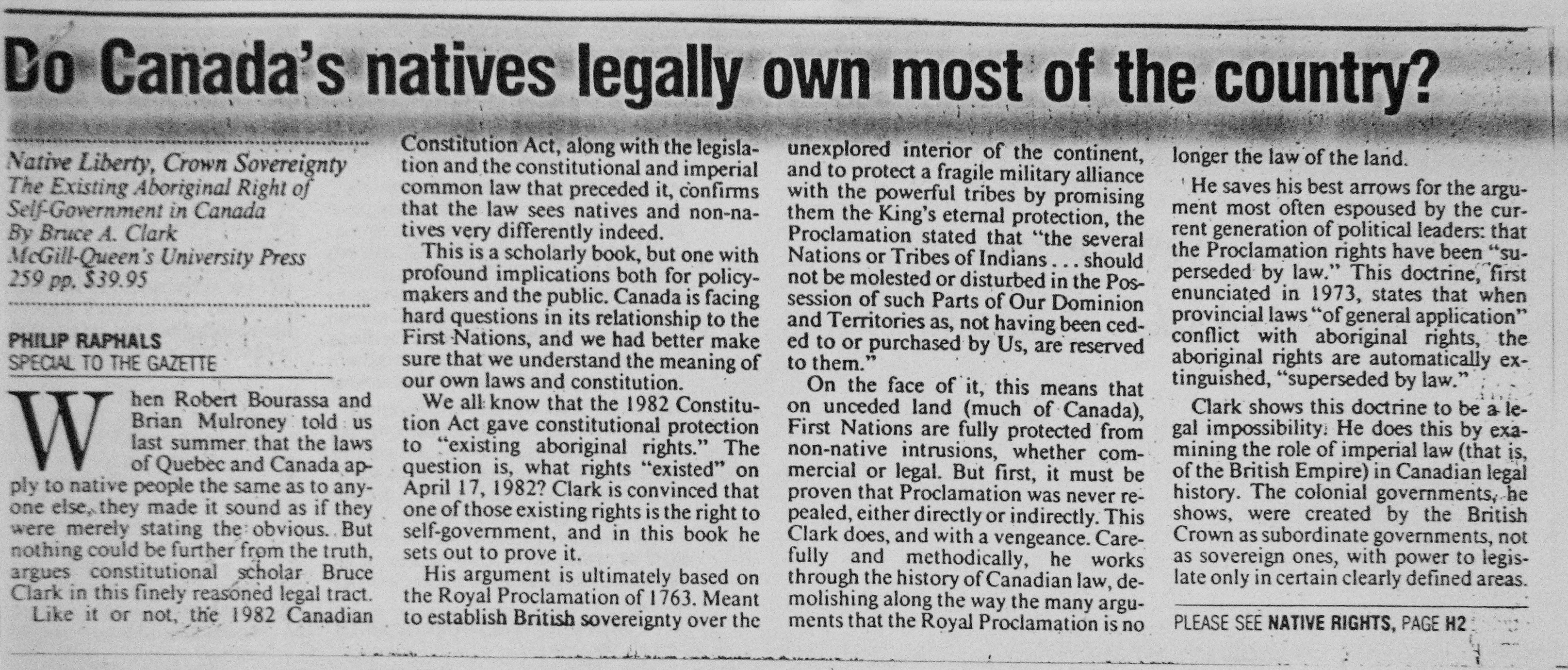
Do Canadas natives legally own most of the country? The Gazette, Montreal, January 5 1991


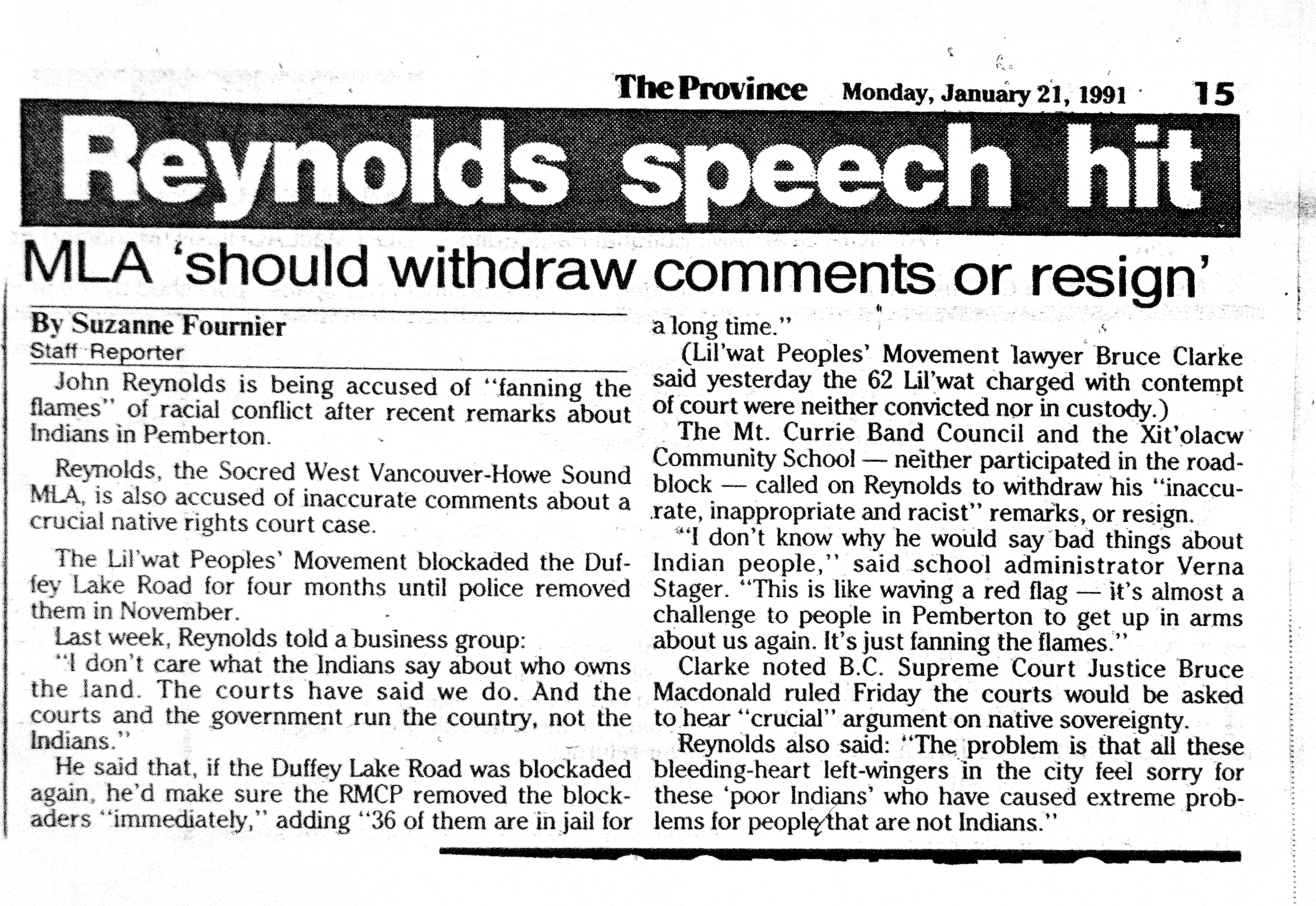
MLA should withdraw comments or resign. The Province, .January 21, 1991
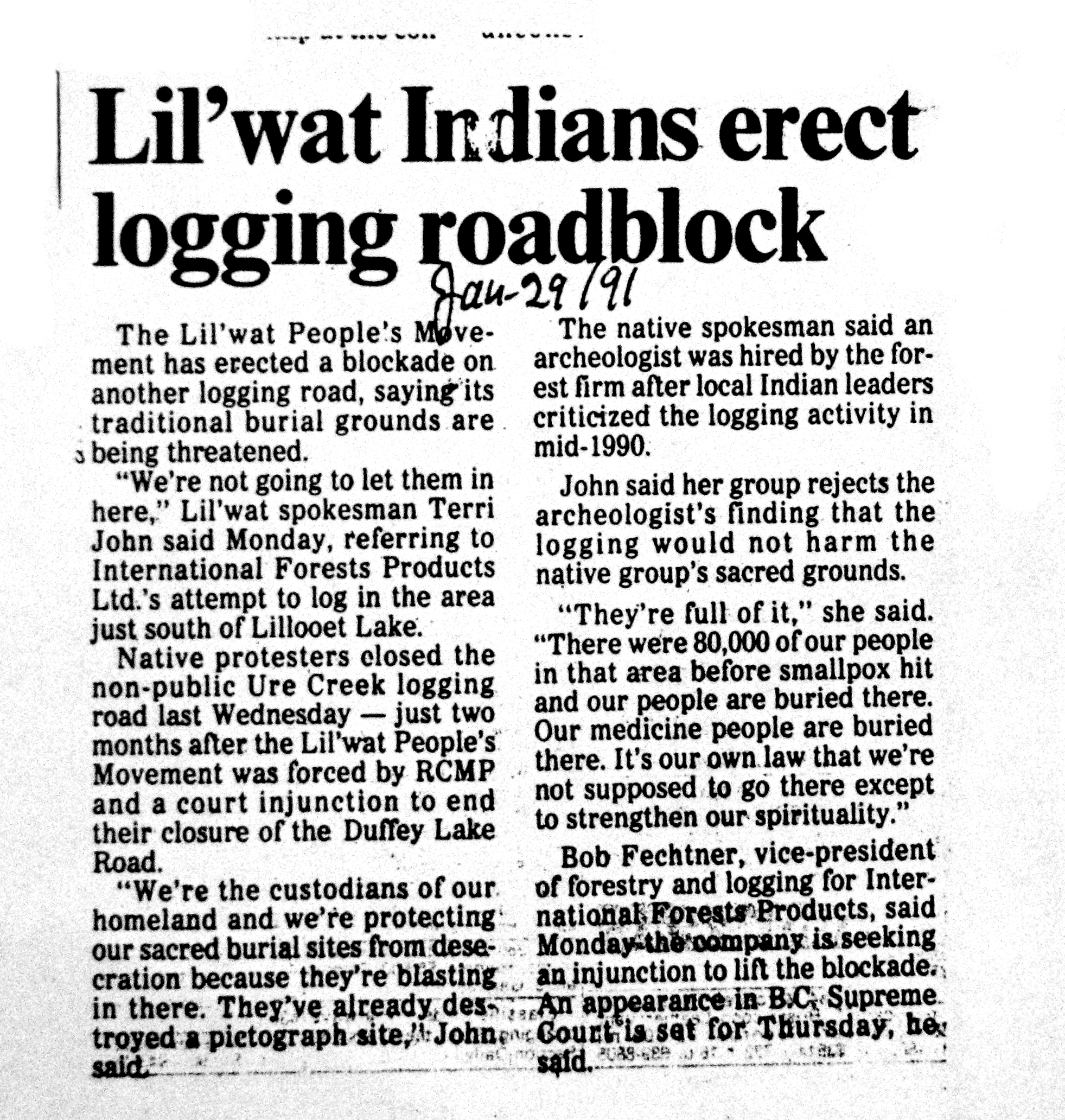
Lil’wat Indians erect logging blockade. January 29 1991
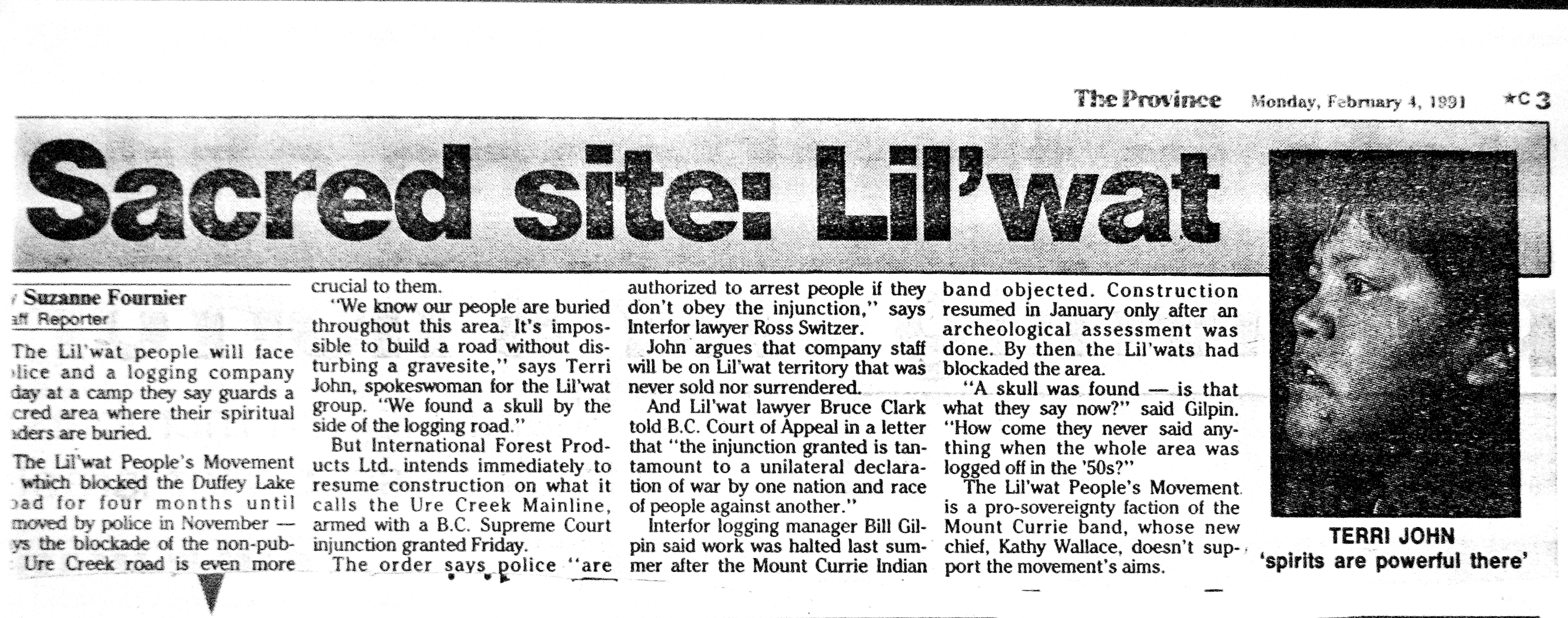
Roadblock war today. The Province, February 4, 1991

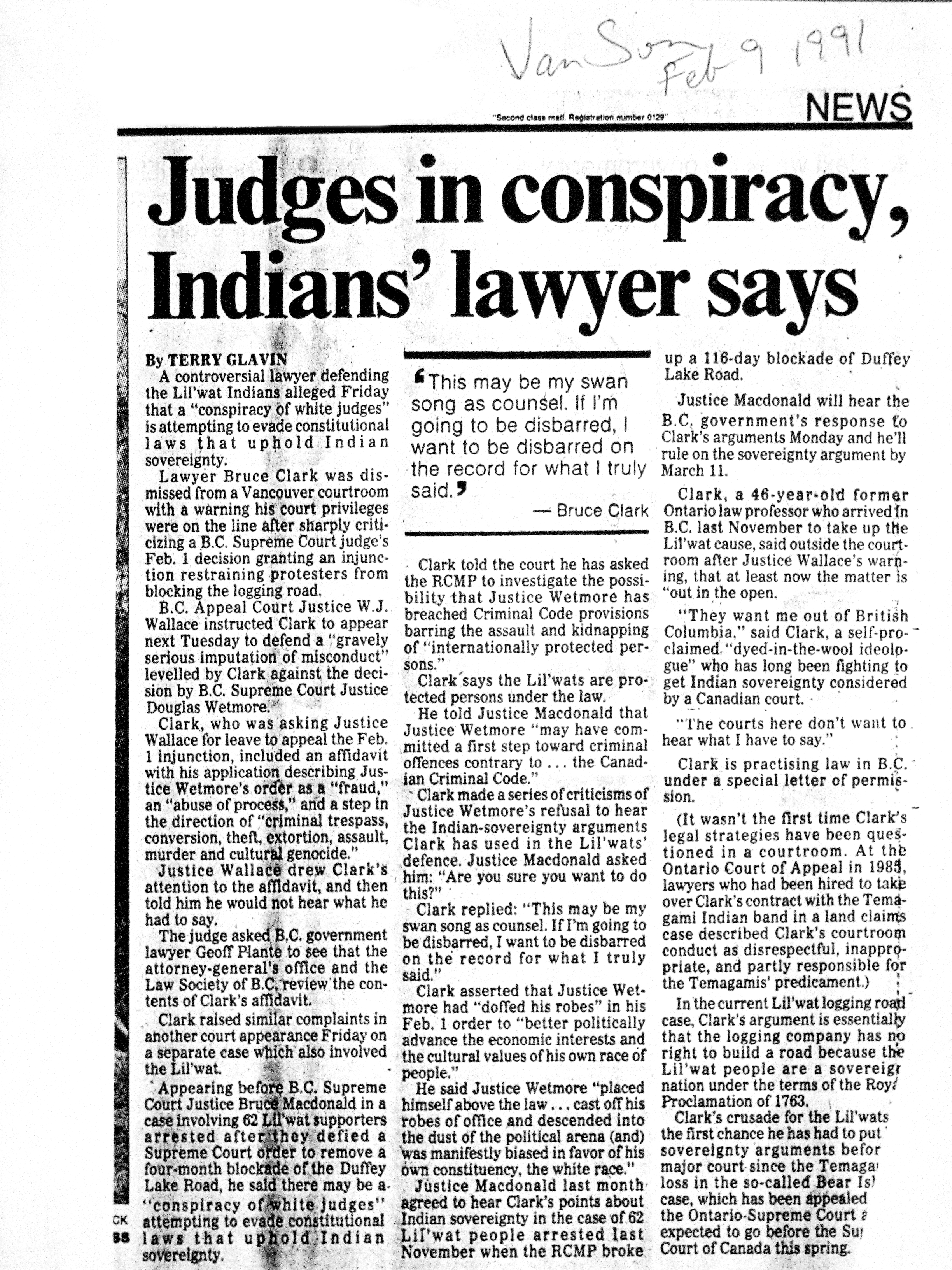
Judges in conspiracy, Indians lawyer says. Vancouver Sun, February 9 1991
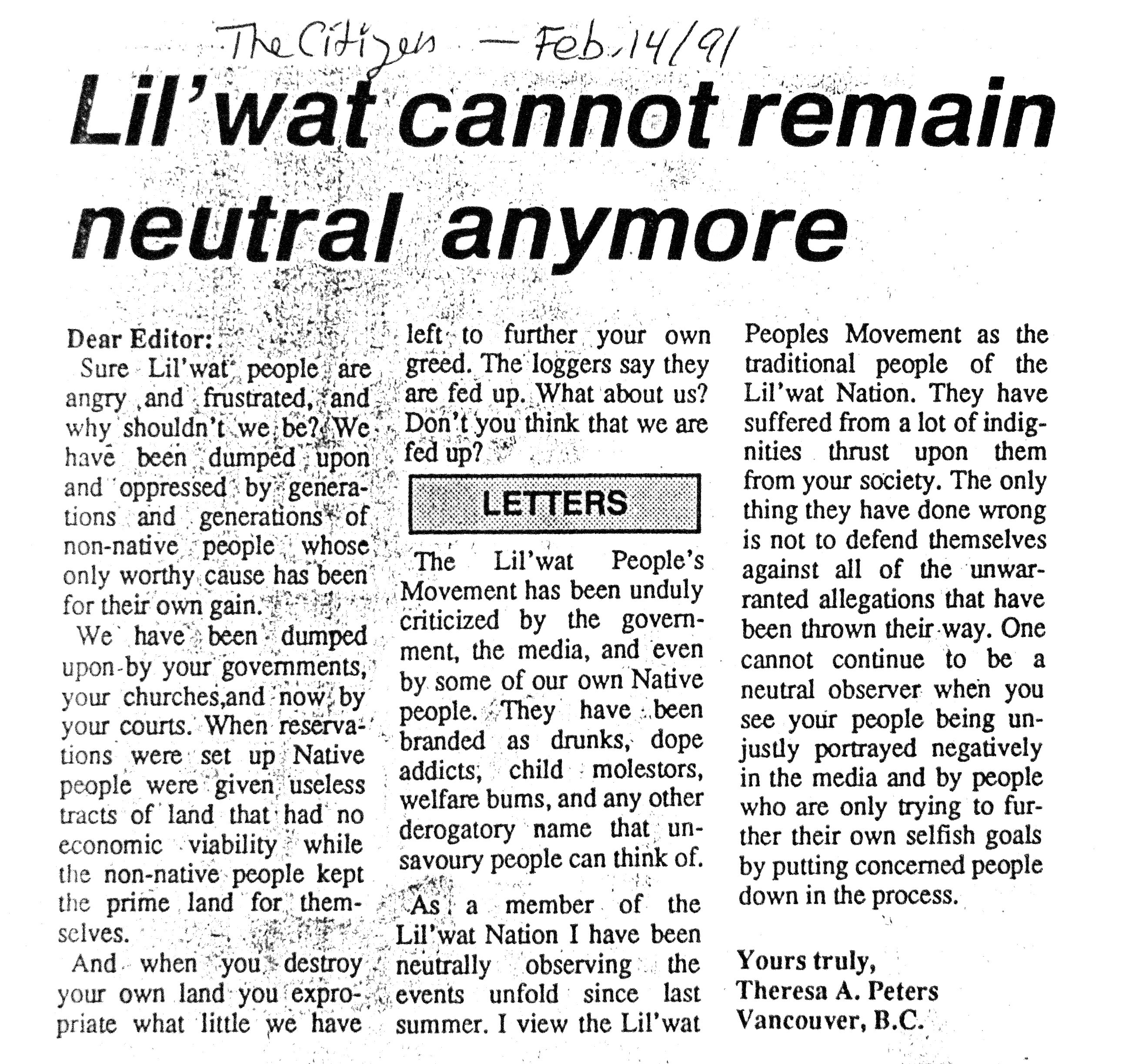
Lil’wat cannot remain neutral anymore. The Citizen February 14, 1991
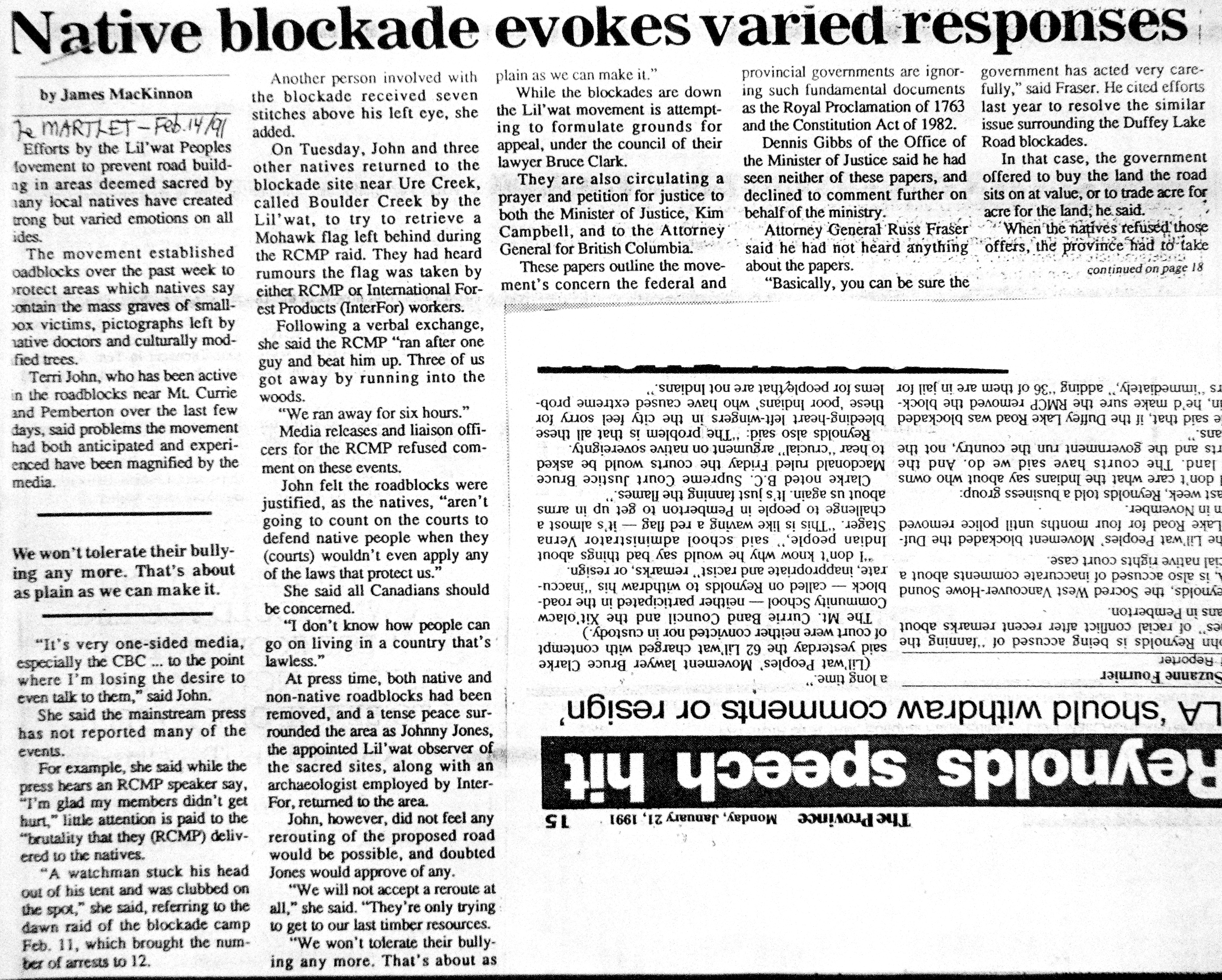
Native blockade evokes varied responses. The Martlet February 14, 1991
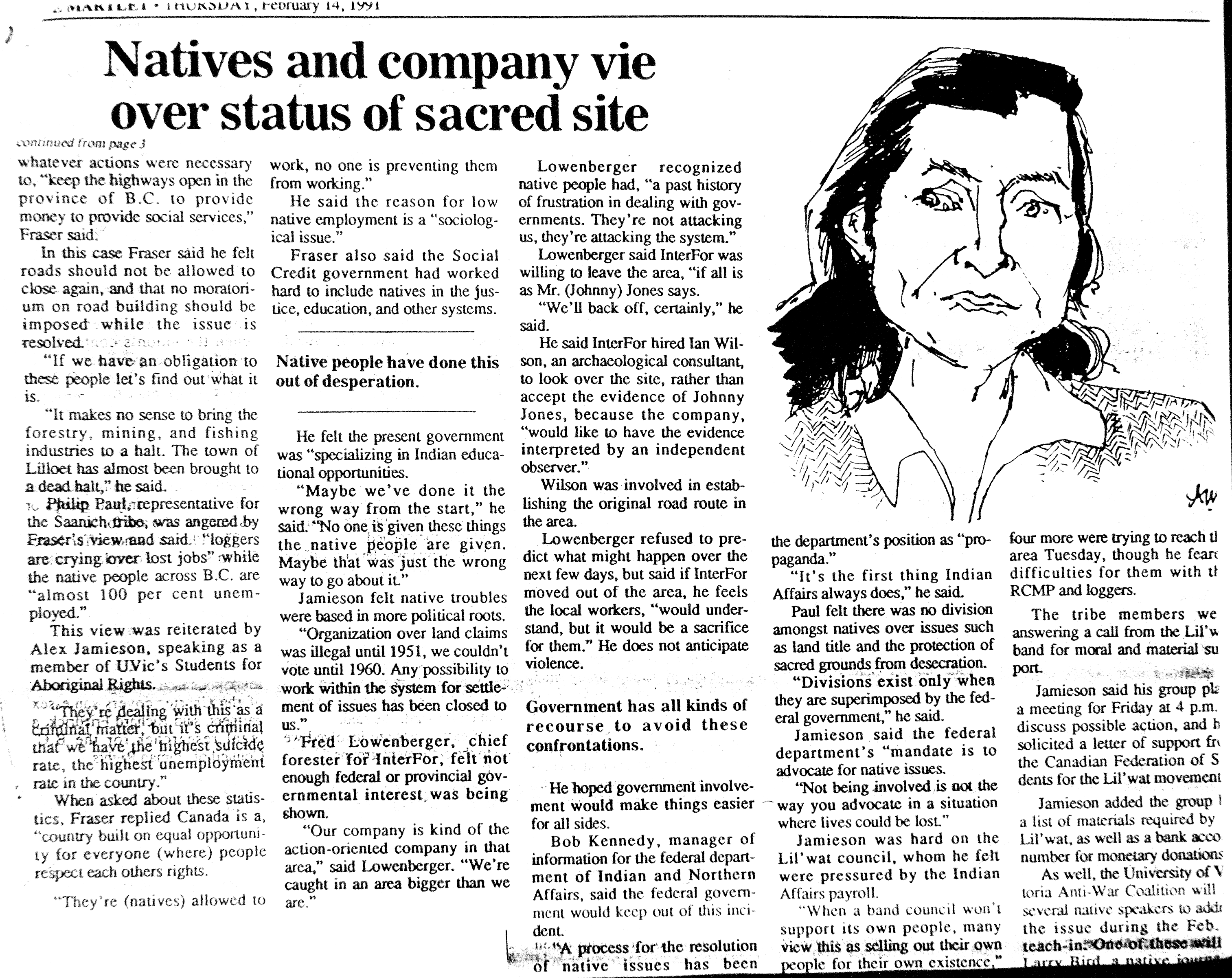
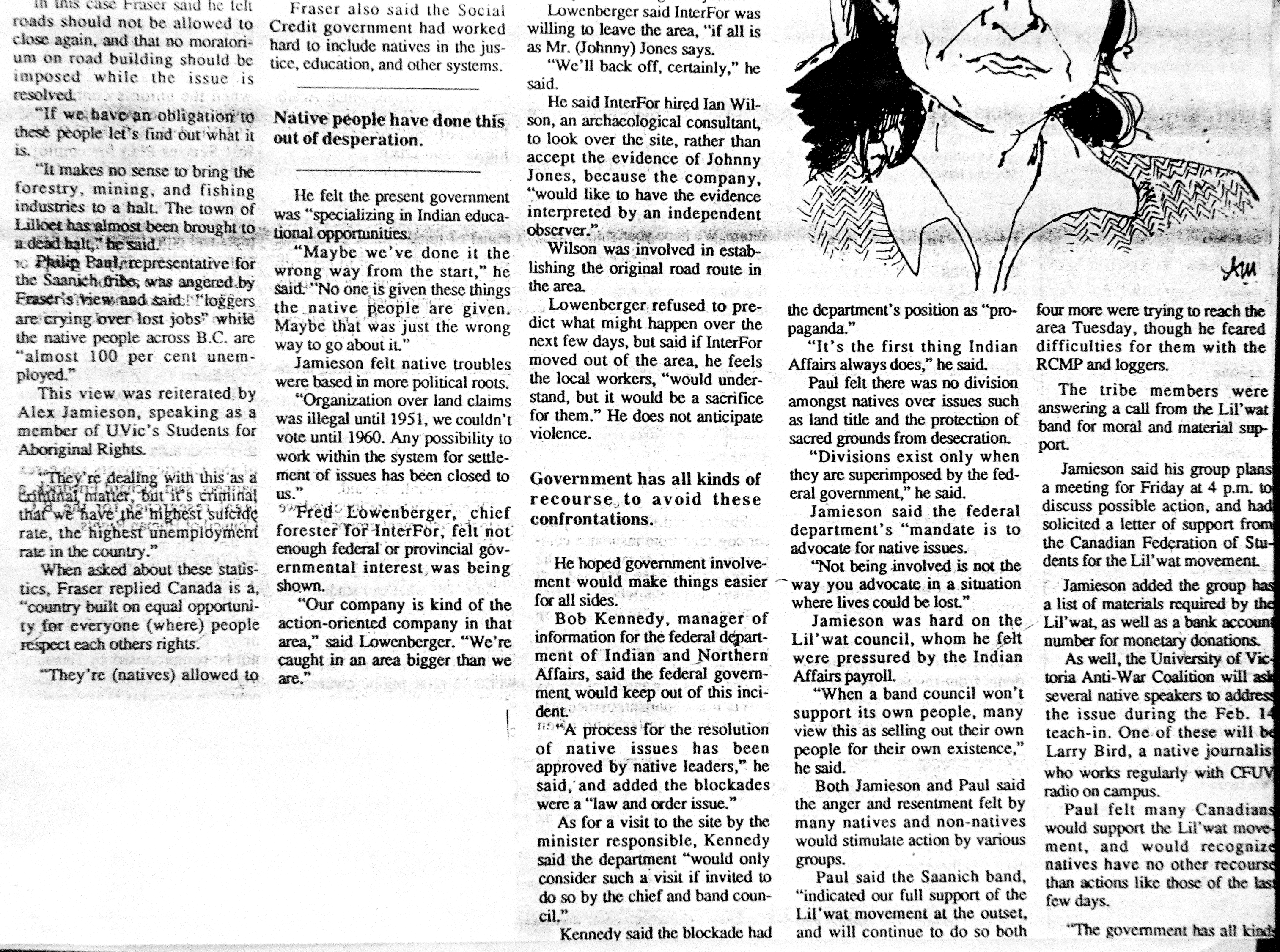
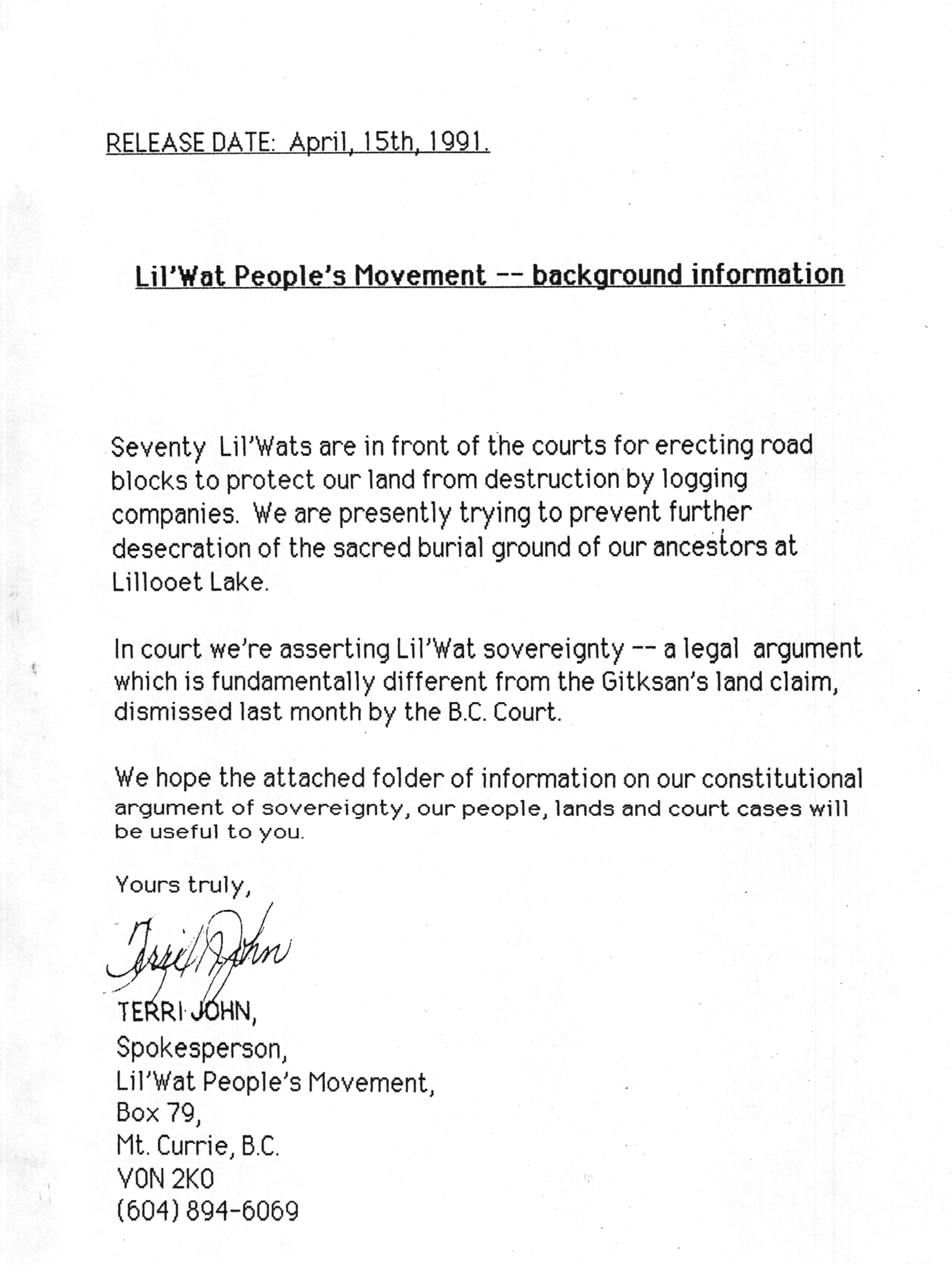
Press Release April 15 1991: “70 Lil’wats are in court for erecting road blocks to protect our land from destruction by logging companies…” Lil’wat Peoples Movement.
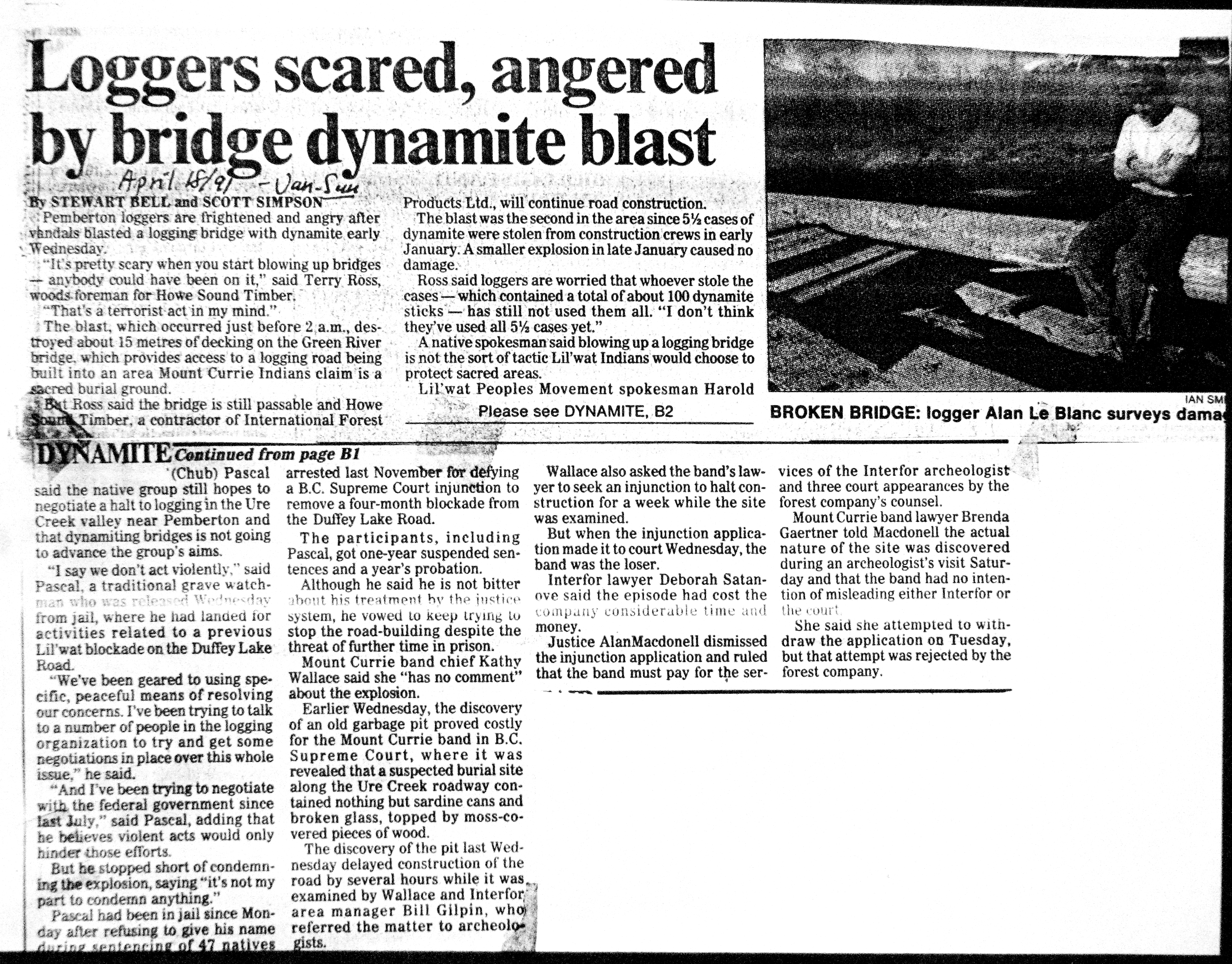
Loggers scared by bridge dynamite blast. Vancouver Sun April 18 1991
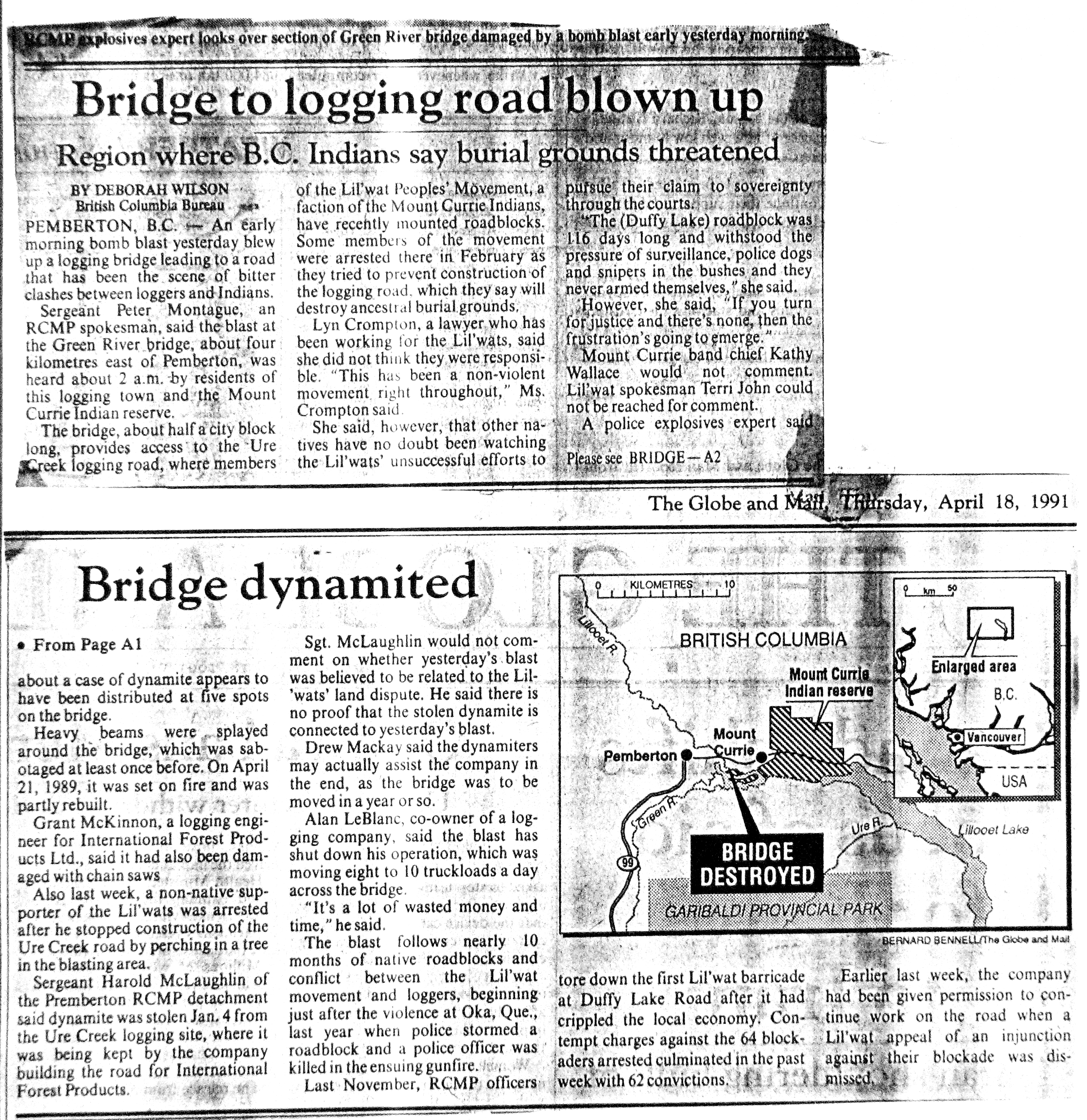
Bridge to logging road blown up. Globe and Mail, April 18 1991
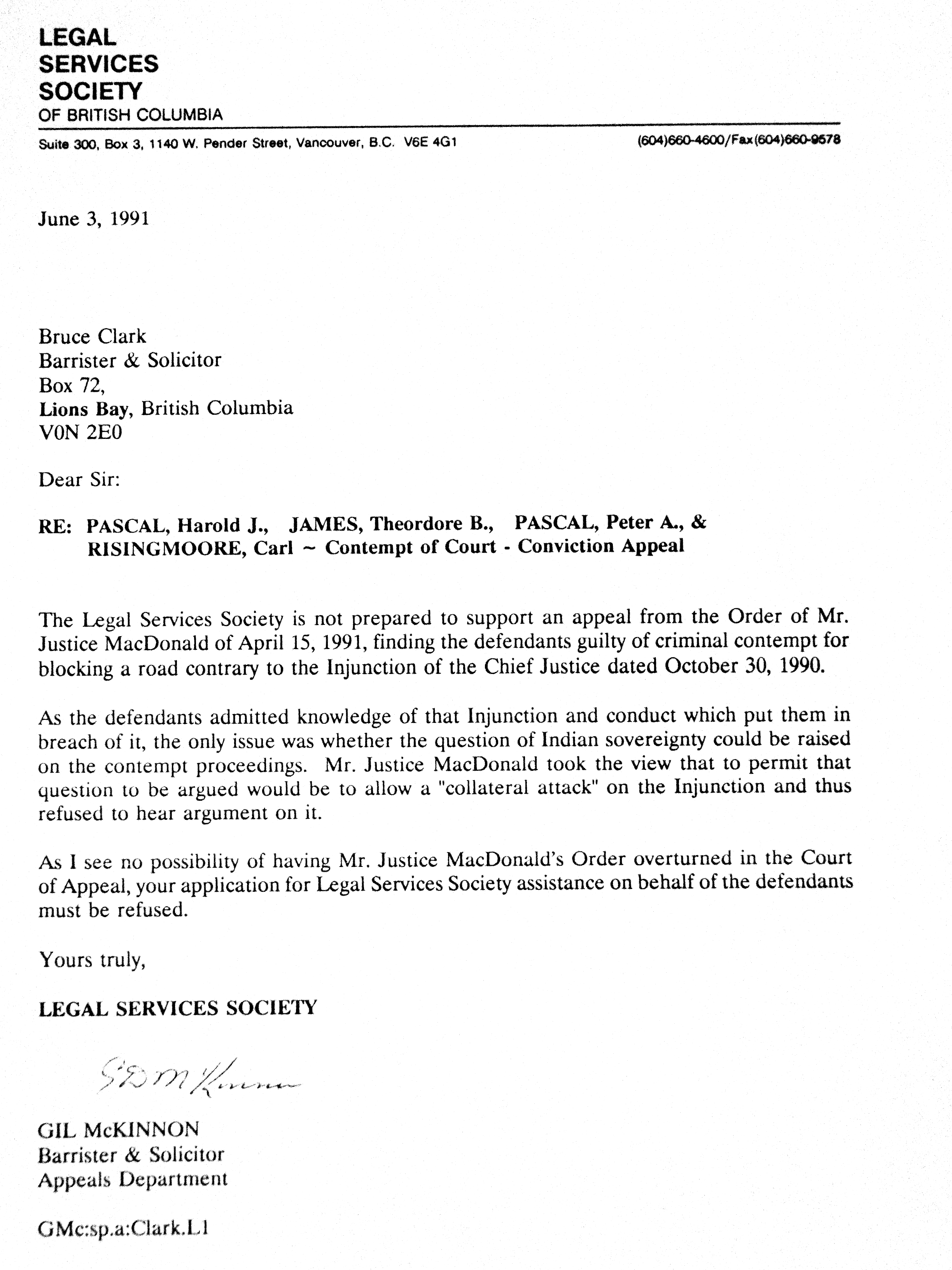
Re Pascal et al. Legal Services Society to Lil’wat counsel, Bruce Clark, June 3, 1991
“I see no possibility of having Mr. Justice MacDonald’s ruling overturned in the Court of Appeal
Re Pascal et al., Lil’wat counsel Bruce Clark to Legal Services Society of BC, June 7, 1991
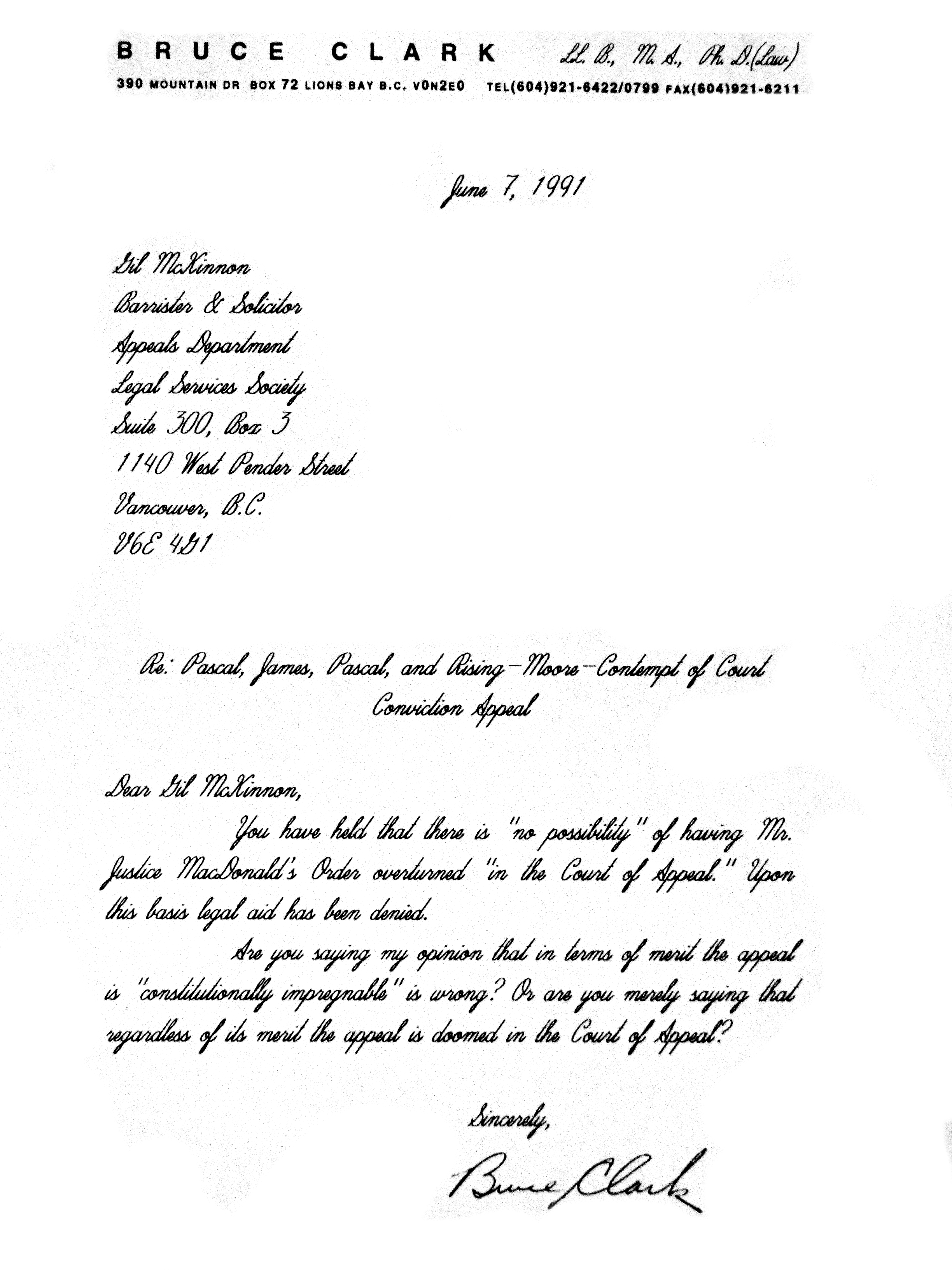
“The Fork in the Road,” Terri John, Lil’wat Peoples Movement, July 23 1991
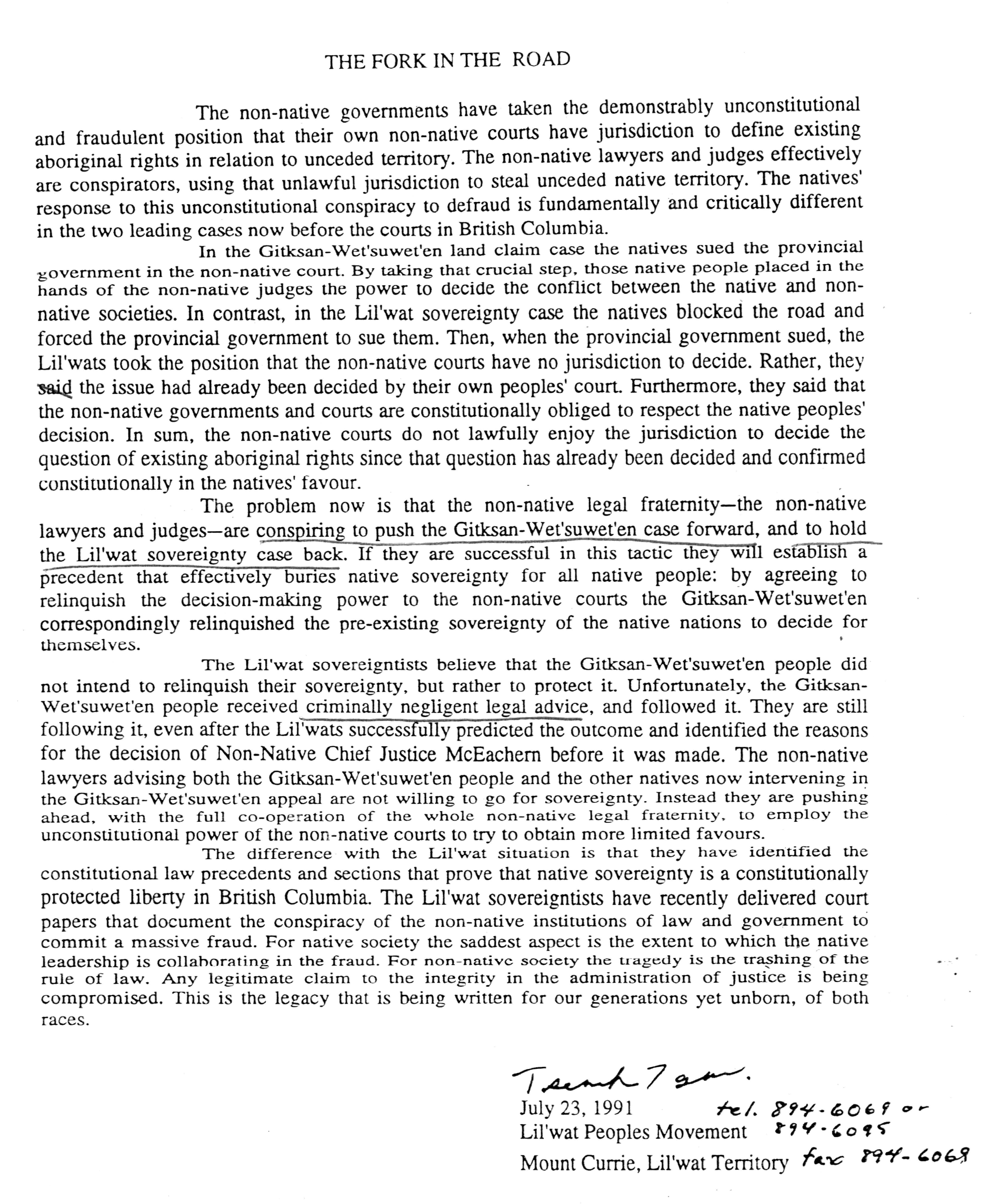

Lil’wat Peoples Movement – Booklet on background of sovereignty movement, 1991
“The Lil’wats: community, roadblocks, history.
“Indian sovereignty, and why the Gitksan-Wet’suwet’en ruling does not apply
“The sacred burial ground and road construction…
Notice of Motion. BC Court of Appeal. July 1 1991, “Interfor v Pascal.“
Harold Pascal, for himself and other Lil’watmc, proposes the court should consider how BC court Justices of Appeal, Supreme Court Justices, Provincial Court Judges, legal counsel, a Minister of the Crown, and R.C.M.P. officers “….are in criminal contempt of court of participating in a racist conspiracy to suborn the courts into forsaking the rule of law by abusing the court process in order unconstitutionally and fraudulently to extort unceded territory: the non-native legal system is usurping jurisdiction so non-native society can convert the unceded territory, and in furtherance of this fraud the pretence is that the preliminary jurisdictional issue can not be resolved on the pure law basis of the courts’ constitutive instruments, the constitutional precedents, the constitutional legislation and the natural law of the constitution of Canada.”
British Columbia (Attorney General) v. Mount Currie Indian Band, (1991) 8 B.C.A.C. 126 (CA)
November 1, 1991
An appellant filed a notice of motion that contained an allegation of criminal contempt of court against the Province of British Columbia. The Province moved to strike out the allegation.
The British Columbia Court of Appeal struck out the impugned allegation.
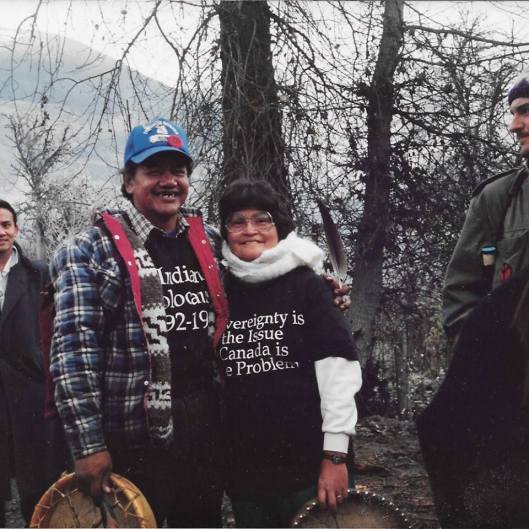
Harold Pascal (Chubb) and his wife Loretta at the Lillooet Lake Roadblock, winter 1991.
1992-94
DECLARATION
RE. ECOCIDE as GENOCIDE
1992
We, Ketl-leel-mecum, Terri John, Loretta Thomas, Peter Knighton, Ray Pierre, Marion Lee, Sandie Daniels, Henry Sauls and Tsemhu7qw, native persons inhabiting ancestral homelands of the Pacific North West beyond the treaty frontier, SOLEMNLY DECLARE AS FOLLOWS:
1. The ethno-biological continuity of life as our ancestors knew it is at the point of no return throughout the Pacific North West. The systematic alteration of the ecology in which our autochthonous cultures flourish correspondingly, inevitably and self-evidently entails the systematic destruction of the continuity of our human cultural identity—for the character of our human cultural identity is by definition dependent upon continuity of the bio-cultural identity of our forests.
2. Materialism and spiritualism are not opposing and antagonistic forces in our native culture. Rather, over the eons they have been reconciled in an equilibrium. ….
Struggle of the Líl’wat Nation
Líl’wat Nation’s Submission to the U.N. Working Group on Indigenous Populations in Geneva, Switzerland, 1992-94, to become part of our records.
“The Indian Acts of 1876 and 1880 were related directly to furthering the process of “civilization” and “assimilation”, while the elected Band Council was regarded as the means to destroy the last remains of the traditional political system. The reserve system in the Indian Act and work of the missionaries was thought to have dealt effectively with all other aspects of traditional Indian Values.
“Significantly, under the 1880 Act, the powers of Indian Agents were increased. The Chiefs’ influence decreased as traditional systems were suppressed. Traditional governments were replaced by elections administered by the Agents. Powers vested in the Minister were delegated to Agents in the field to enhance their authority. Also, an 1882 amendment gave Indian Agents Police Magistrate powers in carrying out provisions of the Indian Act.”
~
“INDIAN RESERVE COMMISSION, 1875 – 1910
“In 1875 an Indian Reserve Commission was set up by the Province of British Columbia and the Federal Government to review the reserve situation in areas with them and allot reserves in areas with none. Indian Reserve Commissioner, Peter O’Reilly, visited Lillooet River Valley in September, 1881. He went to Líl’wat and met with Chief James Stager and “almost the whole of his tribe.” O’Reilly recommended a large reserve of 9,000 acres be set up at Pemberton Meadows:
“I cannot consider the question of reserves for the Indians settled, as I hope…the whole of the valley will be assigned them: and I cannot too strongly impress upon the Government the necessity of moving the Local Government (Province) to act promptly in this manner. …”
1993
John Williams, Lil’wat, in “All That’s Left Is Struggle” 1993

1995
Paving Lillooet Lake Road – Lil’watmc block work by convoy. Whistler Pique, 1995

 The West Wasn't Won